Car Mods That Actually Make Your Car Slower (or Worse)
by AutoExpert | 12 June, 2025
Car enthusiasts love tinkering with their rides, convinced that the next modification will unlock hidden performance. But here's the reality check: some of the most popular mods actually make cars slower, less efficient, and more problematic.
Cheap Cold Air Intakes Are Money Wasters
Those flashy cone filters from online marketplaces might look impressive under the hood, but they often deliver the opposite of what drivers expect. When MotorTrend tested a short-ram intake on an Infiniti G37, the car actually lost nearly 15 horsepower compared to the factory airbox.

The problem? These budget intakes create chaotic airflow that confuses the mass airflow sensor, causing the engine computer to dump too much fuel into the mix. Many also suck in hot air from the engine bay instead of cooler outside air, making combustion less efficient. Without proper tuning and heat shielding, drivers end up with more noise but less power.
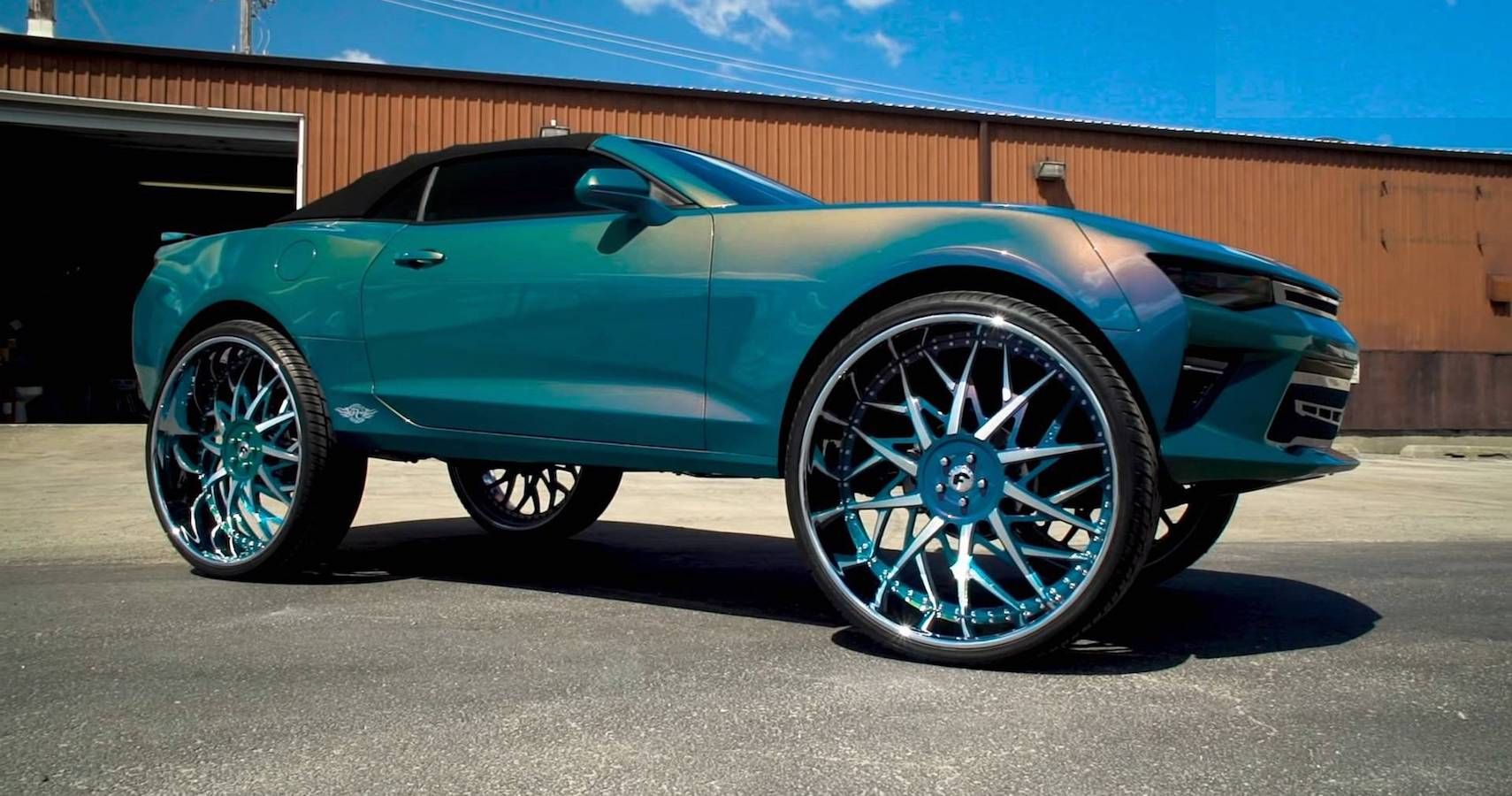
Bigger Wheels Equal Bigger Problems
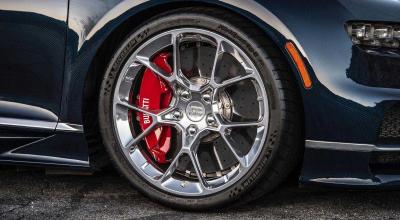
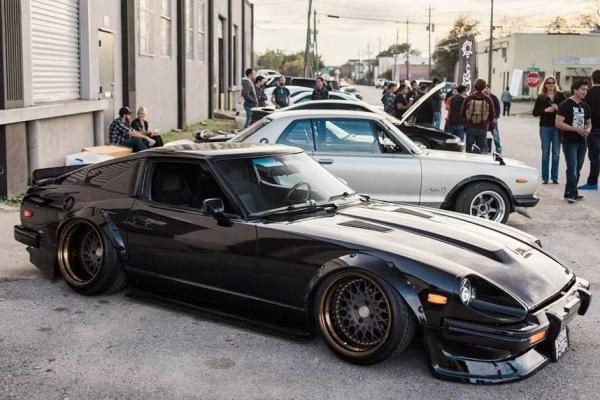
Oversized wheels might photograph well, but they're performance killers. Car and Driver's testing showed that increasing wheel size by just 3 inches resulted in 4% slower acceleration and 10% worse fuel economy.
Large wheels add rotational weight that the engine has to work harder to spin. They also increase unsprung weight, which hurts suspension performance and extends braking distances. Plus, low-profile tires are expensive and turn every pothole into a potential disaster.
Rolling Coal Wastes Power
Diesel trucks belching black smoke might look tough, but they're literally burning power. Diesel expert Gale Banks explains that visible smoke represents unburned fuel - wasted energy that could be making torque instead of soot.
These overly rich tunes don't just waste fuel; they contaminate engine oil, clog emissions equipment, and coat intake components with carbon buildup. Modern diesels can make massive power without the theatrical smoke show.

Wings Don't Work at Street Speeds
That massive rear wing might scream "race car," but it's basically useless unless someone's driving over 100 mph on a track. Most aftermarket wings create more drag than downforce at normal speeds, disrupting the airflow that engineers spent years perfecting.
Instead of adding a trunk-mounted picnic table, money spent on quality tires, proper alignment, and suspension tuning delivers actual performance gains.

Blow-Off Valves Can Backfire
The distinctive "pssh" sound of a blow-off valve might suggest serious power, but it often hurts drivability. Cars with mass airflow sensors can stumble and hesitate when air that's already been measured gets vented to atmosphere instead of recirculated.
These valves also dump all boost pressure during shifts, forcing the turbo to rebuild pressure from zero every time. The result? More lag, less response, and potential check engine lights.

The bottom line? Not every modification that looks or sounds fast actually makes a car faster. Sometimes the best upgrade is leaving well enough alone.