
Car Design Fails: 10 of the Most Head-Scratching Decisions
by AutoExpert | 10 September, 2025
Car designers are smart people, but sometimes they come up with ideas that make you wonder if anyone actually tested them in the real world. Here are some of the most head-scratching design decisions that somehow made it past the boardroom and onto dealer lots.
Nissan Xterra's Impossible Sunroof
Someone at Nissan thought it would be brilliant to put a sunroof and roof rack on the same vehicle. Sounds great until you realize you can't actually open the sunroof because the roof rack is in the way. It's like installing a swimming pool with a concrete cover – technically impressive, completely useless.

Hyundai Veloster's Rain Dump Hatch
The Veloster was supposed to be this cool, quirky sports car for young buyers. But whoever designed the rear hatch clearly never lived somewhere with weather. Open it when it's wet, and all that collected rainwater dumps straight onto whoever's sitting in the back seat. Bonus points for the hatch also bonking tall passengers in the head when closing.

GM's Diesel Disaster
Back in the late '70s, General Motors decided to jump into the diesel game by basically converting their gas engines to run on diesel fuel. Sounds simple enough, except they half-assed the engineering. The result? Engines that drove great for about 30,000 miles before turning into expensive paperweights. This fiasco set back diesel cars in America for decades.
Cadillac's Cylinder Deactivation Nightmare
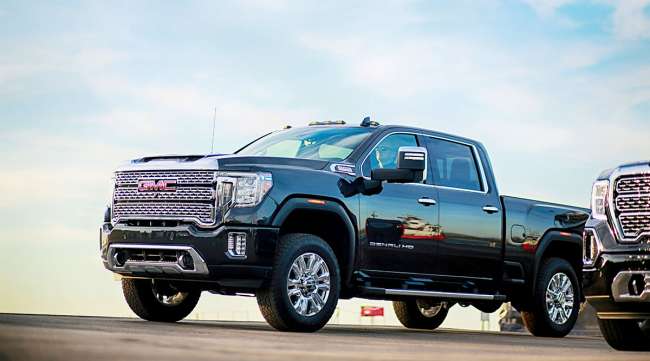
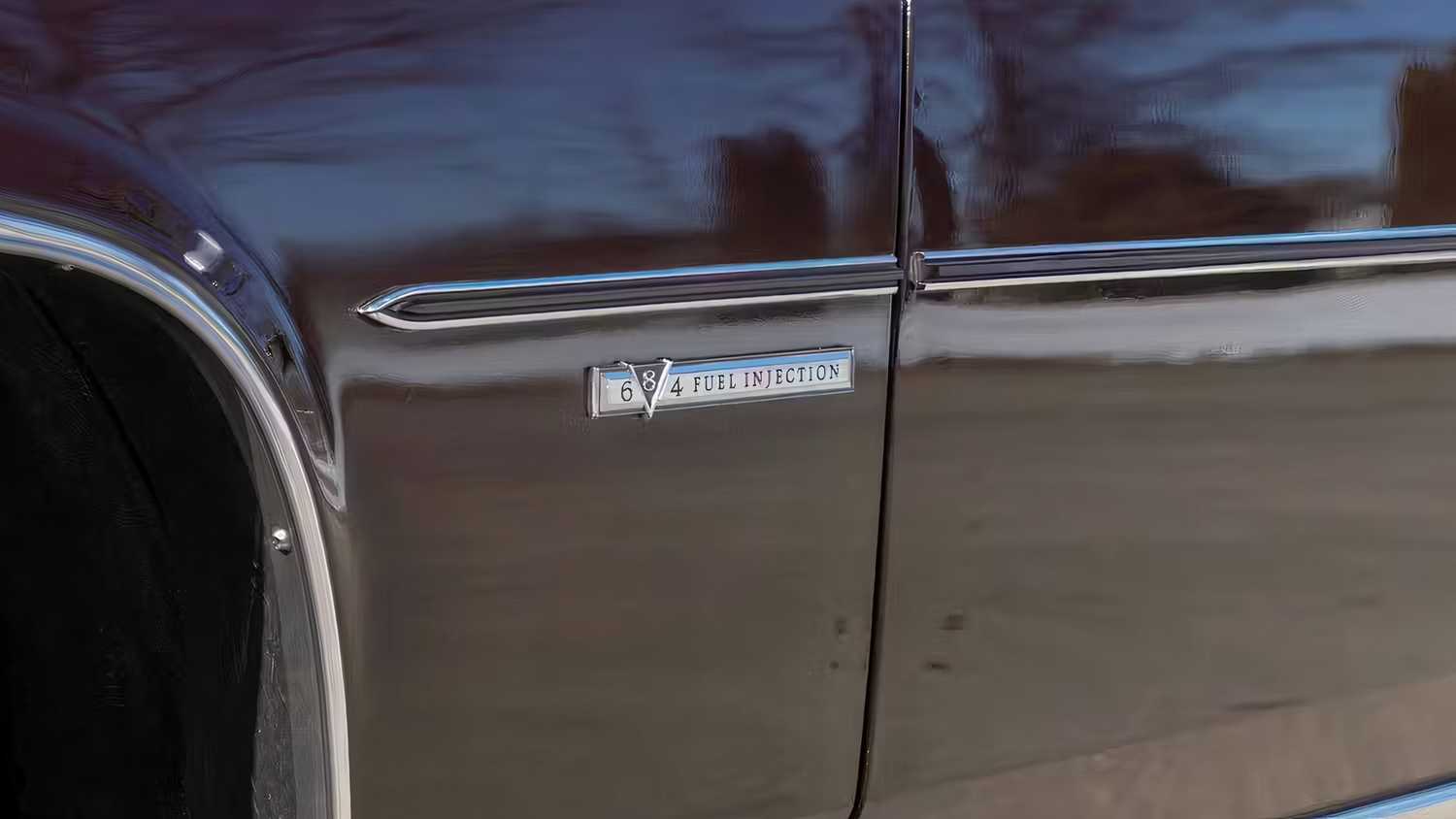
The V8-6-4 engine was Cadillac's answer to the fuel crisis – an engine that could shut off cylinders to save gas. Great idea, terrible execution. The 1980s computer technology just couldn't handle it reliably, so drivers got all the complexity of a high-tech system with none of the benefits.
The Pinto and Vega Double Feature
These two cars are like the poster children for "seemed good on paper." The Pinto was actually a decent little car except for that whole exploding gas tank issue. The Vega looked promising but fell apart faster than a cardboard house in a hurricane. Both became cautionary tales about cutting corners.

Pontiac Solstice's Homeless Roof Panel
The Solstice coupe came with a removable roof panel, which sounds cool until you realize there was literally nowhere to put it. No storage compartment, no mounting system, nothing. Owners could either leave it at home, leave it on the car permanently, or just abandon it somewhere and hope for the best. Most dealers couldn't even sell the coupes because of this ridiculous oversight.

The Great Cupholder Catastrophe
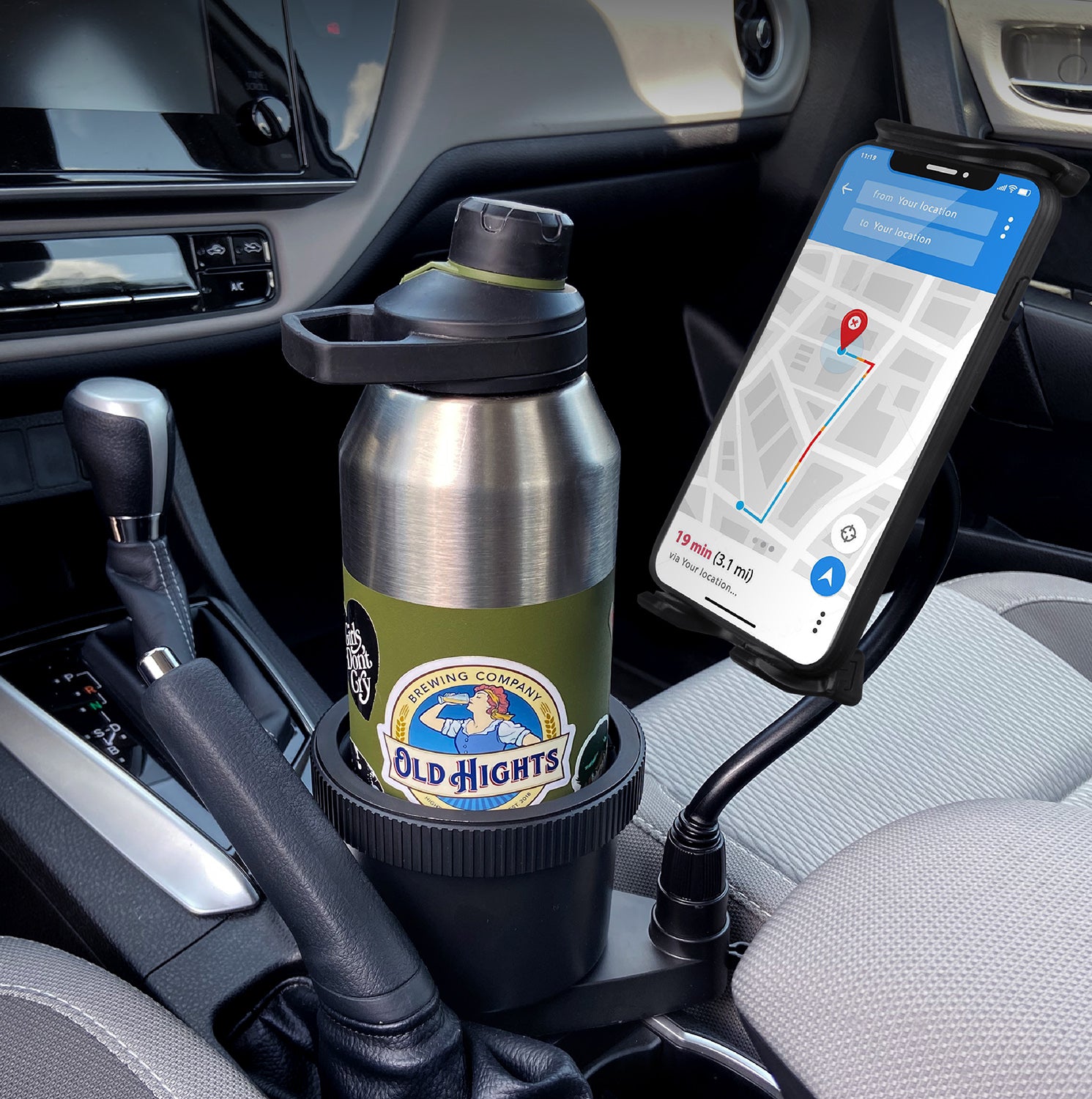
For something as basic as holding a drink, car companies have found every possible way to screw it up. Too small, too shallow, breaks the first week, launches your coffee across the dashboard, blocks the gear shifter – the list goes on. It's amazing how many engineers apparently never tried to drink anything while driving.
Mercedes' Biodegradable Wiring
In a misguided attempt to be environmentally friendly, Mercedes started using biodegradable plastic in their wiring harnesses during the '90s. Noble idea, except cars aren't exactly gentle environments. The wiring would literally decompose while people were driving, leading to electrical failures that cost thousands to fix.

"Lifetime" Fluids and Filters
Some genius marketing person decided that maintenance-free transmissions sounded like a great selling point. So they made transmissions with fluids and filters that supposedly never needed changing. Spoiler alert: everything needs maintenance eventually. These "lifetime" components would fail right around the time the warranty expired, leaving owners with massive repair bills.

Chrysler's Ultradrive Catastrophe
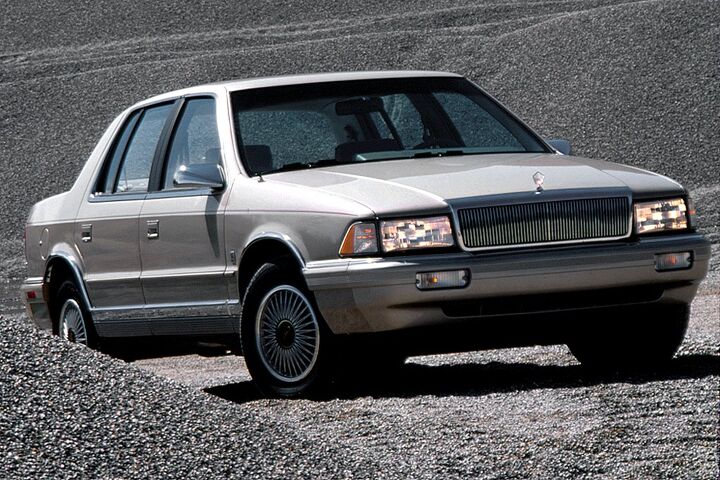
Chrysler's computer-controlled four-speed transmission was supposed to be the future of automatic transmissions. Instead, it became a mechanic's nightmare. The early versions had so many internal problems that even the service manual had wrong information about what fluids to use. The whole system was so unreliable that just mentioning "Ultradrive" at a repair shop would make grown mechanics weep.
These design fails prove that sometimes the simplest solutions are the best ones. When engineers try to reinvent the wheel, they occasionally end up with something that doesn't roll at all.