Car Deposit Scam: Why Your Friend's Facebook Deal is a Fake
by AutoExpert | 6 January, 2026
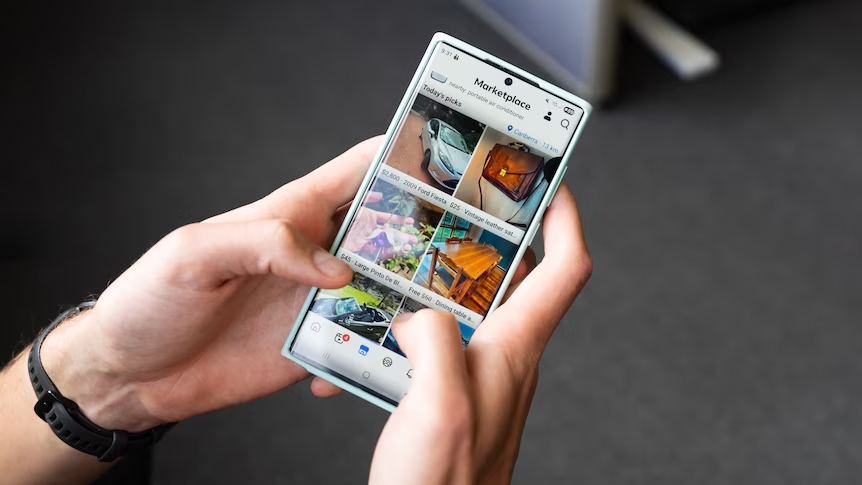
If you’ve been on Facebook lately and saw a post from a friend selling a car at a ridiculously low price, maybe something like a clean Toyota Camry for $3,000 or a Jeep Wrangler for $5K, don’t get too excited.
It’s probably not your friend posting it. And there’s no car.

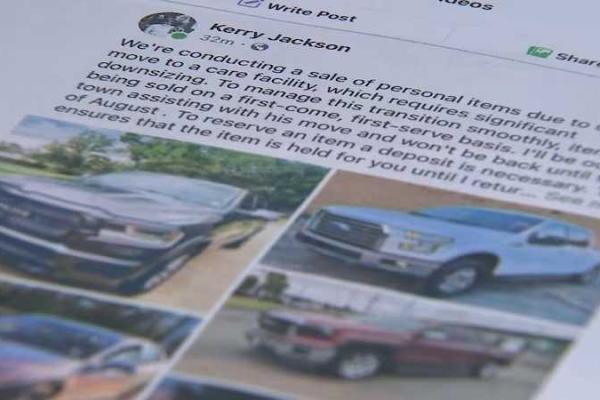
There’s a scam making the rounds (again), and it’s as sneaky as ever. Here’s how it works: Scammers take over real Facebook or Instagram accounts. Then they post emotional stories—usually about a sick relative, a move to assisted living, or some other personal crisis. The punchline? “We need to sell the car ASAP.”
And then come the deals that sound too good to be true. Because they are.
The vehicles look great. The prices are low but not suspiciously low. It feels believable—because it’s coming from someone you actually know. The only catch? You need to send a small, “refundable” deposit to reserve the car while they’re “out of town.”
Payments are requested through Zelle, Cash App, Apple Pay—methods that make it really easy to send money but nearly impossible to get it back.
Once the cash is sent, the seller vanishes. Because there was never a car. Just a hacker using your friend’s profile to reel people in.
What’s worse? Even after these scams are reported, the posts sometimes stay up for days—or longer. That gives scammers plenty of time to trick others. And it’s happening everywhere, not just in the U.S.
How to Spot It
A few clues to watch for:
A dramatic backstory + a long list of items for sale
Too-good-to-be-true prices
No phone calls—only DMs
A deposit request before seeing the car
If you’re ever unsure, don’t message the account. Text your friend, call them, or reach out through someone else you trust. And absolutely do not send money until you know for sure it’s legit.
Until Meta tightens things up, it’s on all of us to stay sharp—and to warn others.