Bring Back the Knob: The Case for Physical Controls in Cars
by AutoExpert | 20 February, 2025
Ever miss the dаys when adjusting your cаr's interior lights wаs just a simple twist of a knob? Me too. It seems like with every new car model, we lose another button, which gets swallowed up by the ever-expanding infotainment screen. Seriously, what's with the obsession of burying everything in menus?
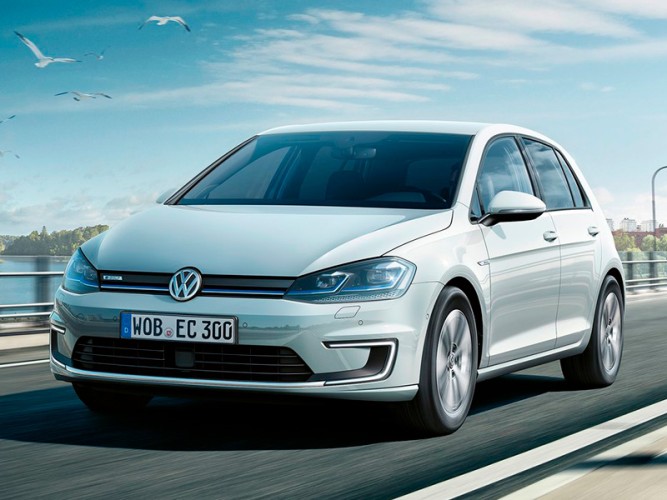
Take 2017 Volkswаgen GTI, for example. It has this nifty little knob right next to the headlight switch, and it's a lifesaver. Whether you're cruising through the well-lit streets of the city or out in the pitch-blаck countryside, you can dial in just the right amount of light without ever taking your eyes off the roаd.
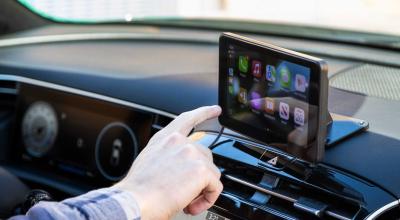
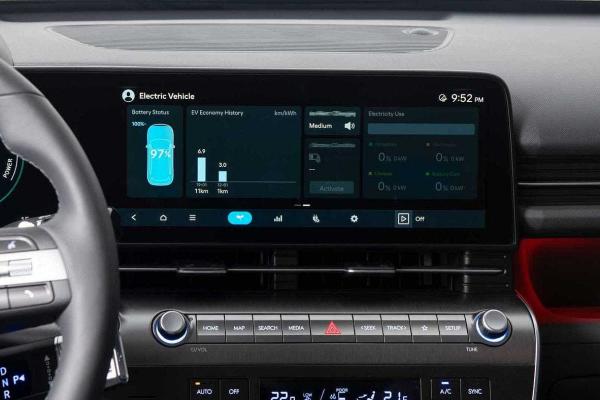
But this straightforward feature is becoming rarer by the minute. Nowadays, if you want to adjust your interior lighting, you might have to navigate through a maze of touchscreen menus. And let's be honest, that’s the last thing you want to do while driving at night. It's not just inconvenient; it can be downright dangerous.
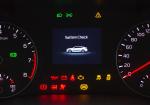
I get it, car designers are all about sleek, button-free dashboards these days. But when it comes to safety and ease of use, old-school physical controls have their perks. Ever try to lower your dashboard's brightness on a new car while keeping your eyes on the road? Good luck! Many cars now come with auto-dimming features, but often they just don't cut it, leaving everything too bright for comfort.

And don’t get me started on ambient lighting. In some of the latest models, like certain Mercedes, it feels like you're driving a nightclub on wheels. Even in my GTI, which has pretty cool, subtle red lights along the door panels, the controls for tweaking the brightness are buried in the infotainment system, separate from the straightforward rotary knob for the rest of the interior lighting.
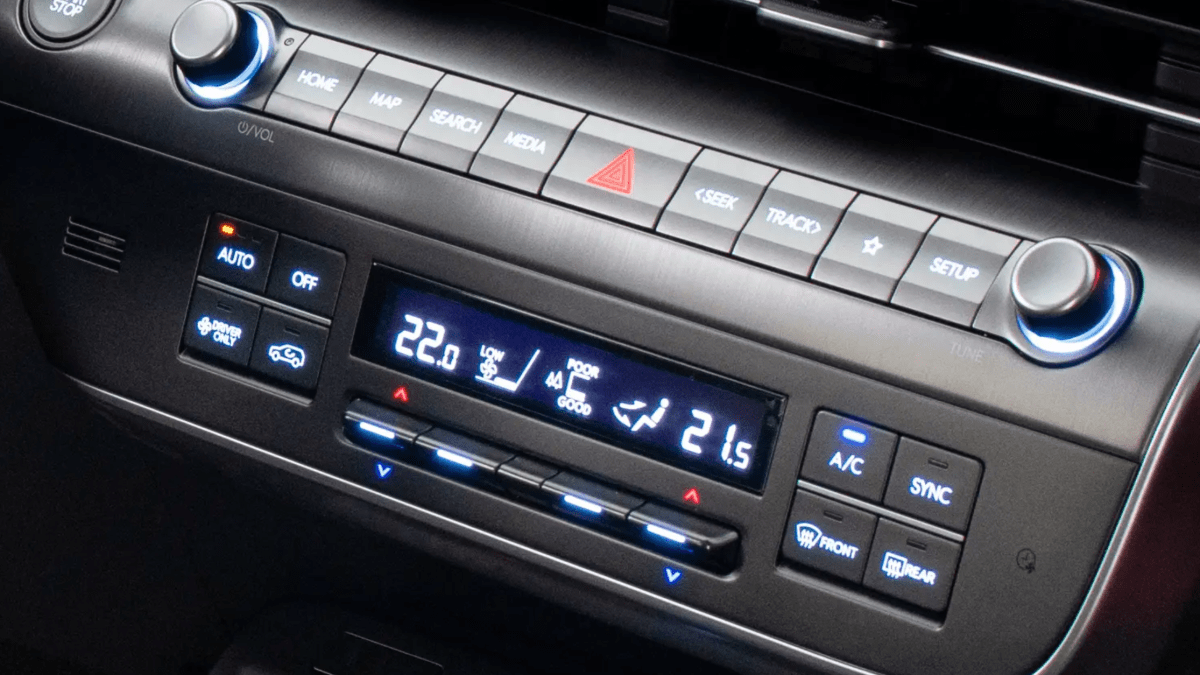
It's not just me being cranky—there's a real push from safety organizations to bring back simpler controls. The European New Car Assessment Program is even starting to mark down cars that ditch easy-to-use physical controls. Remember the Saab with its Night Panel button that helped reduce distractions by blacking out unnecessary dashboard info at night? Or BMW’s gentle red-orange backlighting designed to ease eye strain? These features showed that automakers could offer both innovative technology and user-friendly design.

Thankfully, some brands like GM still get it. They keep a dimmer for the interior lighting even though they've moved other controls to the touchscreen. And let me tell you, when you dial that down to the lowest setting, it’s just the right amount of light for night driving.

So here’s hoping more carmakers realize that sometimes, older ways are better. Not everything needs to be digital, especially when it comes to the basics like controlling the light inside your car. Because really, when you’re driving at night, the last thing you need is to be blinded by your own dashboard.