Boxer vs. Inline Engines: What Sets Them Apart?
by AutoExpert | 3 February, 2025
Hey car enthusiasts! Ever wonder why some folks swear by boxer engines over the more common inline ones? Let’s dive into this head-scratcher and find out why some brands, like Subaru and Porsche, buck the trend in a world obsessed with mass production and economy.
So, why aren't all engines created equal? It boils down to specialization versus standardization. While Toyota might crank out millions of vehicles with their trusty inline engines, brands like Ferrari keep it exclusive with just a handful of cars each year. It’s the classic trade-off between making something everyone can buy versus something special that stands out.

Now, the heart of the matter: What exactly is a boxer engine, and how does it differ from other flat engines? Picture this: in a boxer engine, each piston has its crank pin, which allows them to move independently, mirroring each other. This setup is different from a flat engine, where pairs of pistons share a crank pin, leading to a not-so-smooth ride. While it might sound like technical jargon, these differences really affect how your car feels on the road.
Why do we care about boxer engines? Well, they're the champs at reducing vibrations because of their mirrored piston movements, and they lay low, literally. This gives cars like the Porsche 911 a lower center of gravity, making them feel more stable and easier to handle, especially when you’re zipping around corners.
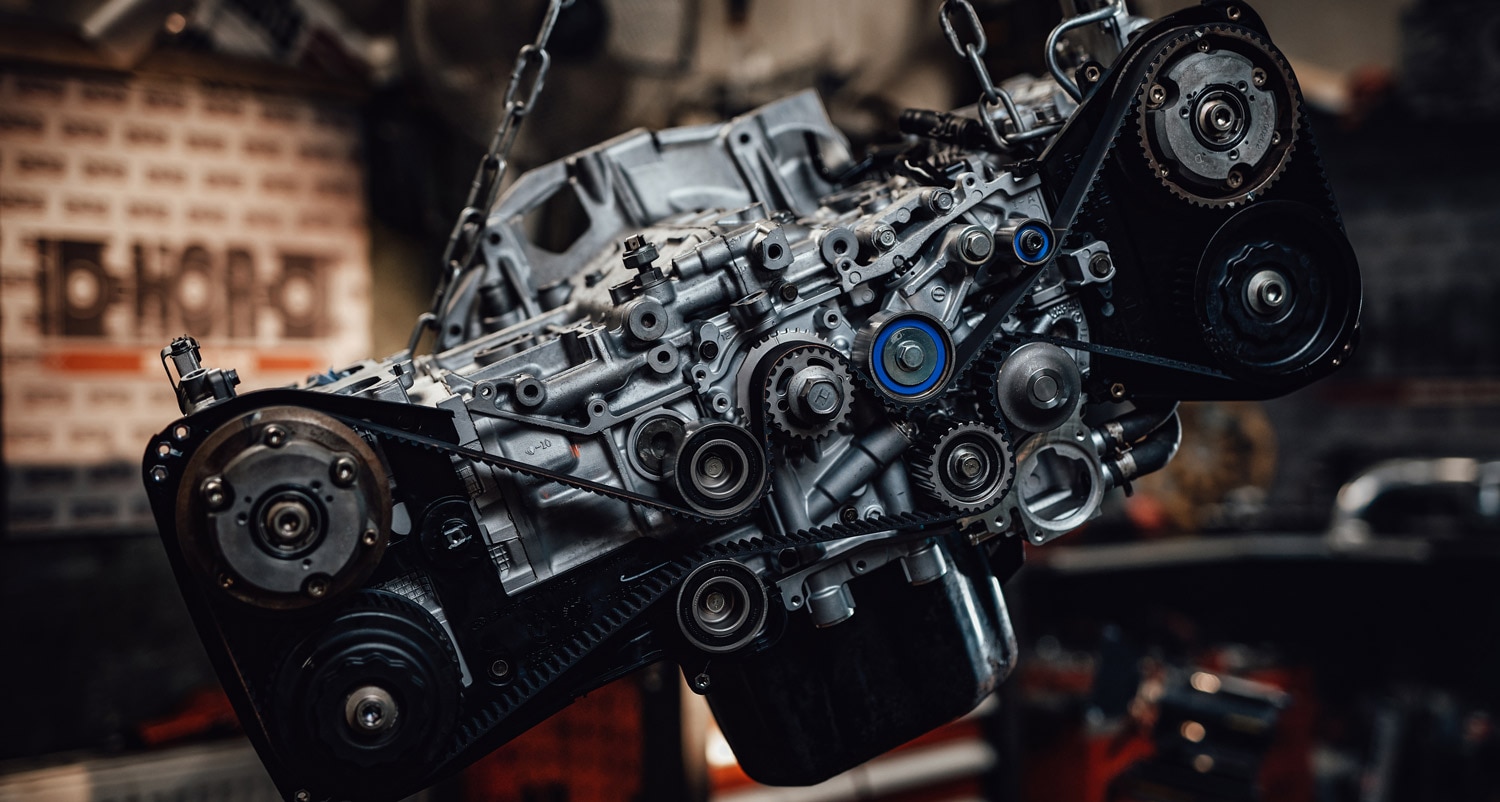
Sure, inline engines are great for keeping things simple and cost-effective. They’re compact, making them a perfect fit for smaller, front-wheel-drive cars. But when it comes to balance and handling, boxer engines have them beat, thanks to their unique design that helps with weight distribution and overall car dynamics.
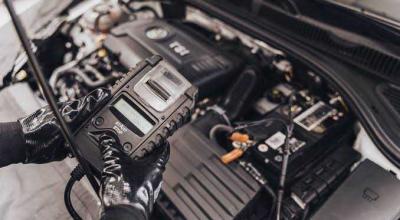
But it's not all sunshine and rainbows. Boxer engines can be a pain to service because of how they're placed in the car. Ever tried changing spark plugs in a Porsche 911? Not fun. They’re tucked in tight, making routine maintenance a bit of a hassle compared to the more accessible inline engines.
And here’s the kicker: Boxer engines are pricier to build and maintain. They need more parts, like extra head gaskets and catalytic converters, which can add up in costs.
So, which engine is better? If you're all about that smooth ride and sharp handling, and don’t mind the extra upkeep, a boxer might just be your speed. But for everyday driving, most folks might not notice the difference—except maybe in their wallets.
In the end, choosing a boxer over an inline engine is about what matters most to you in a ride. Is it the cost, the ease of maintenance, or that unbeatable driving feel? Whatever your pick, just remember, in the world of engines, just like in life, there's no free lunch!