BMW iDrive Explained: How This Game-Changing Tech Works
by AutoExpert | 17 March, 2025
As cars get smarter and screens get bigger, there's a real challenge in keeping all that tech from distracting you while driving. For nearly 25 years, BMW's answer to this problem has been iDrive—a control system that's become something of a gold standard in the automotive world.
In fact, iDrive has been so successful that competitors like Audi (with MMI) and Mercedes (with COMAND) have basically copied BMW's homework, along with plenty of other automakers trying to create similar systems.
The Birth of a Revolution
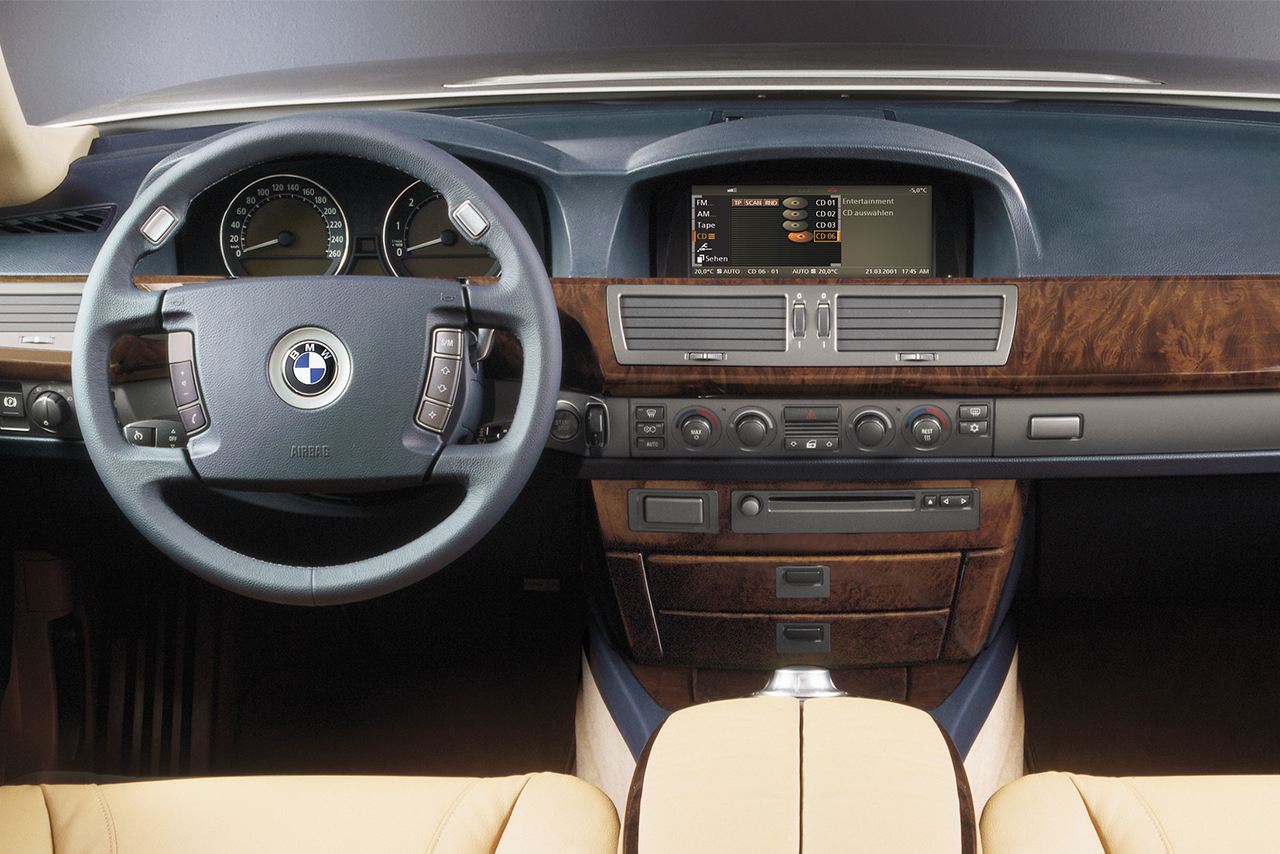
BMW first dropped iDrive on the world back in 2001 with the 7 Series luxury sedan. The concept was brilliantly simple: put all cabin controls in one place with a central dashboard screen showing navigation, audio, and phone settings, controlled by a rotary wheel next to the gear lever.
Was it perfect from day one? Not exactly. Early users found it a bit fiddly—that first controller could move in eight directions, be rotated, and pressed down, with some functions buried in multiple menus that had drivers taking their eyes off the road too often.
But BMW listened and learned. They added shortcut buttons for common functions and voice control as an alternative way to interact. After just a couple of iterations, iDrive quickly earned its reputation as one of the most intuitive systems out there, becoming among the least distracting ways to control a car's complex features.
How Does Modern iDrive Actually Work?
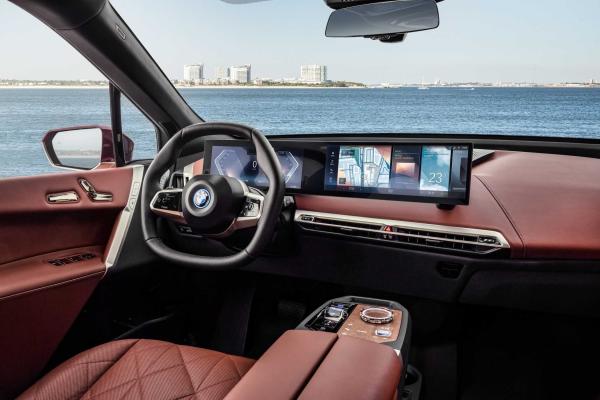
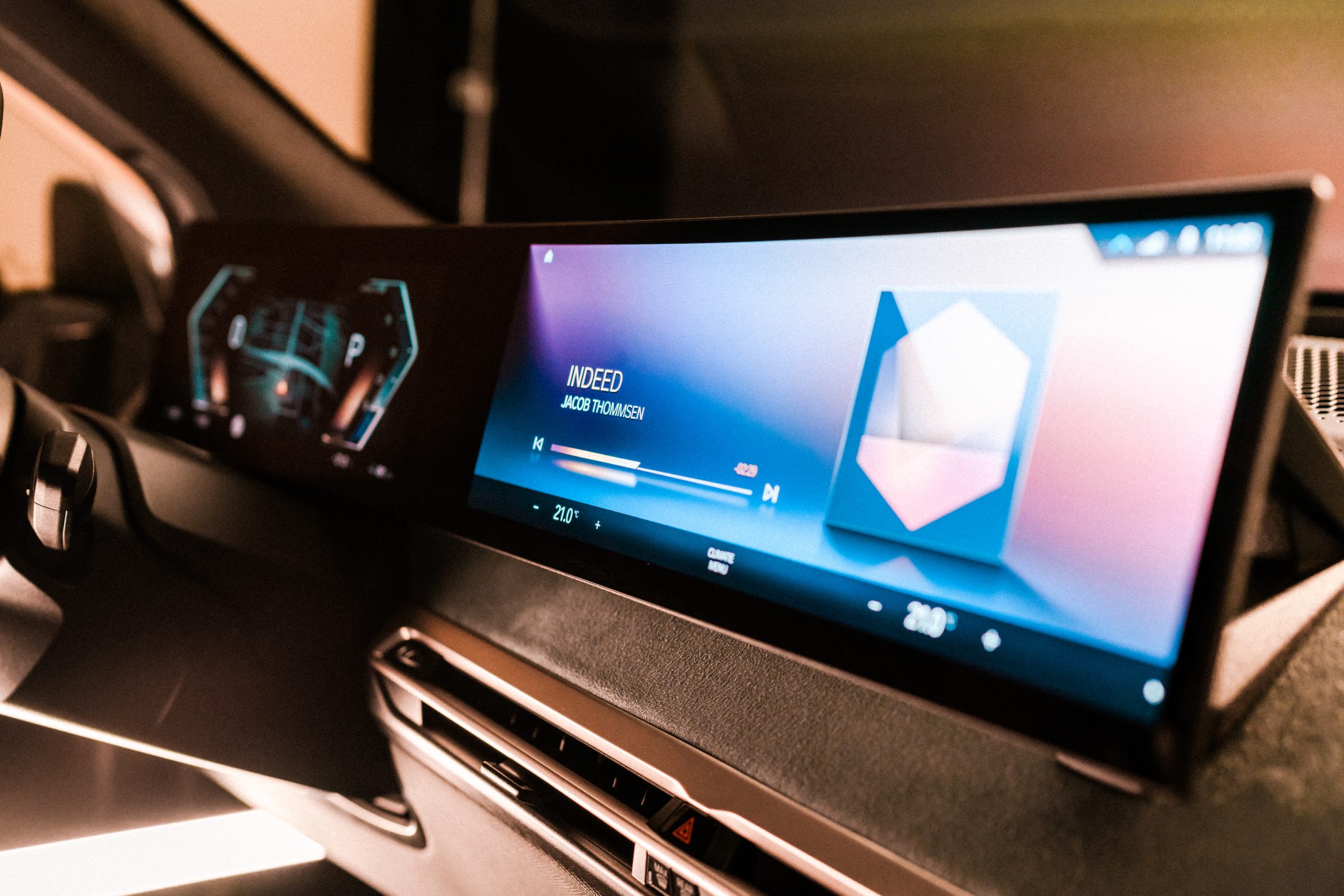
Fast forward to today, and BMW has just announced "Operating System X"—incredibly, the tenth generation of the technology. Most current BMW models run on either operating system 8.5 or 9, paired with those gorgeous curved display screens you've probably noticed in showrooms.
While touchscreen control has become much more prominent in recent versions, many models (particularly the core 3 Series, 5 Series, and 7 Series) still include that iconic rotary controller between the seats.
The modern controller is a bit simpler than those early versions—it can rotate in either direction, be nudged forward, backward, left, or right (thankfully, they got rid of those diagonal movements that made early systems confusing), and be pressed like a button to select options.
One neat trick: the top of the controller functions as a touchpad similar to a laptop, letting you draw characters with your finger. Though if you're driving a right-hand-drive car in the UK, this feature really tests how nimble your left-hand fingers are!
Around the controller, you'll find shortcut buttons that take you straight to commonly used functions like media, navigation, or the home screen. In the latest 8.5 and 9th generation systems, these aren't physical buttons anymore but use haptic technology. Some models still include a physical volume knob built into the console, which many drivers appreciate.
Beyond menu navigation, the rotary knob is surprisingly versatile—you can use it to zoom in and out on navigation maps, pan across the map using the directional controls, or switch between different views on models with 360-degree parking cameras.
The Touchscreen Takeover
Of course, there's also the touchscreen itself. While iDrive was originally created as an alternative to touchscreens, the modern approach combines both methods, letting drivers choose what works best for them. Many find the controller easier while driving (no need to reach or aim precisely), but when stopped, tapping the screen is often quicker—if you don't mind leaving fingerprints all over that beautiful display.
But here's the big news: the iconic rotary iDrive controller we've known for nearly a quarter-century is on its way out. Some models like the 1 Series and X1/X2 lines, plus MINI models that used to have iDrive derivatives, have already dropped it from their OS 9 layouts. BMW recently announced they're ditching the knob entirely in future cars.
When iDrive Goes Wrong
Like any tech, iDrive isn't immune to problems. Earlier versions sometimes struggled with blank screens, navigation glitches, and CD reading issues, usually related to connection problems between the car and the system. Newer models use different setups that are generally more reliable.
If you're out of warranty, BMW dealers typically charge quite a bit to replace an iDrive unit. There are independent shops claiming they can repair your system for less, but only go this route once your warranty has expired, and make sure to choose a recommended garage—preferably a BMW specialist.
New BMWs should be easier to fix if problems arise, and regular BMW services typically include software updates to keep all onboard systems running smoothly.

What's Next for iDrive?
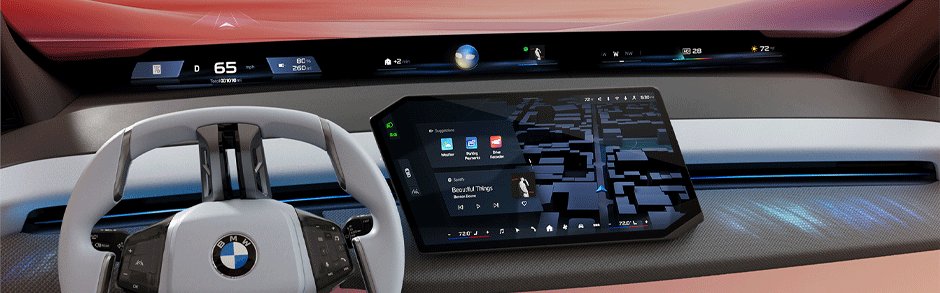
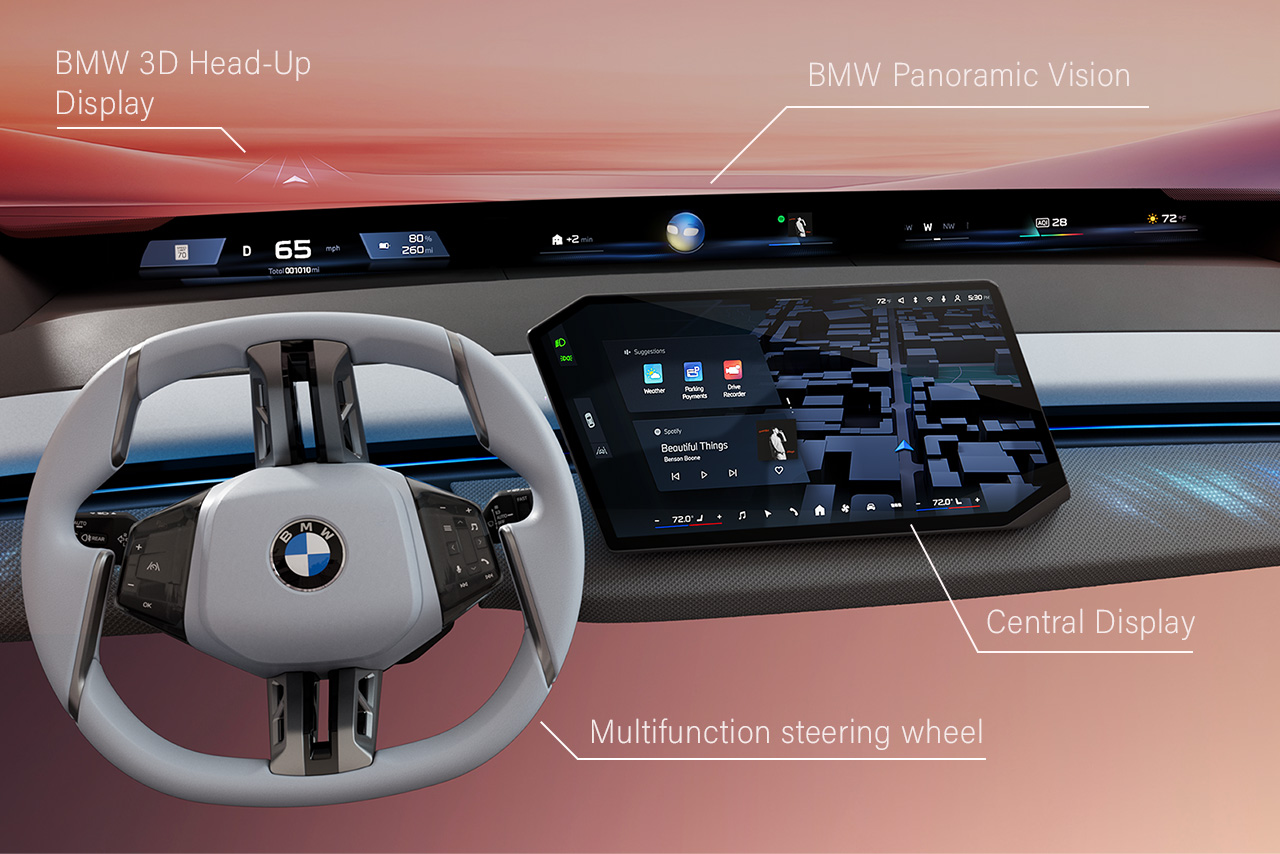
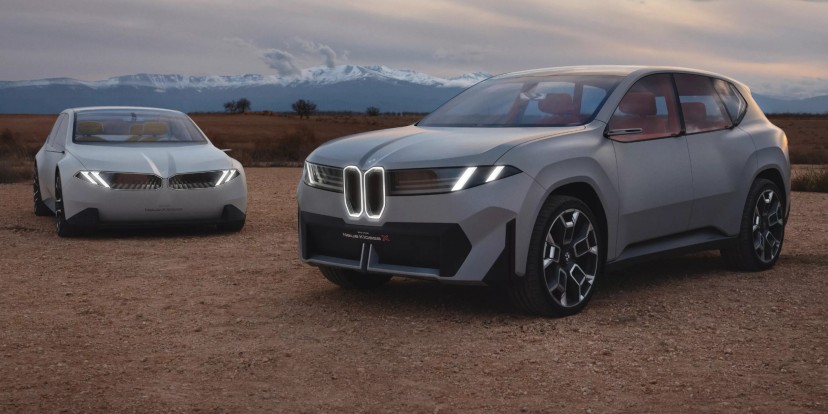
At the 2025 Consumer Electronics Show in Las Vegas, BMW unveiled Operating System X, the next generation that will feature in upcoming "Neue Klasse" vehicles—the ones that will eventually replace model lines like the 3 Series and X3.
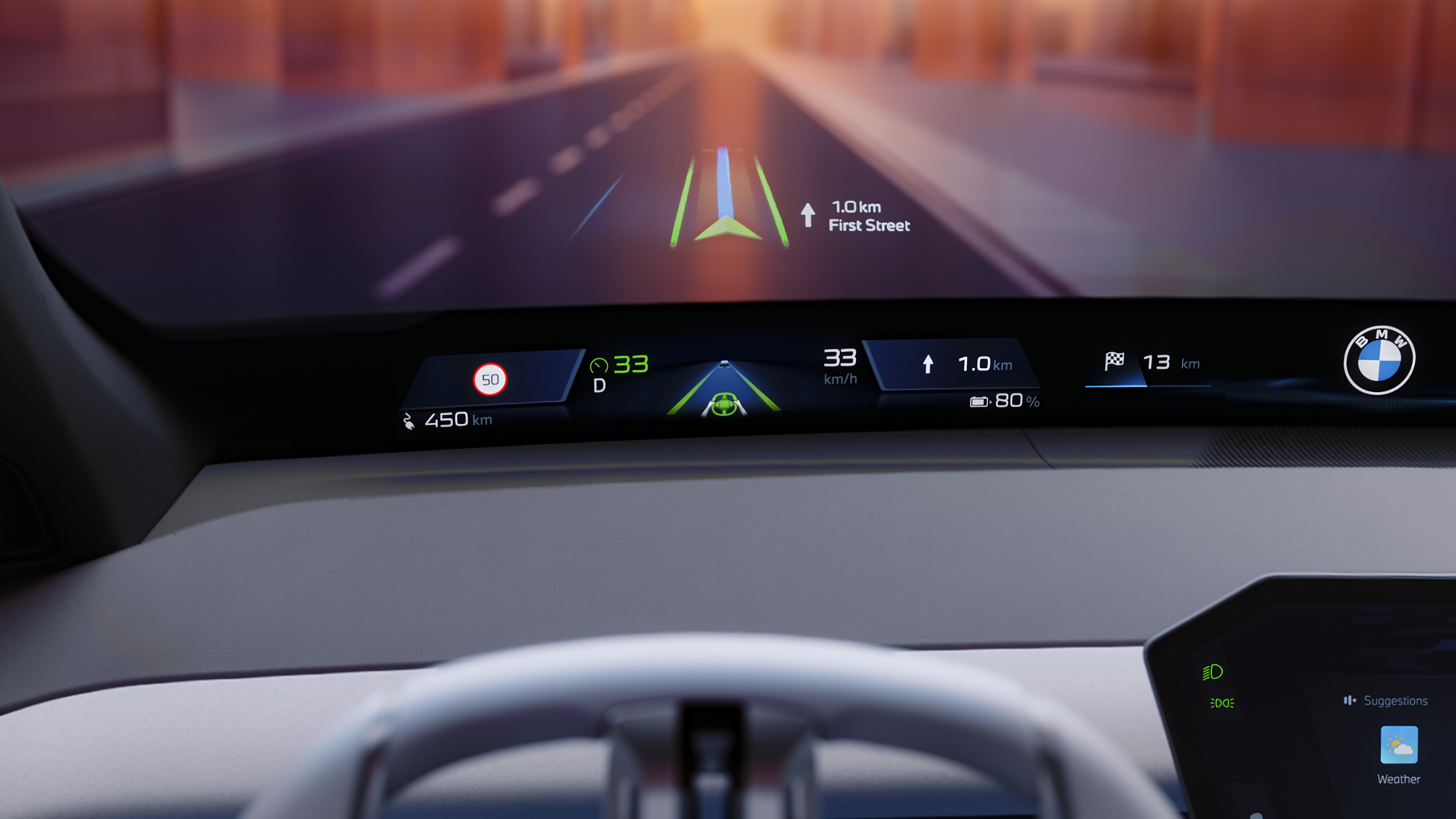
The technology demo showcased a panoramic screen (called Panoramic Vision) at the base of the windshield, along with a head-up display, personalized functions for both driver and passenger, and enhanced voice recognition.
But one thing was conspicuously absent: the rotary controller. It won't appear in future models, as BMW has found most customers now interact directly with the touchscreen. The increasingly online nature of BMWs, which often includes third-party apps not optimized for rotary control, has also influenced this decision.
Improved voice control is expected to fill the gap for drivers comfortable talking to their car, and as touchscreens have grown larger, selecting options has become somewhat easier even while driving.
That said, experienced BMW owners have become incredibly adept at operating common functions with the controller while barely glancing away from the road. Full touchscreen operation, even with the best systems, requires more visual attention than a purely tactile setup.
When the controller finally disappears completely, it might seem like a relic of the past—but it remains to be seen whether future BMW operating systems will be quite as intuitive to use on the move without it.