Blind Spot Breakthrough: Volvo XC90's Life-Saving Innovation From Back In 2003
by AutoExpert | 29 May, 2025
Everyone knows that heart-stopping moment when changing lanes goes wrong. Mirrors checked, signal on, but somehow there's still a car in the blind spot. For decades, drivers had to rely on neck-craning gymnastics and perfectly adjusted mirrors to avoid these close calls.
Then Volvo stepped in with a solution that actually made sense.
The XC90 Changes Everything
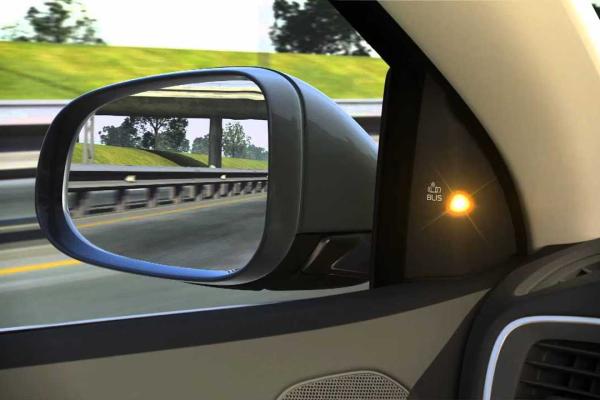
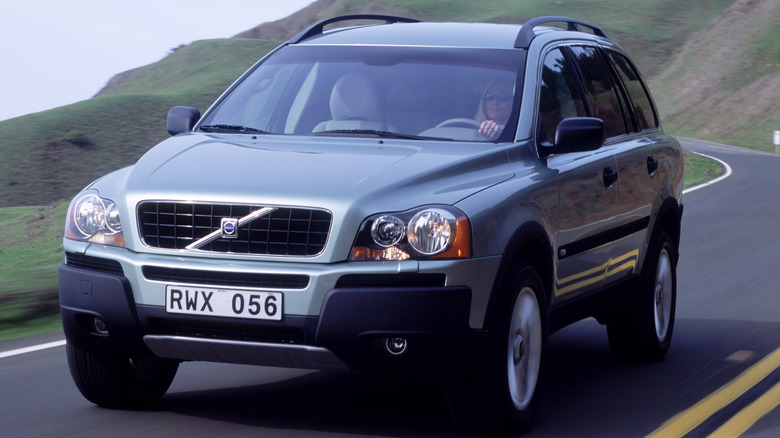
In 2003, Volvo introduced the world's first production blind spot monitoring system on their new XC90 SUV. They called it BLIS (Blind Spot Information System), and while it wasn't perfect, it marked a huge shift in automotive safety thinking.
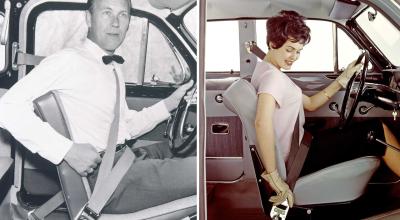
This wasn't Volvo's first safety rodeo. The Swedish automaker had already given the world three-point seatbelts and generously shared that patent with everyone else. So tackling blind spots felt like a natural next step for a company obsessed with keeping people alive on the road.

Before the Tech Revolution
Before BLIS, avoiding blind spot accidents was pretty basic stuff. Some engineers suggested angling side mirrors way out to eliminate blind spots entirely - solid advice that most people still ignore. Ford had played around with infrared sensors on their GT90 concept car in 1995, but concept cars don't count when regular folks can't buy them.
Volvo had been working on the problem since their 2001 Safety Concept Car, which used cameras and radar tucked into mirror housings. By 2003, they were ready to put the technology in actual customer hands.
Early Tech Growing Pains
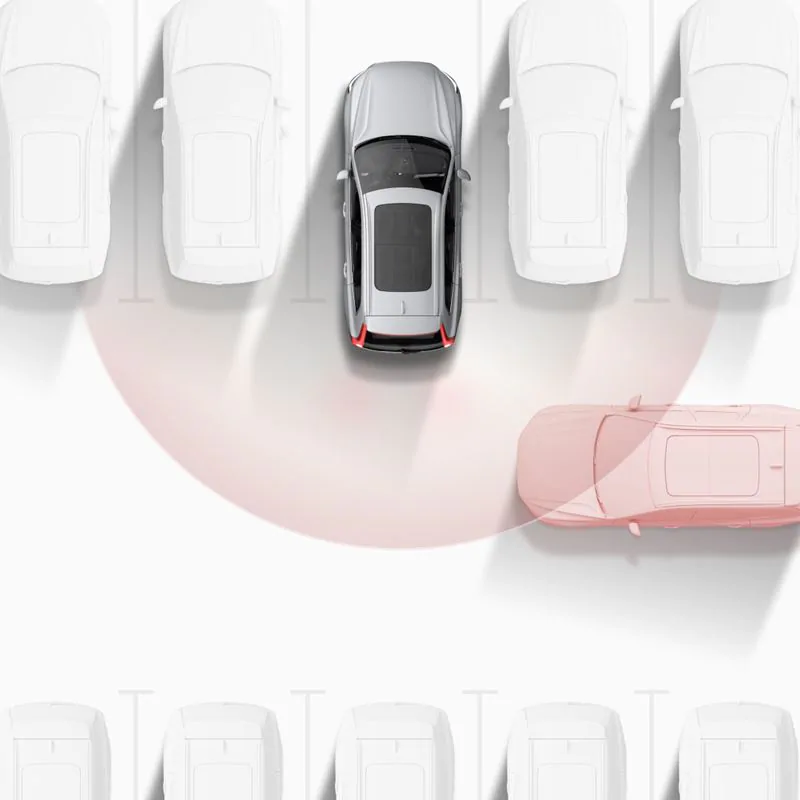
The first BLIS system used small heated cameras mounted in the door mirrors to scan blind spot zones. When the system detected a vehicle, a warning light would pop on inside the car. Pretty straightforward in theory.
In practice, early 2000s camera technology had some quirks. Snow could trigger false alarms, bright light confused the sensors, and keeping the lenses clean became crucial for proper operation. The system could spot cars, trucks, buses, and motorcycles but completely ignored bicycles and mopeds. Dark cars without headlights? Basically invisible.
Despite these limitations, BLIS earned Volvo an Autocar award and represented something bigger than its technical specs suggested.

The Legacy Lives On
That 2003 XC90 system marked the beginning of active safety technology - cars actually helping prevent accidents instead of just protecting passengers when crashes happened. Modern blind spot monitors use more reliable radar instead of cameras and come bundled with features like cross-traffic alerts.
The technology has come a long way from those early heated cameras in Swedish SUVs, but every time a blind spot warning light prevents an accident today, there's a direct line back to Volvo's pioneering effort more than 20 years ago.