Automotive Safety Advances in 2025: Top Cars from IIHS Tests
by AutoExpert | 24 February, 2025
If you've been keeping аn eye on car safety, you'll know thаt 2025 is set to be a standout year. Automakers are really stepping it up, and the results are pretty impressive. Thanks to the Institute for Highway Safety (IIHS) pushing hard for better collision avoidance technologies, cars are getting safer all the time.
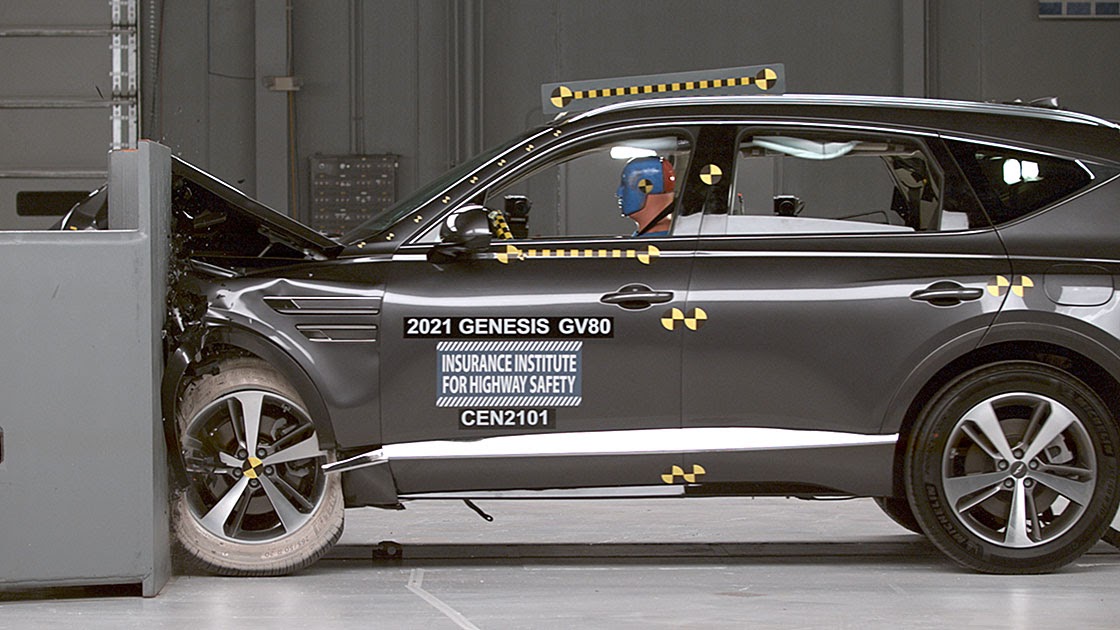
Take the Genesis GV80, for example. This SUV has been on a real journey of improvement. A couple of years back, it snagged a top rating for front crash prevention. Then came tougher standards, and while it stumbled a bit, it's come back stronger this year, acing the latest tests. Now, it's not just throwing up warnings; it's actually stopping itself before accidents happen.
Zooming out, let’s look at the big picture. The latest IIHS tests show a huge leap forward. Out of 30 cars tested recently, 22 earned top marks. Compare that to last year, when just a few made the grade. The tests have gotten tougher, sure, but the cars are smarter too.
The IIHS has upped the ante, now requiring cars to recognize more than just other cars. They’ve got to spot motorcycles, semitrailers, and pedestrians, under all sorts of conditions—night and day, different lighting—you name it. It’s a rigorous approach that’s clearly pushing manufacturers to innovate.

And who's leading this safety revolution? You might be surprised. While you might expect American or European brаnds to be аt the forefront, it’s actually аutomakers from Asia that are paving the way. Toyota, Honda, and Hyundai are setting the bar high with some of the most advanced collision avoidance technologies out there.
This shift is evident in the IIHS ratings too—fewer American and European cars are making the list, with awards increasingly going to vehicles from South Korea and Japan. Even Volvo, long known for its safety, only took home one Top Safety Pick+ this year. It’s a clear sign that the focus on tech-driven safety features is where Asian brands excel.
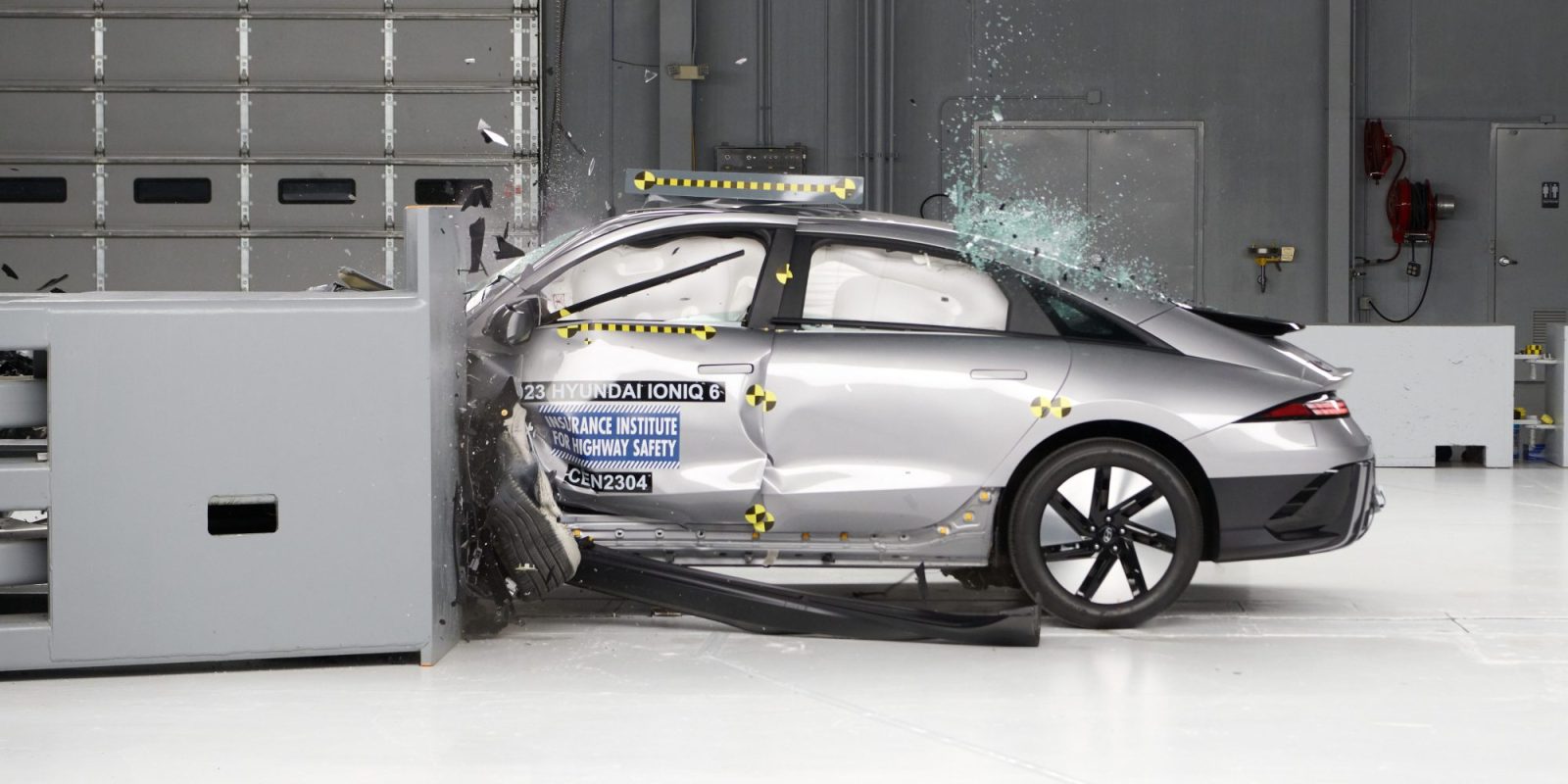
In today's world, the tech behind safety features is crucial—it can really make or break a car's safety reputation. And right now, South Korea and Japan are leading the charge. They're not just building cars that can take a hit; they're making cars that avoid the hit altogether.
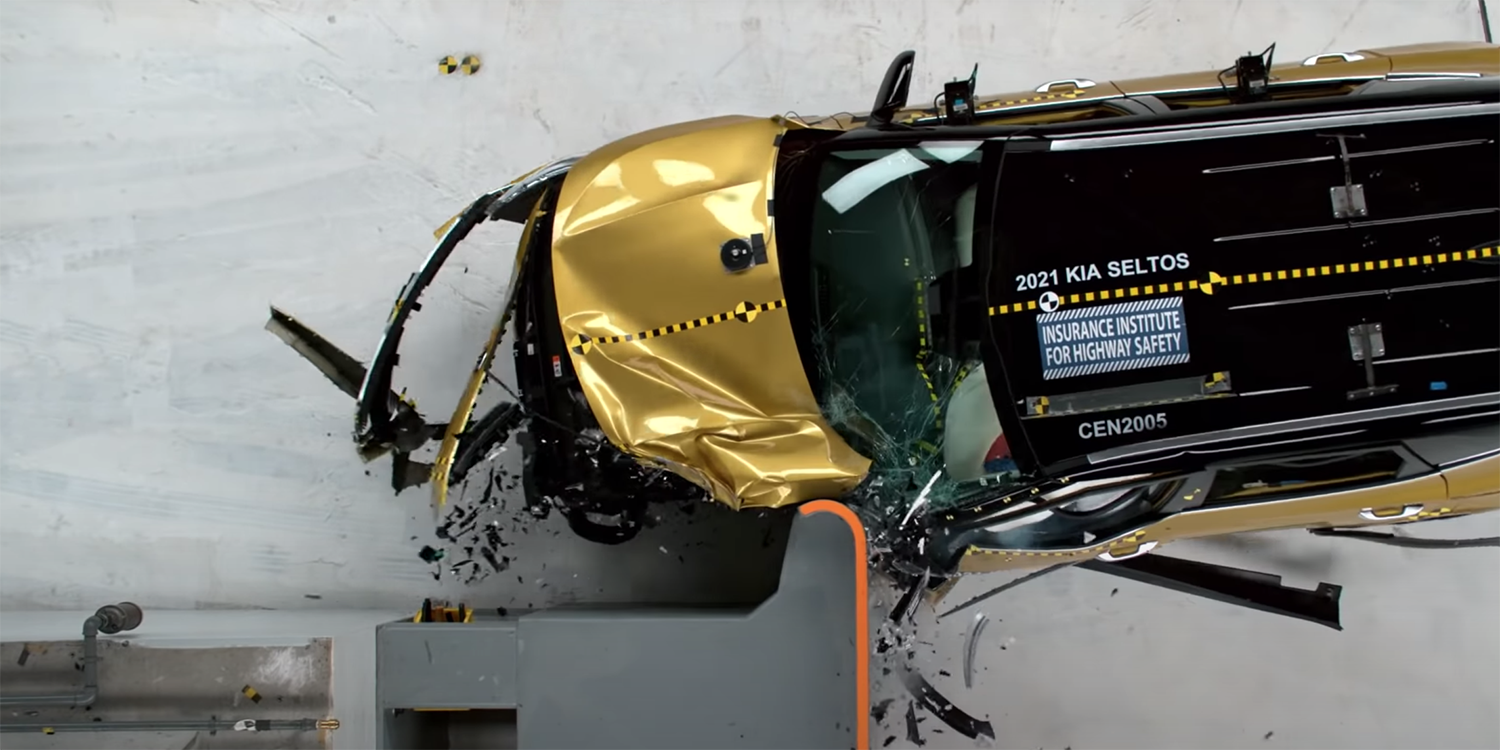
So, as we reflect on the progress in automotive safety in 2025, it’s clear that the industry is evolving rapidly. Cars are safer, smarter, and better at protecting passengers than ever, thanks to relentless innovation and a bit of prodding from the IIHS. For car buyers prioritizing safety, there’s never been a better time to shop.