Air Suspension: The Ultimate Luxury or an Expensive Gimmick?
by AutoExpert | 17 March, 2025
Let's be honest - roads are absolutely shocking these days. Potholes that could swallow a small car, patchy repairs that feel like driving over a washboard, and don't even get me started on those spine-jarring expansion joints. No wonder so many of us have daydreamed about floating over it all on a magic carpet.
Well, that's basically what air suspension promises. It's that fancy feature in posh cars that makes it feel like you're gliding rather than driving. And no, it's not like bouncing around on a cheap air mattress - modern systems somehow manage to deliver that cloud-like comfort while still letting you take corners without feeling like you're on a boat.
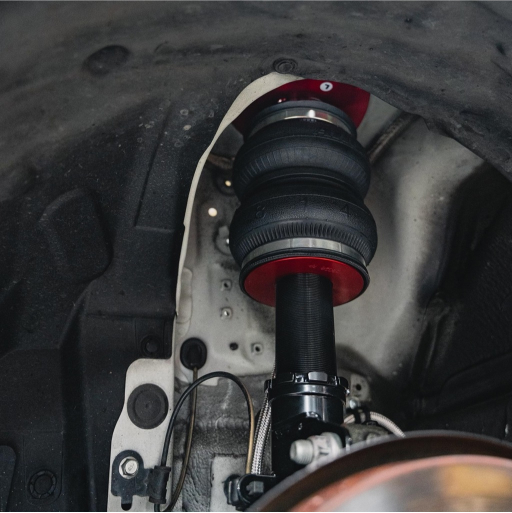
Sounds too good to be true? Maybe. Let's dig into what this stuff actually is, whether it lives up to the hype, and if it's worth selling a kidney to repair when it eventually goes wrong.
So What's the Big Deal?
Instead of those metal coil springs most cars have, air suspension uses... well, air. Specifically, pressurized air chambers that compress when you hit bumps. The cool thing about air is that it can soak up all sorts of different bumps better than metal - from tiny ripples to bone-crushing potholes.
This tech has actually been around forever - since the early 1900s - and buses, trucks and trains have used it for ages. Luxury cars got in on the action back in the 1950s, and these days it's what you'll find in pretty much any car with a six-figure price tag. Modern systems let you fiddle with settings too, so you can adjust how soft or firm it feels, how high the car sits, and more.
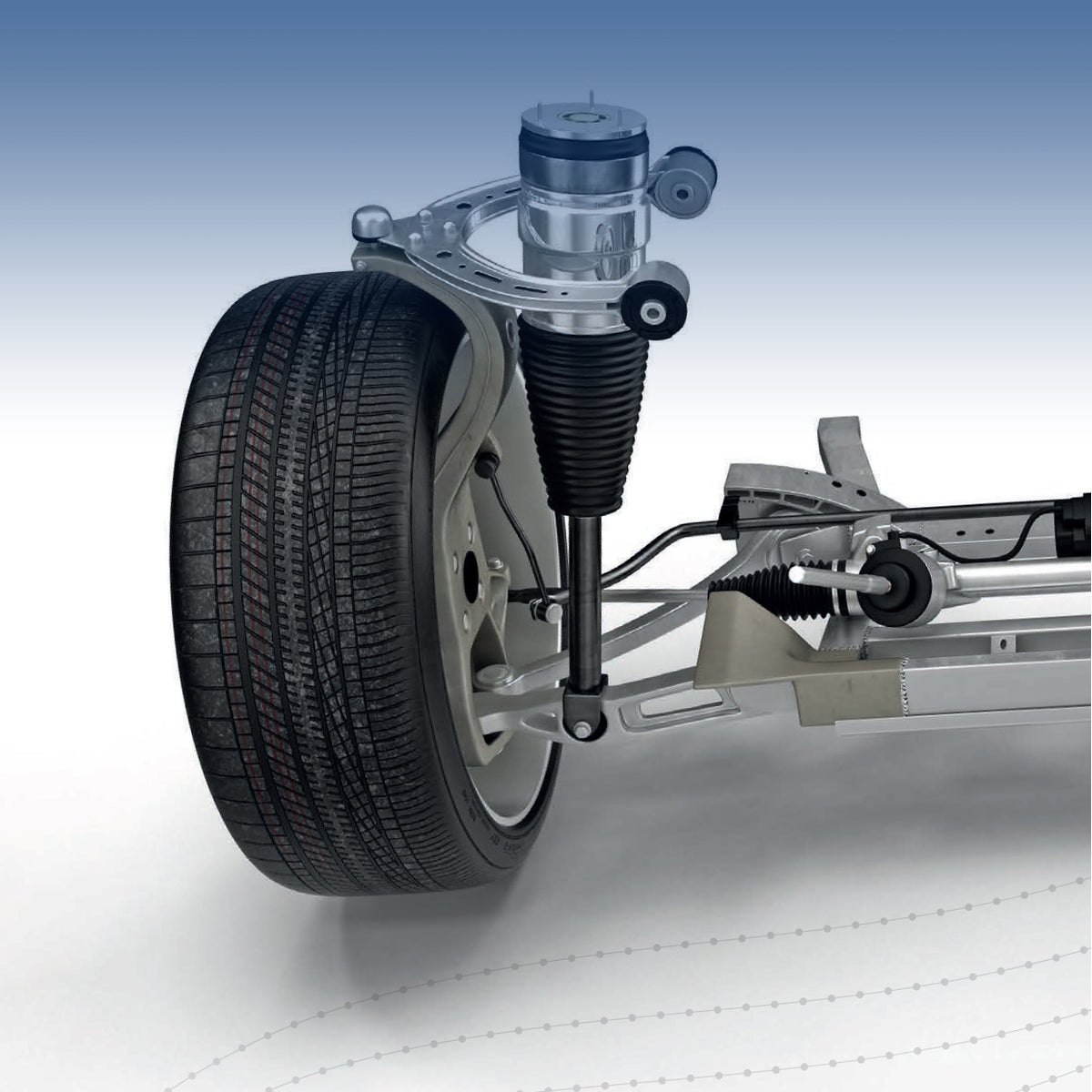
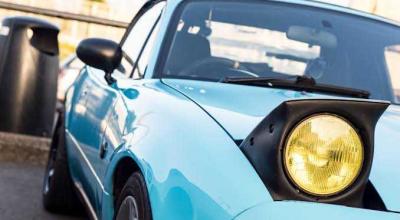
If you're into the modified car scene, you've definitely seen those show cars that can drop so low they practically scrape their door handles on the tarmac. That's extreme air suspension - letting owners slam their pride and joy to the ground when parked, then raise it up to actually drive home without leaving half their exhaust behind.
How Does It Actually Work Then?
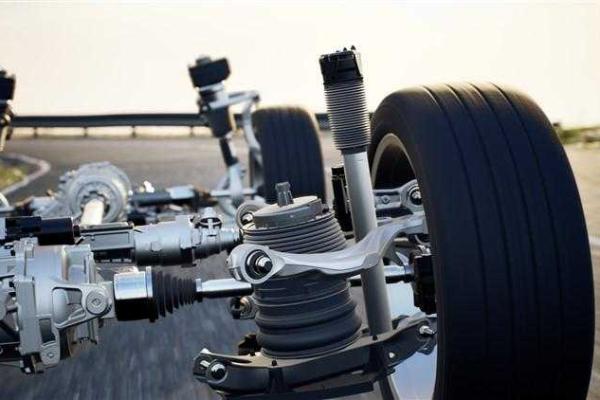
At its most basic, we're talking about four "air bags" - one at each wheel, replacing those metal springs and shock absorbers. When you hit a bump, the air compresses and pushes back, smoothing out the ride.
But there's usually a lot more to it. Most systems have air tanks hidden away somewhere, connected to each corner by a network of hoses and fancy valves that control air flow. All this is managed electronically, talking to the car's brain (or several of them) to make constant adjustments.
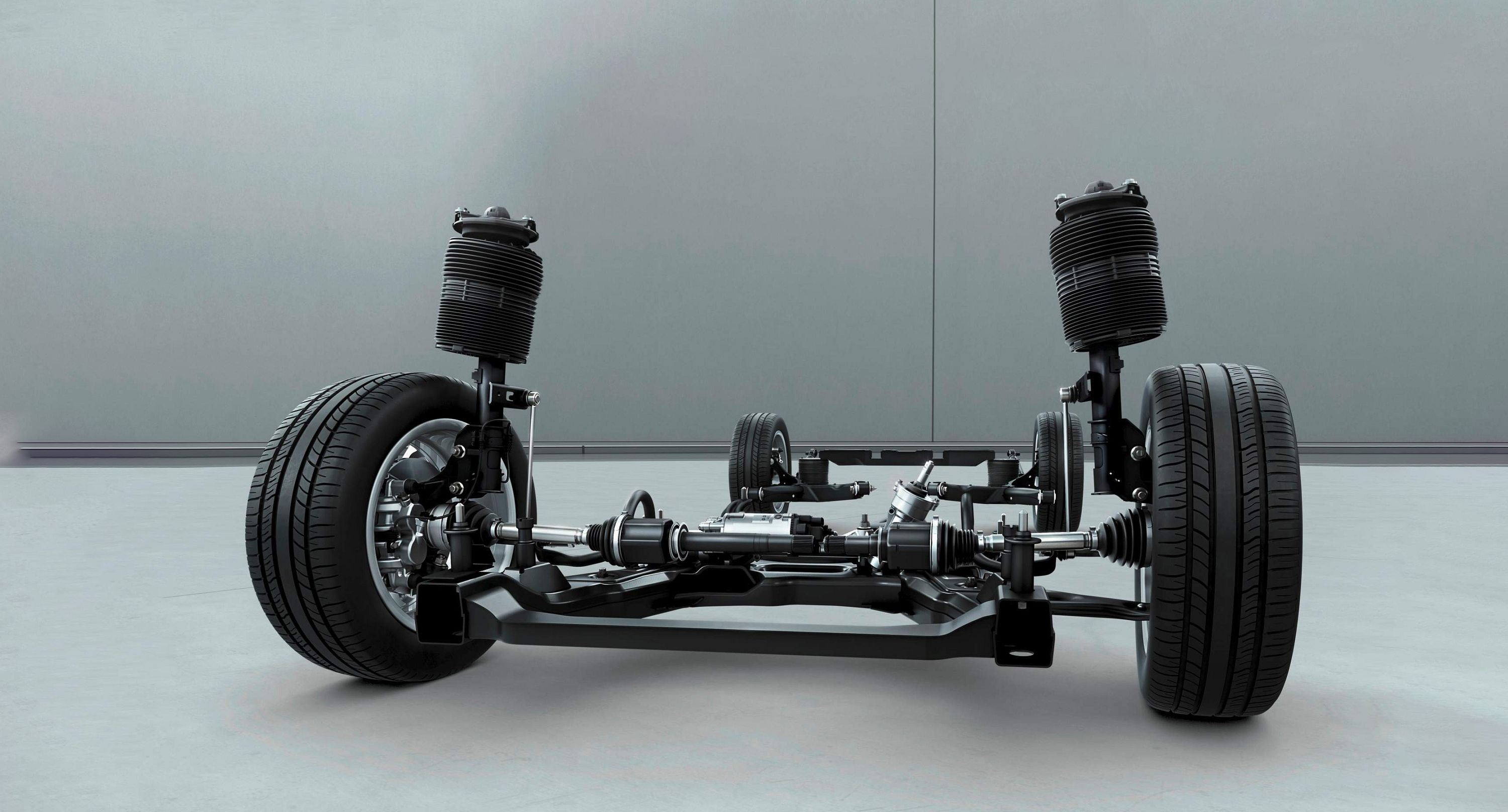
Some systems are crazy smart - they'll raise the car automatically when you approach your notoriously steep driveway, drop it down at motorway speeds for better aerodynamics, or even level it out when you're loading up with holiday luggage.
Like regular suspension, there's still a need for damping to stop the car bouncing like a basketball. In modern setups, the air springs and dampers are usually packaged together and controlled electronically, so everything works in harmony.
Which Cars Have Got It?
If you're shopping in the "money no object" range, air suspension often comes as standard. Think Mercedes S-Class, Range Rover, BMW 7 Series, and naturally anything with a Spirit of Ecstasy hood ornament.
It's also an option on mid-range premium stuff like the Mercedes C-Class and E-Class, Volvo XC90, and Audi Q5, though it'll cost you a fair chunk of change to tick that box.

Weirdly, some bigger estate cars like the BMW i5 Touring use air suspension just for the back end. This helps keep the car level when you've got the boot loaded with half of IKEA.
Budget cars? Forget it. Air suspension is still very much a posh car thing. If you want something with a similar floaty feel without the premium badge, your best bet might be hunting down an old Citroen with hydropneumatic suspension or maybe an MGF with its Hydragas system - though good luck finding parts when those go wrong.

The Dream and the Nightmare
Let's start with the obvious - air suspension costs a fortune. Not just when you're buying the car, but forever after.
Anyone who's owned an aging Range Rover or S-Class knows the sinking feeling that comes with... well, a literal sinking feeling. When air suspension fails, your lovely luxury car ends up hunkered down on its wheels like a sad dog. And fixing it? Let's just say you might want to take out a small loan.
You'll be having nightmares about compressors, perished air lines, leaky bags, and faulty sensors. When the system works, it's glorious. When it doesn't, your wallet gets a lot lighter.
But when it's working properly? Magic. The ride quality can be absolutely sublime, soaking up horrific road surfaces like they're barely there. It's like the difference between walking in cheap flip-flops and high-end running shoes.
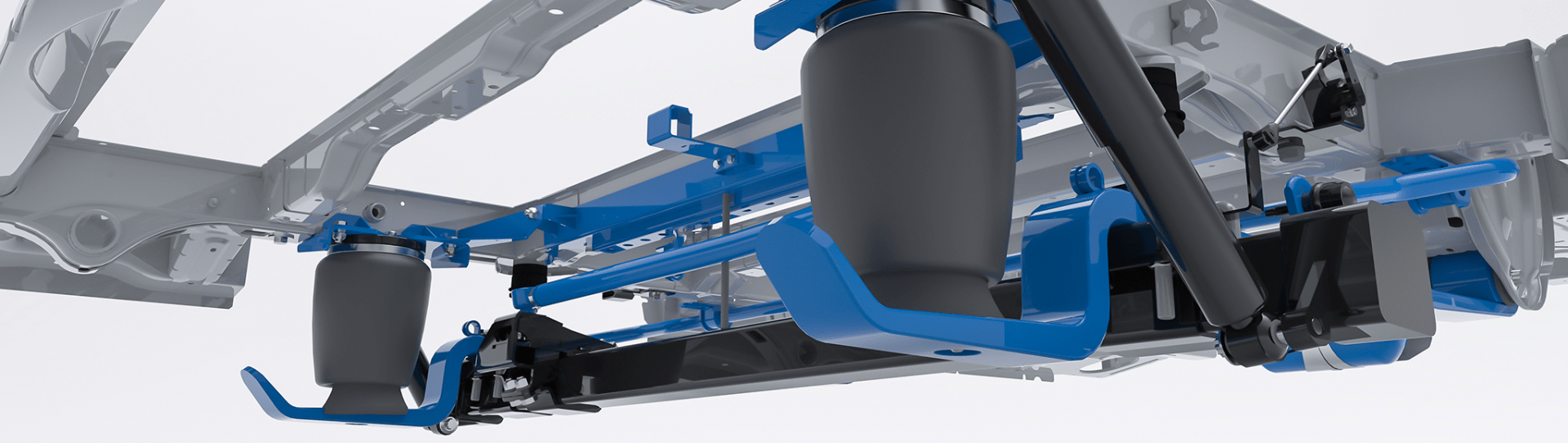
The versatility is brilliant too. Need to tackle a slightly muddy field at a festival? Raise it up. Want better fuel economy on the motorway? Drop it down. Loading up the dog? Lower the rear for easier access. Some of the really clever systems are just showing off - Mercedes has one that can tilt the car into corners like a motorcycle, while Audi has tech that can quickly jack up one side of the car if it detects you're about to be T-boned, giving the side-impact protection the best chance of saving your bacon.
And for those who can't decide if they want a comfortable cruiser or a sporty handler, air suspension lets you have both - just press a button and the whole character of the car changes.
Is it worth it? That depends entirely on how deep your pockets are and how much you value your spine. For some, it's simply the best way to deal with the increasingly third-world roads. For others, it's an expensive headache waiting to happen.