
A Court Just Shut Down 2,000 Miles Of Mojave Off-Road Trails

by AutoExpert | 9 March, 2026
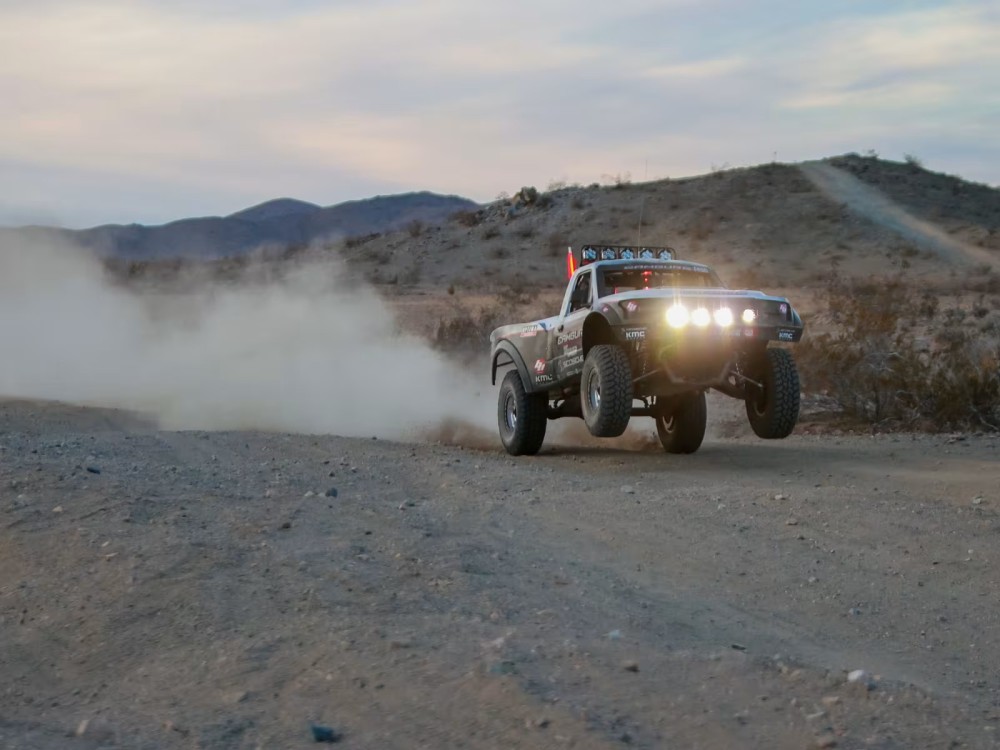
Off-roading has long been part of life in California’s Mojave Desert. For many people, it’s simply a way to explore the wide-open landscape. But a new court ruling could change that. According to the Los Angeles Times, a federal judge has ordered roughly 2,000 miles of off-road routes in the western Mojave to be closed because of concerns about damage to wildlife habitats.
At the center of the issue is the Desert tortoise. Researchers say the species has declined sharply over the past few decades. Biologist Kristin Berry from the U.S. Geological Survey says populations in some monitored areas have dropped by about 96 percent since the 1970s. Off-road vehicles can crush or disturb the burrows that tortoises depend on, and trash left behind by visitors can attract ravens, which often prey on young tortoises.
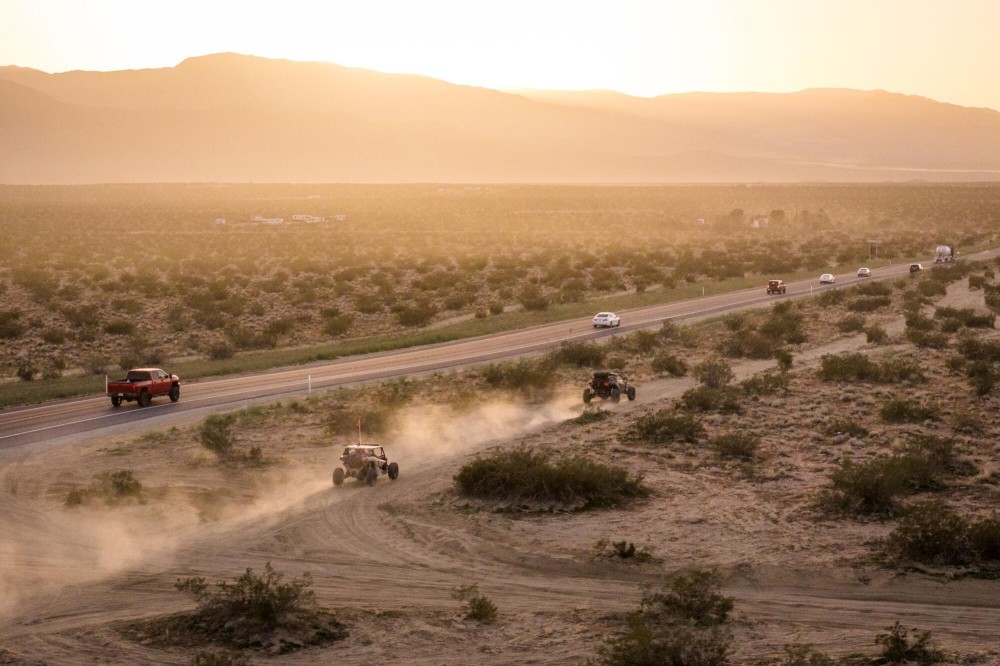
The ruling leaves many practical questions unanswered. The Bureau of Land Management manages the land, and enforcing closures across such a large area will not be easy. Many off-road enthusiasts argue they are being unfairly blamed for the tortoise’s decline and feel the decision goes too far.
Environmental groups see the situation differently. For organizations like the Center for Biological Diversity, the closures are an important step toward protecting fragile desert ecosystems. The region is also used for organized racing events run by groups like M.O.R.E. (Mojave Off-Road Racing Enthusiasts), where vehicles, including modified Volkswagen Baja Bugs, compete across the desert terrain.
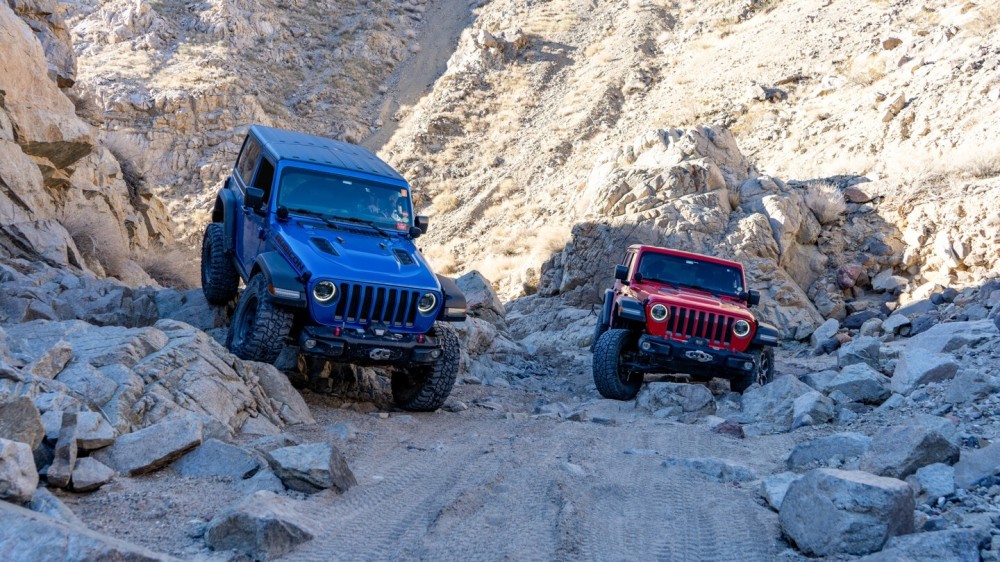
At the same time, not everyone visiting the Mojave is racing through it. Many people come simply to camp, hike, or enjoy the scenery. Judge Susan Illston has given the Bureau of Land Management until 2029 to create a new plan for off-road routes. Until then, the closures could also affect small desert towns like Lucerne Valley, Calico, and Randsburg that depend on visitors.
In the end, the dispute reflects a larger, ongoing tension in the Mojave. The desert has to balance many uses, from recreation and tourism to conservation, grazing, mining, and even military activity. Finding a way for those interests to coexist has never been simple.