2024 BMW XM Sales Underperform: Insights & Industry Lessons
by AutoExpert | 25 February, 2025
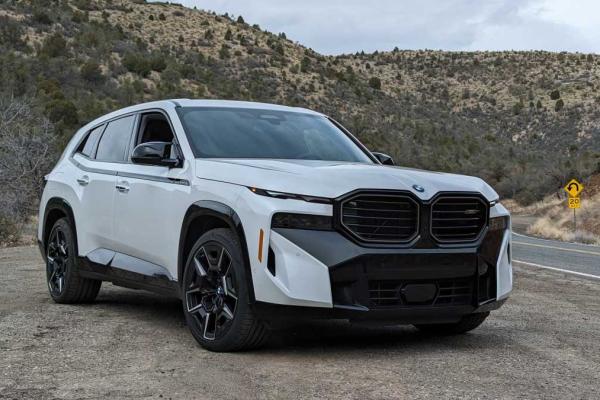
Now that we’ve crunched the numbers for 2024, it’s clear some cars just didn’t hit the mark last year. Take the BMW XM, for instance. It was its first year in the US, and it managed to sell only 1,974 units. That’s pretty low, especially when you compare it to some old timers in BMW’s lineup like the Z4 or even the more recent iX and X7.
Despite the hefty $159,000 starting price, the BMW XM struggled while cars like the Lamborghini Urus and the Mercedes G-Class flew off the shelves. You’d think with all the market research, concept testing, and customer studies car companies do, no one would drop the ball this bad, right? Well, BMW and Mercedes both proved that even the big names can miss the mark.

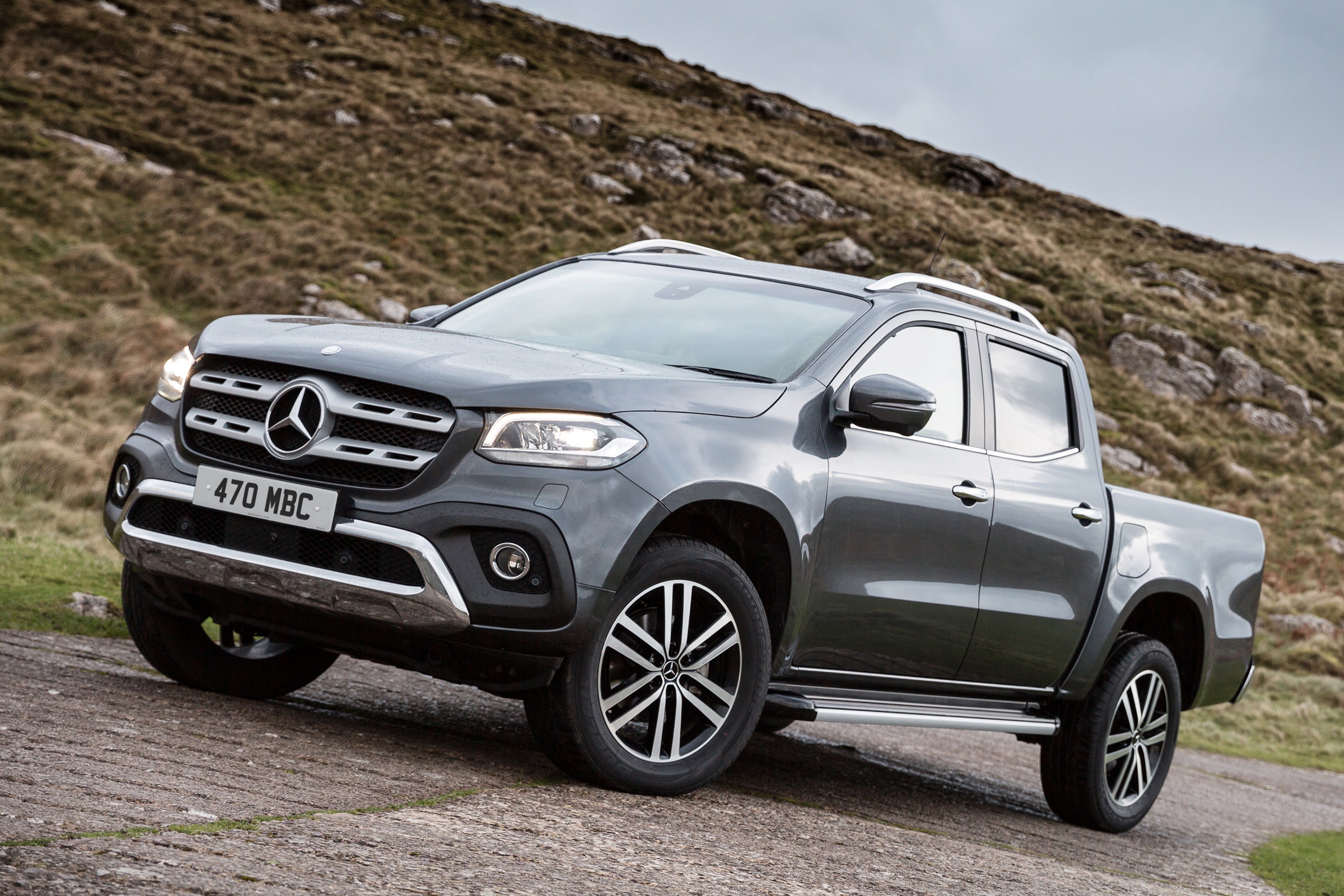
Take the Mercedes X-Class, for instance. A luxury midsize pickup sounds like a no-brainer. Trucks and SUVs have been selling like crazy, so why did Mercedes pull the plug after just two years and 15,000 units? It seems like even with the best laid plans, understanding what buyers really want is still tricky.

The Curious Case of the BMW XM
The XM should have been a hit. It’s a flashy, high-end SUV designed to get people turning their heads. It's exactly what you picture when you think of a car built for those who walk into a dealership and say, "I'll take the most expensive one you’ve got." But here’s the catch: the XM didn’t quite know what it was supposed to be. It was a brand new standalone M model, but slower than other M models that cost way less. Plus, it had a rough ride even on the smoothest roads. Despite its stunning interior and cool electric-only mode, it seems BMW may have missed the mark by sticking the M badge on it. BMW fans are smart—they know what they want, and a plug-in hybrid SUV didn’t fit the bill.

Lessons from the Mercedes X-Class Misstep
Over ten years ago, Mercedes decided to venture into the pickup truck arena. They promised a vehicle that would blend typical Mercedes luxury with the rugged appeal of a pickup. What we got, however, was a truck powered by underwhelming Nissan engines, which didn’t live up to the hype. It felt rushed and unrefined, not to mention it featured a comically shallow cupholder that couldn’t even hold a drink without spilling.
What Can Automakers Learn?
Both BMW and Mercedes had great concepts on paper—a luxury SUV and a high-end pickup truck. However, a cool concept isn’t enough. You need to back it up with substance. If BMW had focused more on what makes an M model great, the XM might have been a hit. Mercedes should have taken more time with the X-Class to make sure it lived up to their standards instead of rushing it to market.
In an industry obsessed with SUVs and trucks, maybe it’s time for someone to shake things up. Look at Mazda with the MX-5 Miata. No one thought a lightweight roadster would work, but it became the best-selling roadster of all time. It’s simple, fun, and affordable—a formula that seems increasingly rare these days.
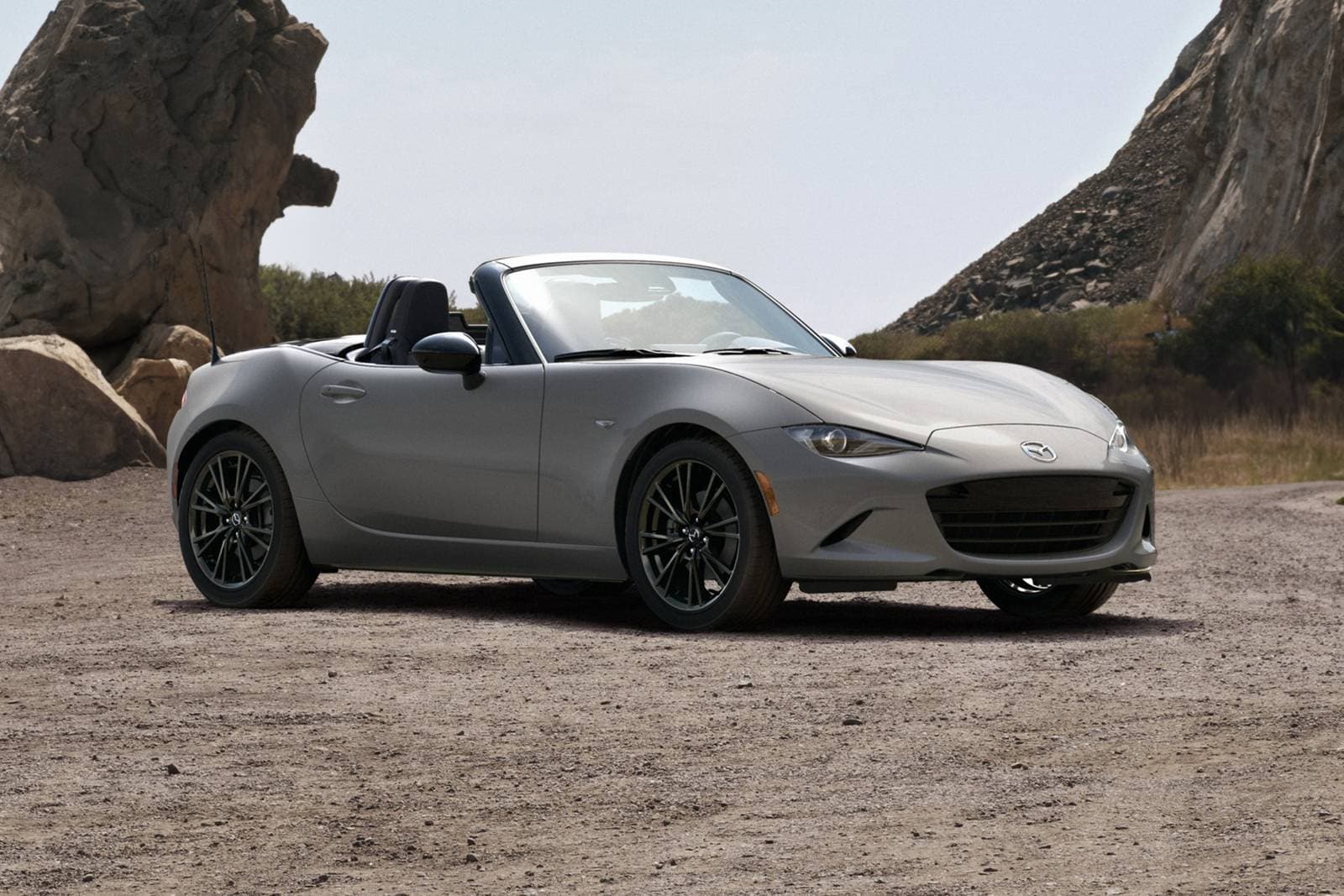
Maybe it’s time for automakers to remember that sometimes, you need to show customers what they want, not just build what you think they should want. And perhaps, it’s time for more cars like the Miata in a world where everything else is just trying to be bigger and flashier.