
10 Dumb Car Myths That Refuse to Die

by AutoExpert | 23 April, 2025
Car culture is packed with weird superstitions and outdated advice that somehow keep circulating despite having zero basis in reality. When drivers were asked about the dumbest automotive myths they've encountered, the responses ranged from mildly silly to completely absurd. Here's a rundown of the automotive tall tales that refuse to die:
The 100 MPG Conspiracy
Nearly everyone's heard this one: some brilliant engineer created a carburetor delivering incredible fuel economy, only to be "silenced" by Big Oil and the auto industry. Somehow this mythical technology never surfaces, despite thousands of engineers who'd love to revolutionize transportation.

GMC's "Thicker Steel"
The persistent belief that GMC trucks use thicker, stronger steel than their Chevrolet counterparts. Same factory, same specs, different badges—but try telling that to die-hard GMC defenders.

Barefoot Driving Ban
"It's illegal to drive barefoot!" No, it's not—never has been in any U.S. state. This myth is so widespread that police departments regularly have to issue clarifications.

Cold Engine Myths
Two stubborn myths refuse to die: "You must warm up your car before driving" and "Don't reverse when the engine is cold." Modern engines actually warm up faster while driving gently, and they're perfectly capable of moving backward at startup without self-destructing.

The Electric Car Falsehoods
Anti-EV myths abound: "They're less green because of power plants" and "Battery manufacturing makes them worse for the environment." Both claims have been thoroughly debunked. Even with coal-generated electricity, EVs produce fewer lifetime emissions than gas vehicles.

The +2 Insurance Discount
Sports car owners love claiming those tiny back seats in 2+2 coupes exist to lower insurance rates. Insurance companies aren't fooled—those seats exist so buyers can tell their spouses, "See? It's practically a family car!"

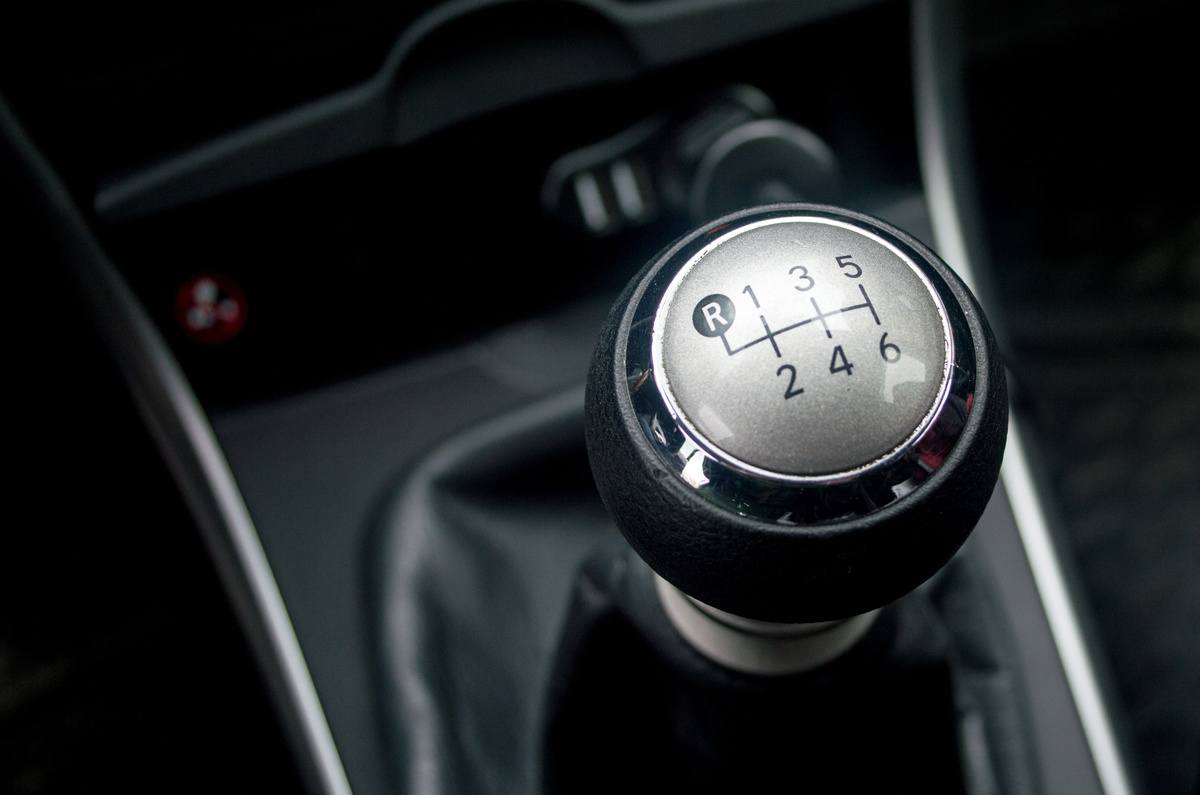
Manual Transmission Safety
The belief that stick shifts prevent distracted driving. Anyone who's driven a manual regularly knows shifting becomes automatic muscle memory, leaving plenty of attention for smartphone distractions, coffee drinking, or other dangerous behaviors.
Trade-In Tactics
"Don't mention your trade-in until after negotiating the new car price." According to actual car salespeople, this "clever" strategy just wastes everyone's time without improving the deal.

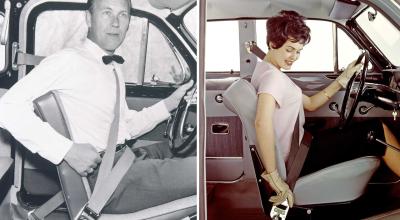
No Seatbelt "Safety"
Less common now but still lurking: the idea that not wearing a seatbelt is safer because you could be "trapped" after a crash. Physics and decades of crash statistics strongly disagree.

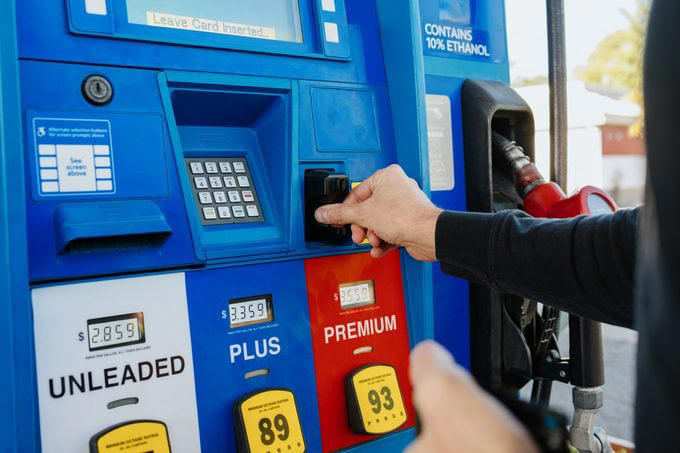
Brand Loyalty at the Pump
The fear that switching between gas brands will somehow damage an engine. While there were minor differences between gas formulations decades ago, modern standardized fuel makes this concern completely outdated.
Car myths seem to persist through generations despite ready access to accurate information. Perhaps there's something comforting about automotive superstitions, or maybe drivers just like having secret "knowledge" to share. Either way, these myths continue their stubborn existence in garages and online forums everywhere.