New Car Seat Rules Are Finally Catching Up to the Way Real Crashes Actually Happen
by AutoExpert | 15 April, 2026
Most parents probably assume car seats are already tested for everything that matters.
That would be nice. But apparently, that has not fully been the case.
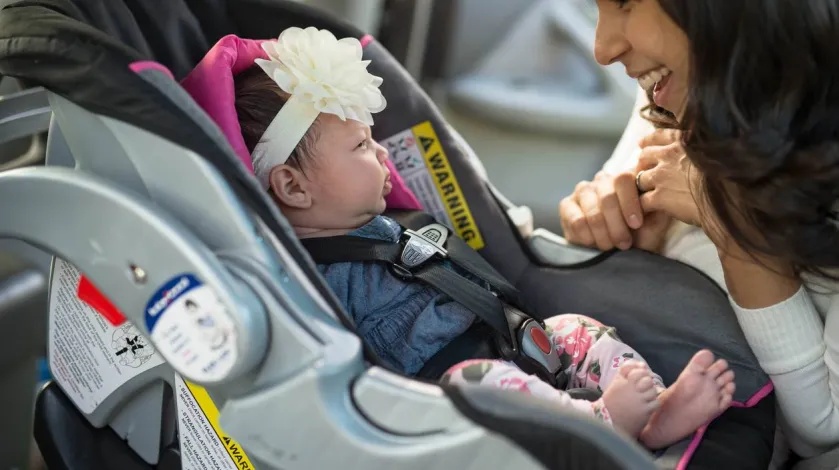
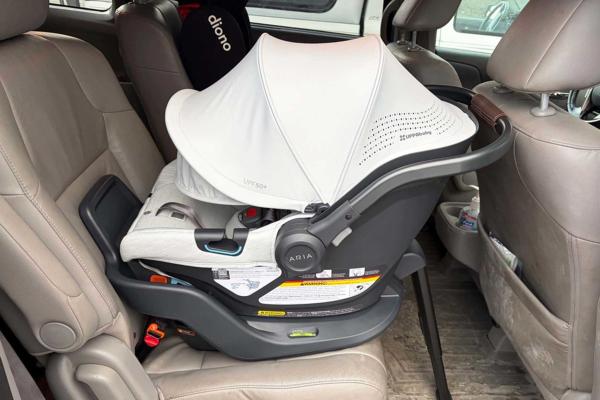
A big federal update is finally coming this December, and it is one that actually feels overdue. For the first time, child seat makers will have to meet a clear side-impact testing standard, not just the long-standing frontal crash rules. That matters because side crashes are exactly the kind of thing that make parents nervous, especially when a car seat is sitting right next to the door, which, in real life, is often where it ends up.
And that is really the heart of this change. It is not just a bureaucratic update. It is the government finally saying, yes, we should probably be testing these seats in ways that look more like actual crashes in modern cars.
The new rules do more than add side-impact standards, too. They also update the old testing setup itself, which sounds boring until you realize how old some of those assumptions were. The crash simulations are being brought closer to modern vehicles, the belt systems being used for testing are more realistic, and even the crash-test dummies are getting updated. Basically, the whole thing is being dragged out of the past and into something that better reflects how families actually travel now.
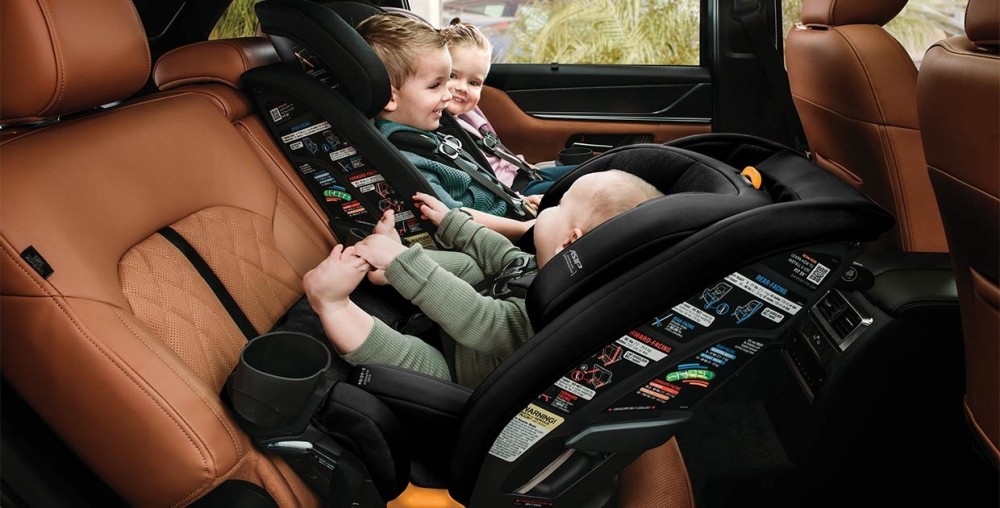
There is also a change parents may notice more directly. The cutoff points for moving a child into the next kind of seat are getting pushed higher. In plain English, kids will now need to be a bit bigger before moving from rear-facing to forward-facing, and bigger before graduating into a booster. That is the kind of detail that tends to matter a lot when parents are trying to figure out whether their child is “ready” for the next step.
Honestly, that part alone is probably going to surprise a lot of people.
But overall, this feels like one of those updates that is hard to argue with. Cars have changed. Crash science has changed. Families drive different kinds of vehicles than they did decades ago. It would be stranger if the testing stayed frozen in time.
So no, this is not the kind of story that makes people rush out and replace a car seat tonight. It is not that. But it is a meaningful shift. It means the next generation of seats should be tested in a way that makes more sense, and when the whole point is protecting kids, that is not some small technical footnote. That is the point.