
Honda CR-V: The Journey from Compact to Cutting Edge
by AutoExpert | 24 March, 2025
The Honda CR-V has come a long way, baby. Now cruising through its sixth generation and a regular on 10 Best list, this versatile compact SUV wasn't even Honda's first sport utility vehicle—but it was the first one the Japanese automaker developed from scratch. Landing in America for the 1997 model year, the CR-V slotted below the Isuzu-derived Passport in Honda's lineup.
Nearly three decades later, that positioning remains the same, though neither the Passport borrows from Isuzu anymore nor is the CR-V quite as compact as it once was. Despite growing up, it's still every bit as versatile as ever.
1997: America Meets the CR-V
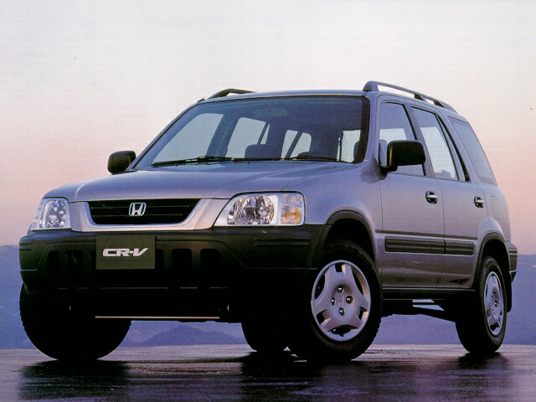
When the CR-V first hit U.S. shores, simplicity was the name of the game. Every model packed the same basic setup: a modest 126-hp 2.0-liter four-cylinder, a four-speed automatic transmission, and all-wheel drive. At $19,695, it came with just one available option package that added alloy wheels and anti-lock brakes. Oh, and let's not forget that quirky folding picnic table hidden in the cargo area—perfect for impromptu roadside lunches!
The little Honda immediately impressed with its car-like handling and agility. This wasn't just a boxy utility vehicle; it actually enjoyed corners.
1998-1999: More Choices, More Power
By 1998, Honda started expanding the CR-V's horizons, adding a five-speed manual transmission option and front-wheel drive for buyers who didn't need all-weather capability. The lineup split into LX and EX trims, giving customers more choices.
The following year brought a welcome power bump. By tweaking the compression ratio and revising the intake and exhaust manifolds, Honda squeezed an extra 20 horses from the 2.0-liter engine, bringing output to a more respectable 146 hp. Front passengers finally got their own armrest, too—sometimes it's the little things that count.

2000-2001: Special Edition Enters the Chat
The millennium brought the first CR-V Special Edition (SE), dressing up Honda's little utility vehicle with leather trim on the seats and steering wheel, a fancy stereo with both cassette and CD players (high tech for 2000!), chrome grille accents, and color-matched bumpers, side molding, and spare tire cover.
Even with these upgrades, the first-gen CR-V was starting to show its age against newcomers like the Ford Escape and Mazda Tribute, finishing fifth in a comparison test.
2002-2006: The Sophomore Album Drops
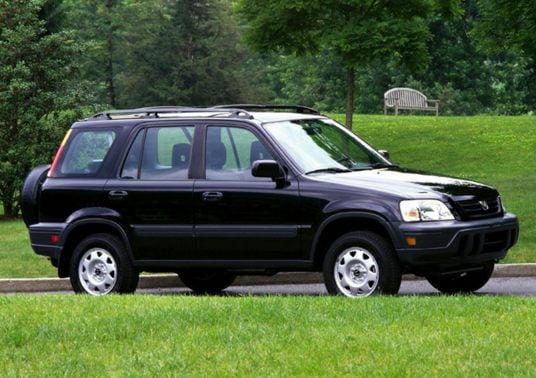
For 2002, Honda completely reimagined the CR-V. Slightly larger in every dimension, the second-gen model packed a more powerful 160-hp 2.4-liter four-cylinder engine. The picnic table tradition continued, as did the front-wheel drive standard/all-wheel drive optional setup. Transmission choices got interesting: front-drivers were automatic-only, while all-wheel drive models could be had with a five-speed manual for those who liked to row their own.
The second-gen CR-V's car-like dynamics and surprisingly fun character earned it a spot on 5Best Trucks list for 2003.
By 2005, Honda gave the CR-V a mid-cycle refresh with revised styling and a new five-speed automatic transmission. The Special Edition trim returned, bringing back its signature body-colored elements and leather appointments.

2007-2011: Growing Up, Moving On
Generation three marked big changes for the CR-V. The blocky styling gave way to a more rakish look, and perhaps most notably, the side-swinging rear gate with its spare tire mount disappeared in favor of a conventional liftgate. Sadly, the beloved picnic table didn't make the cut either.
Under the hood, the 2.4-liter four-cylinder now made 166 horsepower, paired exclusively with a five-speed automatic—manual transmission fans were left in the cold. Both front- and all-wheel drive remained available.
A 2010 refresh brought another 14 horsepower (up to 180 total), and 2011 saw the return of the SE trim, now positioned just above the base LX model with upgrades like alloy wheels and steering wheel audio controls.

2012-2016: Refinement Takes Center Stage
The fourth-generation CR-V arrived for 2012 looking more sophisticated than ever. While the styling and technology made leaps forward, the mechanical bits evolved more gradually. The 2.4-liter engine returned with a slight bump to 185 horsepower, still mated to the five-speed automatic.
By 2015, Honda finally ditched that aging transmission for a modern continuously variable automatic (CVT). The engine's torque swelled to 181 lb-ft (up 18 from before), helping a front-drive 2015 CR-V sprint to 60 mph in 7.5 seconds—a full second quicker than the previous model.
The Special Edition made another comeback for 2016, though by this point "special" mainly meant unique 17-inch alloy wheels.
2017-2022: Turbocharged Future
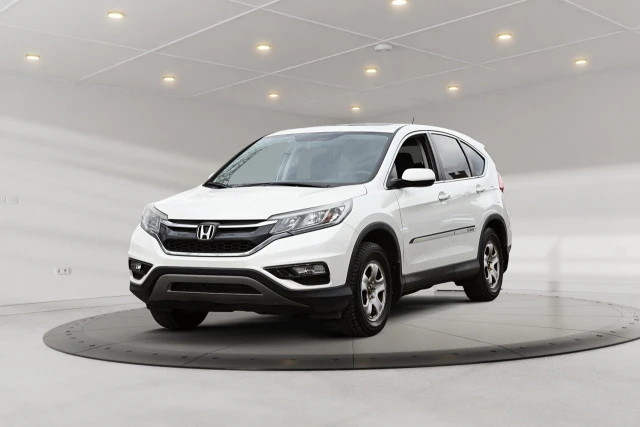
The fifth generation brought the biggest powertrain shakeup yet. While base LX models carried over the 184-hp 2.4-liter engine, EX and Touring trims received a peppy 190-hp turbocharged 1.5-liter four-cylinder. A CVT remained the only transmission option across the board.
This new CR-V immediately won over the critics, earning a spot on 10 Best Trucks and SUVs list for 2017.
For 2020, Honda simplified the lineup by dropping the old 2.4-liter engine entirely and introduced a hybrid powertrain combining a 2.0-liter four-cylinder with two electric motors for a combined 212 horsepower. During a 40,000-mile long-term test, a 2021 CR-V Hybrid averaged an impressive 30 mpg.

2023-Present: Bigger, Better, Hydrogen?
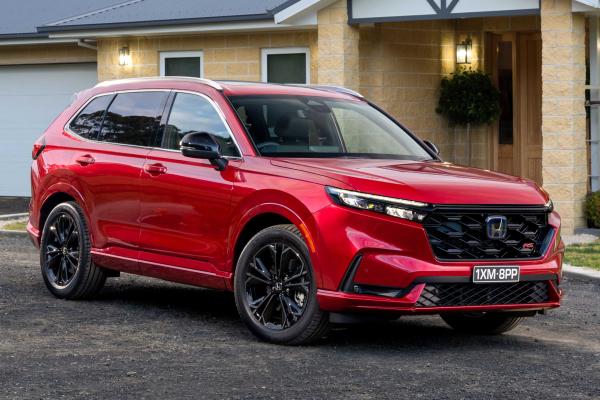
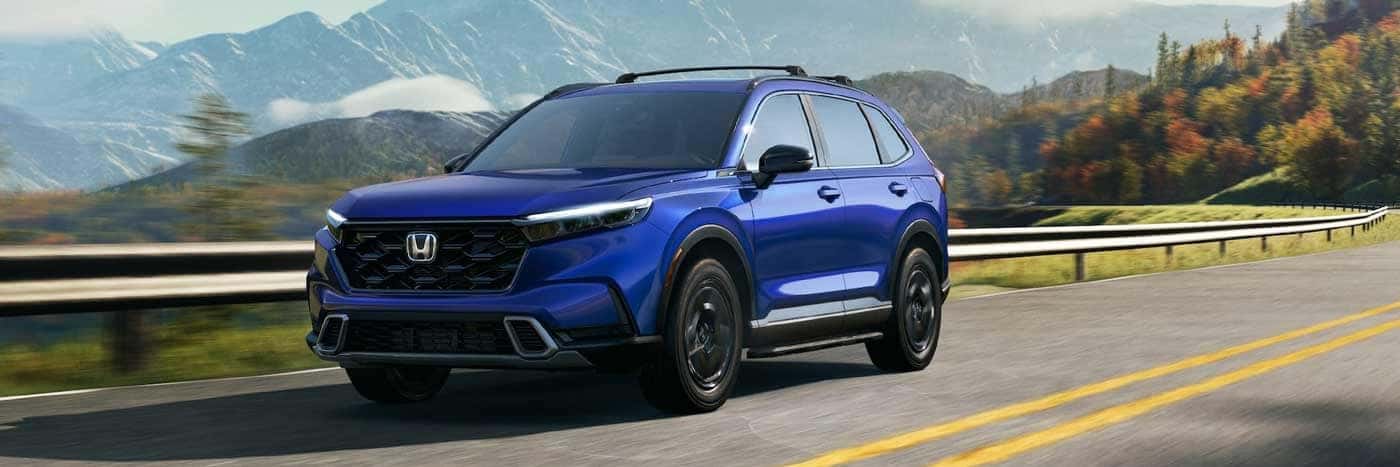
The current sixth-generation CR-V debuted for 2023, continuing to offer both gas (190-hp turbo 1.5-liter) and hybrid (204-hp 2.0-liter with two motors) powertrains. It somehow manages to feel even more car-like while maintaining a spacious cargo area and the commanding seating position SUV buyers love. This winning formula has kept the CR-V on 10Best list for 2023, 2024, and 2025.
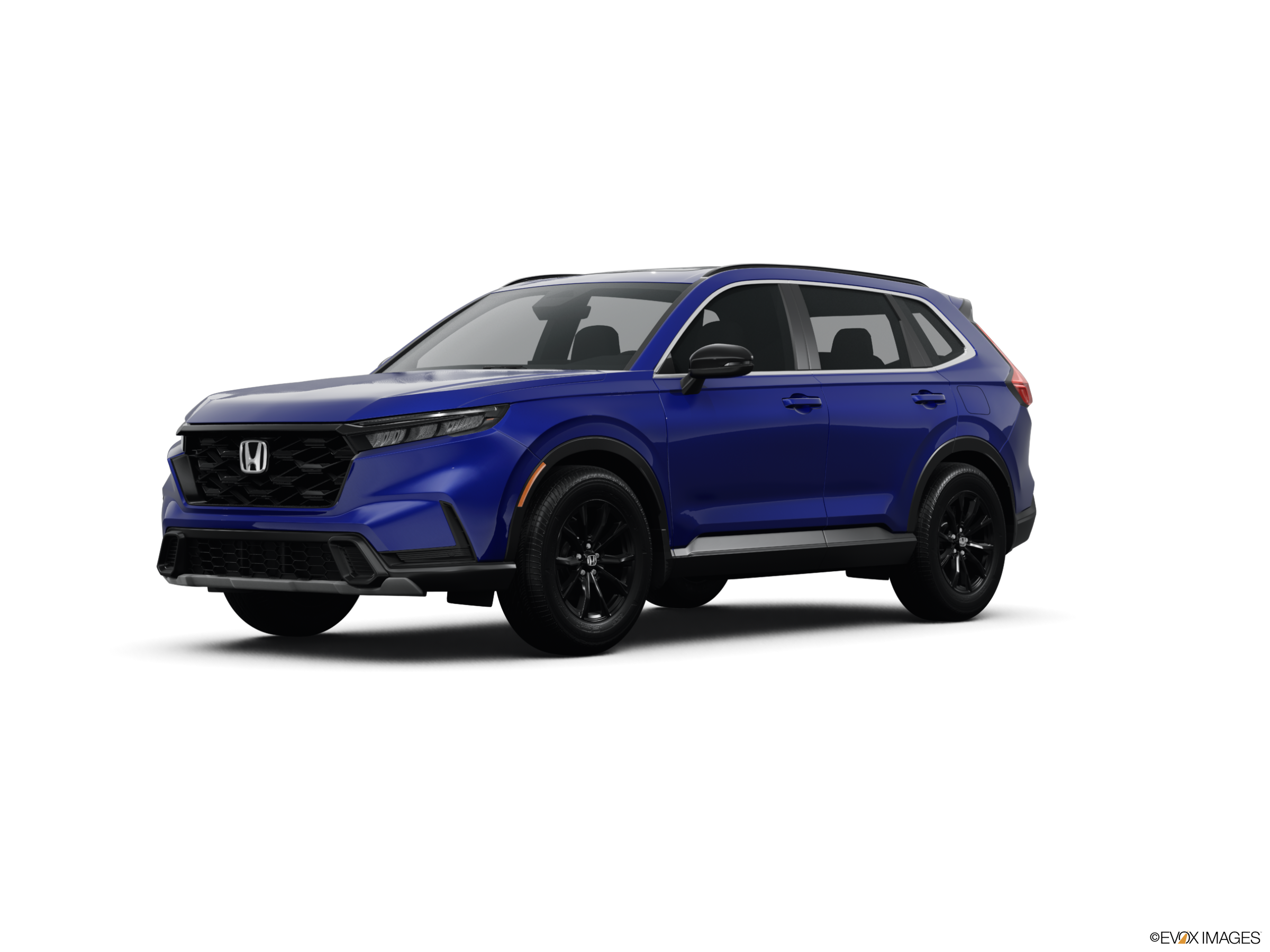
The biggest news for 2025? Honda's introducing the CR-V e:FCEV for California residents—a hydrogen-powered version that also functions as a plug-in hybrid with pure electric driving capability. From hidden picnic tables to hydrogen fuel cells, the CR-V has certainly come a long way in less than 30 years.