Does Rapid EV Charging Damage Batteries? New Geotab Data Shows the Real Impact

by AutoExpert | 10 February, 2026
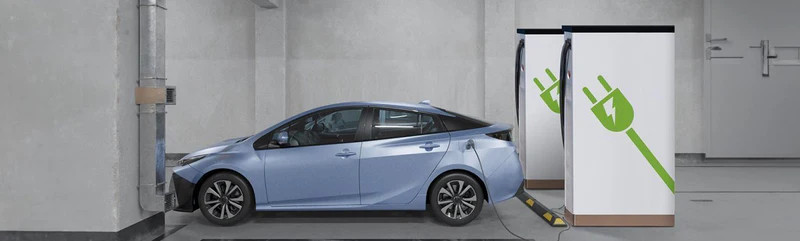
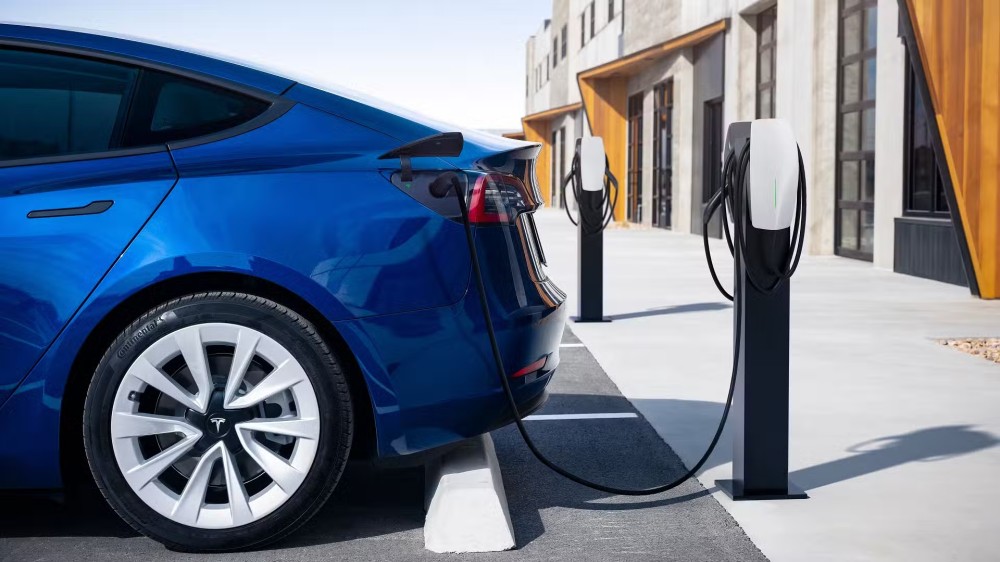
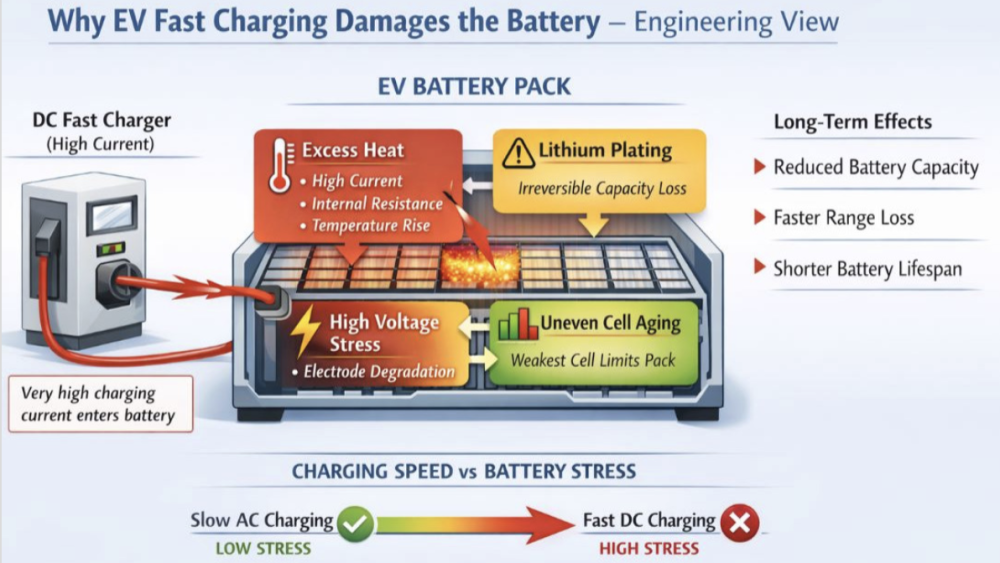
Turns out those super quick charging stations aren't doing EV batteries any favors. Geotab looked at a bunch of electric vehicles (over 22,000 of them) and noticed something pretty clear: people who charge at the really powerful stations all the time are watching their batteries fade faster than folks who don't.
The difference is actually kind of significant. Anyone using those 100+ kW chargers for more than 12% of their charges saw batteries drop about 2.5% in capacity each year. Keep it under that and it's more like 1.5%. Stick to the slower chargers at home or around town and it's even better.
But here's the thing. Batteries are gonna wear out anyway. That's just how they work. Most EVs lose around 2.3% per year no matter what. Bigger vehicles are closer to 2.7%, smaller ones around 2%. And after a year or two, things usually level off to about 1.4% annually.
What's Actually Going On
When you slam a ton of electricity into a battery really fast, the lithium inside doesn't flow right. It starts bunching up instead of spreading out, which is called lithium plating. Fewer flowing ions means less charge the battery can hold. Pretty straightforward.
Hot weather makes things worse too. Anything over 77 degrees and batteries degrade a bit quicker. Cold is actually the real problem, though. Charging when it's freezing outside can mess things up permanently, so taking it slow in winter makes sense.
Oh, and that whole thing about keeping batteries between 20% and 80%? Turns out it doesn't really matter unless someone's running their battery bone dry or charging to 100% literally all the time.
What This Actually Means for Drivers
Not a whole lot, honestly. EVs these days are smart enough to protect themselves from getting totally fried. Stopping at a fast charger on a road trip isn't going to ruin anything. It's only if someone's hitting up high-powered chargers every single day that it starts adding up.
Whether that extra bit of wear is worth avoiding probably depends on how much someone values convenience. For most people, being able to charge up quickly when they need to beats obsessing over an extra percentage point or two of battery life each year.