
Decoding the Heat: Understanding Your Car Engine's Temperature Dynamics
by AutoExpert   |  15 January, 2024

Share :

In the dynamic world of automotive technology, understanding the basics of your car's engine, especially its temperature limits, is crucial. It's a well-known fact that engines heat up during operation, a perfectly normal occurrence.

Yet, there's a threshold to this heat, beyond which lies the danger zone of overheating. This article aims to demystify the concept of engine temperatures, providing essential knowledge for both seasoned motorists and new drivers.

Car Engine's Temperature

The Science Behind the Heat

Car engines, despite their technological advancements, are not immune to generating excessive heat. This phenomenon aligns with the Second Law of Thermodynamics, where not all heat energy converts into mechanical power. There's always residual heat, which, unfortunately, serves no purpose other than to raise the engine's temperature, especially under strenuous conditions.
Car Engine's Temperature

How Hot is Too Hot?

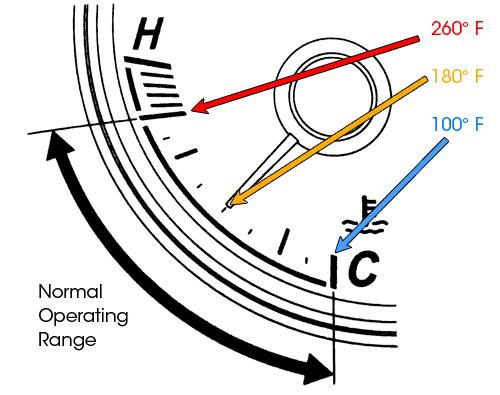
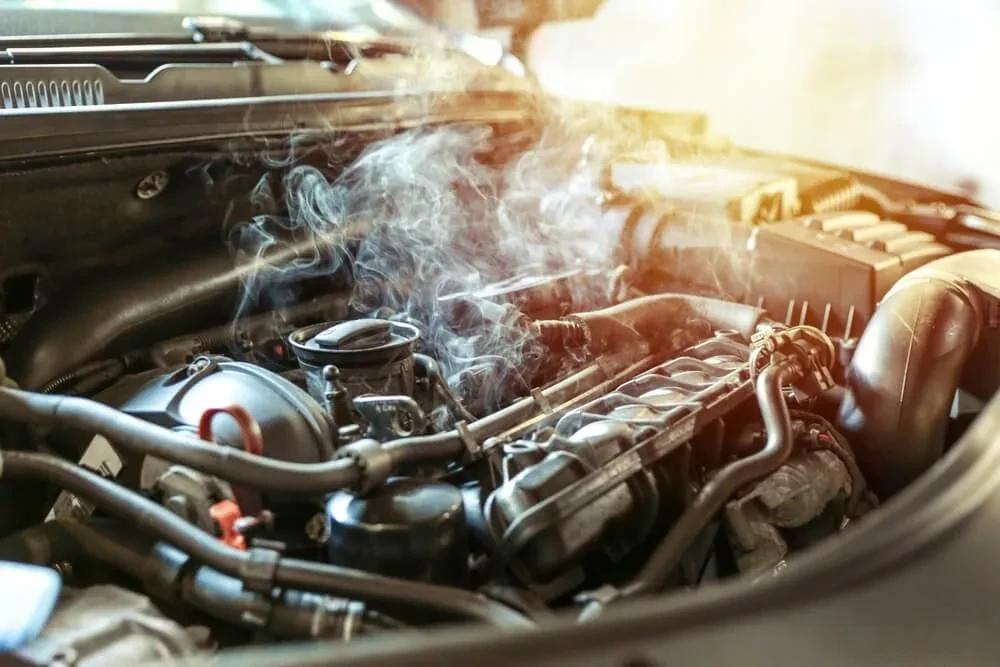
The central question then arises: just how hot does a car engine get? Before diving into specific numbers, it's important to note that engine metals can reach temperatures where they glow red. Generally, the peak temperature for most car engines hovers around 250 degrees Fahrenheit, measured through the liquid coolant. Components like exhaust valves can endure even higher temperatures. At these extremes, the cooling system is under intense pressure, often releasing coolant through the pressure relief valve in the radiator cap.

Car Engine's Temperature

However, surpassing this threshold isn't advisable. While race car engines are built to withstand such heat, standard car engines are not. Pushing beyond 250 degrees Fahrenheit can lead to significant damage and requires sophisticated and expensive engineering.

Interestingly, some engines can momentarily withstand 300 to 400 degrees Fahrenheit. But these are fleeting moments, often signaling the engine's impending shutdown or spark plug malfunction, especially if there are existing issues with the water pump or head gasket.
Car Engine's Temperature

In normal conditions, car engines operate within a 195 to 220 degrees Fahrenheit range.

When Overheating Strikes

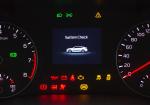
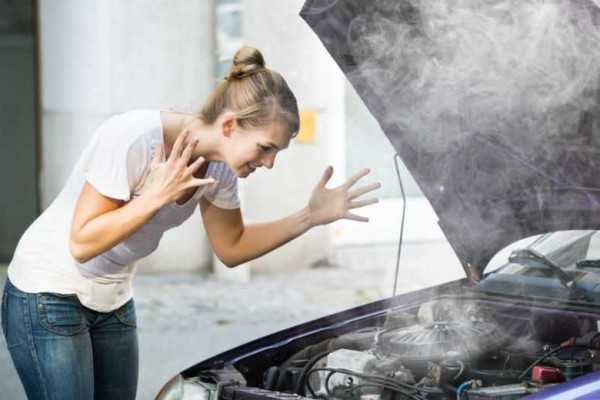
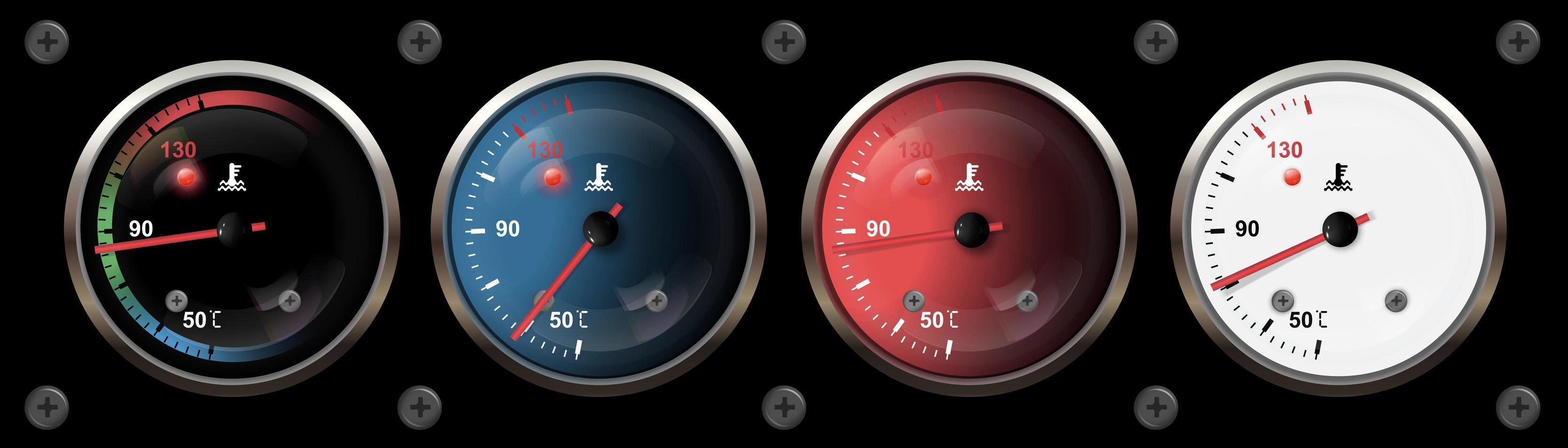
Overheating, even over short distances, can cause severe damage to vital engine components. Factors contributing to this include heavy towing, prolonged exposure to intense sunlight, and maxing out the air conditioning. Most modern cars come equipped with a dashboard gauge for continuous coolant temperature monitoring. It signals any aberrations in the cooling system, though it may not display the exact temperature.

For newer models, a color-coded warning light system has replaced the gauge. Blue indicates a cold engine, while yellow or red signals a problem.
Car Engine's Temperature

Cooling Down an Overheated Engine

If you find yourself with an overheated engine, here are some immediate steps:

  1. Pop the hood – This aids in cooling, but ensure the engine isn't still steaming.
  2. Inspect the coolant tank – Check for leaks and ensure the coolant level is adequate.
  3. Add antifreeze – Do this carefully, making sure the radiator is cool enough to prevent a sudden temperature shock.

Preventive Measures

Preventing overheating is manageable with a few proactive steps:

  • Drive steadily – Avoid aggressive driving in hot weather.
  • Prepare antifreeze – Keep it mixed with water in a 50:50 ratio.
  • Regular coolant checks – Ensure its quantity and quality are up to standard.
  • Inspect the radiator cap – A crucial component in maintaining system pressure.
  • Clean the condenser – Keeping it free from debris ensures adequate airflow.
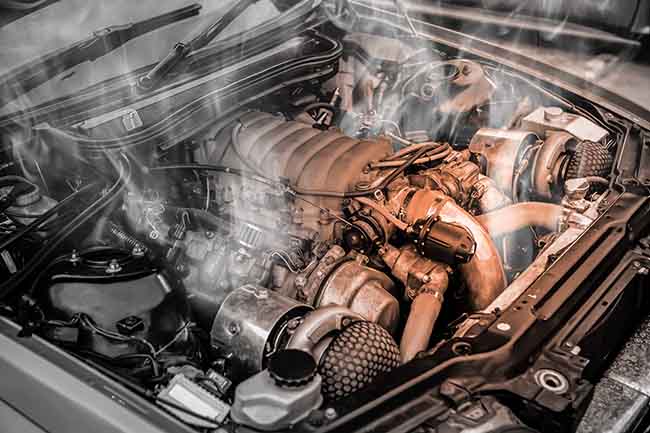
Car Engine's Temperature

Understanding your car engine's heat dynamics is key in maintaining its health and performance. Be vigilant and proactive in monitoring and maintaining your engine to avoid the pitfalls of overheating. Remember, knowledge and timely action are your best defenses against the heat.


Recomended:

Everyone Says Pop-Up Headlights Were Banned, but That Is Not What Actually Happened - Photo
Others
Everyone Says Pop-Up Headlights Were Banned, but That Is Not What Actually Happened

Few automotive features can make a parked car look as alive as pop-up headlights. Turn the switch and two neat sections of bodywork rise from the hood, pause with theatrical precision and reveal the l

AutoExpert
This Talking Datsun Hid a Tiny Six-Track Record Player Beneath the Dashboard - Photo
Others
This Talking Datsun Hid a Tiny Six-Track Record Player Beneath the Dashboard

A new car speaking to its driver no longer feels remarkable. Navigation systems issue directions, safety assistants complain about lane markings and voice controls wait patiently for somebody to remem

AutoExpert
Honda Built Navigation Before GPS Using Helium, Transparent Maps and a Glowing Green Dot - Photo
Others
Honda Built Navigation Before GPS Using Helium, Transparent Maps and a Glowing Green Dot

There was a time when getting lost required some commitment. A driver would unfold a road map across the steering wheel, locate two towns that appeared to be printed directly on top of one another, th

AutoExpert
Your Front Brakes Do Most of the Work, So Why Did the Rear Pads Wear Out First? - Photo
Others
Your Front Brakes Do Most of the Work, So Why Did the Rear Pads Wear Out First?

The usual explanation sounds perfectly logical. When a car slows down, its weight moves toward the front. The front tires carry more load, so the front brakes provide more of the stopping force. That

AutoExpert
Rubber Is Naturally Pale, So Why Did the Automotive World Make Every Tire Black? - Photo
Others
Rubber Is Naturally Pale, So Why Did the Automotive World Make Every Tire Black?

A bright red car, a metallic blue car and a taxi painted the color of a highlighter will normally leave the factory with exactly the same footwear. Black tires. The color seems so inevitable

AutoExpert
A Fatal Hand-Crank Accident Helped Change the Way Every Car Starts - Photo
Others
A Fatal Hand-Crank Accident Helped Change the Way Every Car Starts

Starting a modern car requires so little effort that the action barely registers. Turn a key, press a button or let the vehicle recognize that its driver has climbed aboard. A second later, the engine

AutoExpert
You Installed the Correct Battery, but Your Car May Still Think the Old One Is There - Photo
Others
You Installed the Correct Battery, but Your Car May Still Think the Old One Is There

Changing a car battery used to be one of the cleaner bargains in home mechanics.Remove two terminals, undo the clamp, lift out the old battery and fit the new one. The clock might need resetting a

AutoExpert
Highway Rumble Strips Are Designed to Sound Awful, but Making Them Quieter Could Save Lives Too - Photo
Others
Highway Rumble Strips Are Designed to Sound Awful, but Making Them Quieter Could Save Lives Too

One tire wanders across the painted line and the previously quiet cabin erupts with a harsh mechanical growl. The steering wheel trembles, the seat vibrates and, for half a second, it feels as if some

AutoExpert
People Once Wanted Car Radios Banned Because Listening While Driving Seemed Far Too Dangerous - Photo
Others
People Once Wanted Car Radios Banned Because Listening While Driving Seemed Far Too Dangerous

A dashboard without a radio now looks unfinished. Even the most basic car is expected to provide music, news and something to fill the silence when traffic has stopped moving but the clock has not.

AutoExpert
The Seatbelt That Chased You Across the Door Was America’s Cheaper Alternative to an Airbag - Photo
Others
The Seatbelt That Chased You Across the Door Was America’s Cheaper Alternative to an Airbag

Open the door of certain 1980s or early 1990s cars and a small buckle begins travelling along the roofline. Sit down, close the door and the shoulder belt glides toward the B-pillar, hopefully passi

AutoExpert