

The Used Car Has Good Tread. Now Check the Four Digits the Photos Don’t Show.
by AutoExpert | 15 November, 2026
Lift the trunk floor on a used car and you may find a spare that looks better than any of the tires on the ground. It may also be the only one that’s been there since the car left the factory.
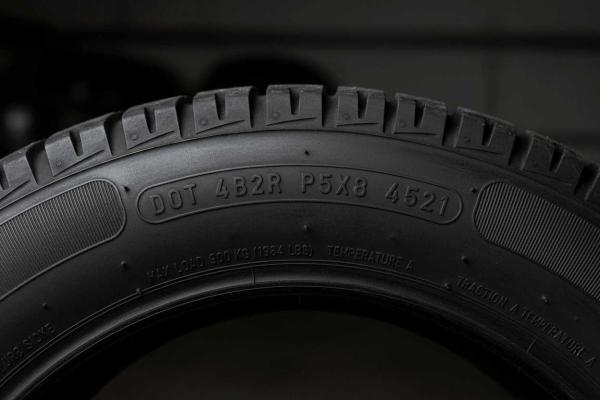
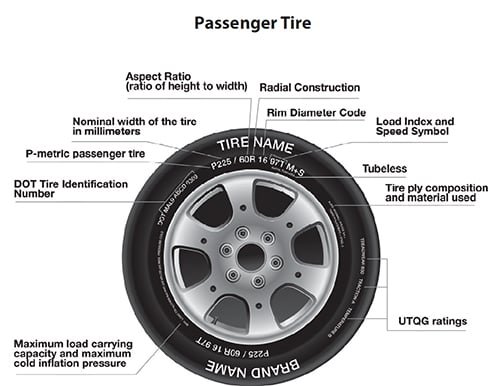
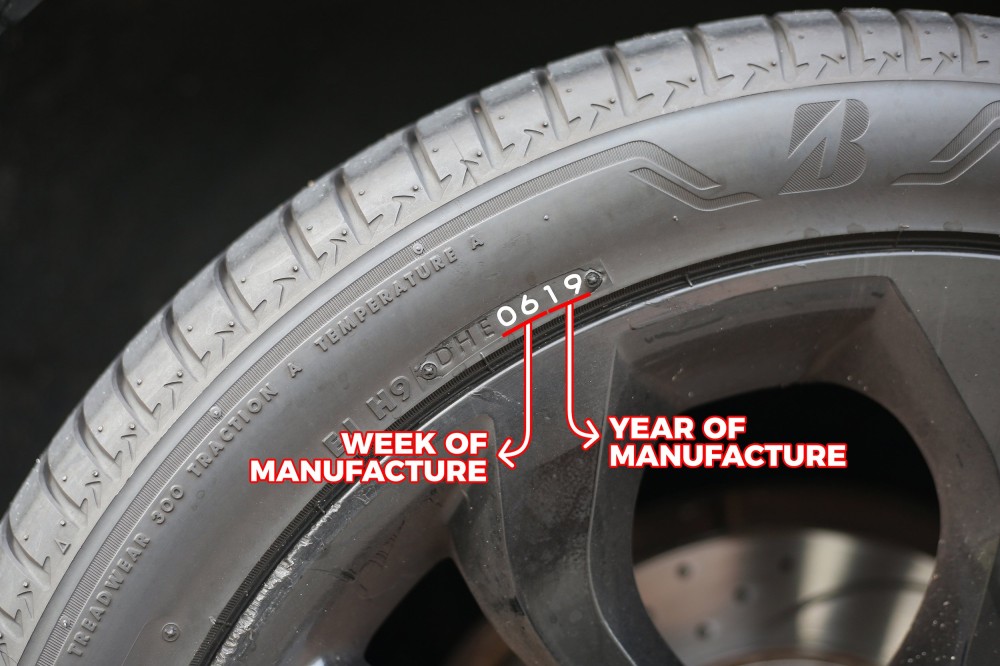
You can find out when a tire was made from the last four digits of its full DOT identification code. 1523 means the 15th week of 2023. And if you’re staring at the letters DOT on the sidewall with no four-digit date at the end, you haven’t necessarily missed it. The full code can be on the side facing the car.
A receipt is useful, especially if the seller says the tires were fitted recently. Just read it for what it is: a record of when somebody bought them. The date on the rubber tells you how old they were when they went on. Check each tire if you can.
A puncture can put one newer tire on a car whose other three have been there for years. If the date faces inward and you can’t see it safely, ask the shop doing the pre-purchase inspection to look while the car is up.
The spare deserves the same attention, even if it still has the little rubber hairs from the mold. Michelin recommends replacing tires, including spares, ten years after manufacture as a precaution, even if they still look usable.
That’s Michelin’s recommendation, so check the guidance for the tire and the car you’re looking at. A recent date is useful information, but you still need to check the tire’s condition.
If the spare is old enough to replace, put it on the list of things the car needs before you agree on a price. The first time you need that tire is a lousy time to learn its age.