
Your Trailer’s Tongue Weight Can Change on the Same Trip. Here’s How to Check It.
by AutoExpert | 15 November, 2026
You load a heavy cooler behind the trailer axle, decide it’ll be easier to reach up front, and move it. The trailer weighs exactly what it did before. Put a scale under the coupler, though, and the reading goes up. The truck feels a change that the total weight of the trailer won’t show you.
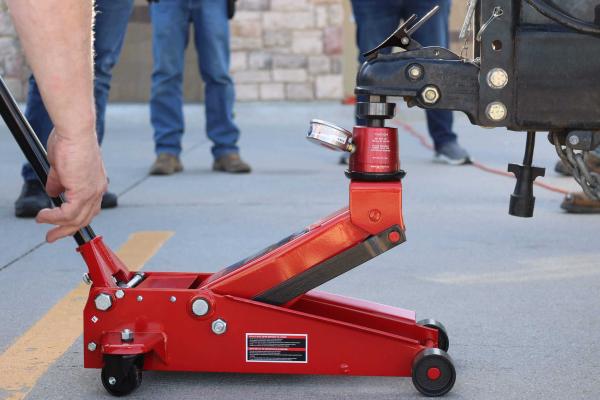
That reading is the tongue weight: the load the trailer puts on the hitch. To measure it, pack the trailer as you’ll tow it, park on level ground and chock the wheels. Follow the instructions for a tongue-weight scale rated for the load, with the coupler supported at its normal towing height. A number from the brochure can’t account for where you packed the cooler.
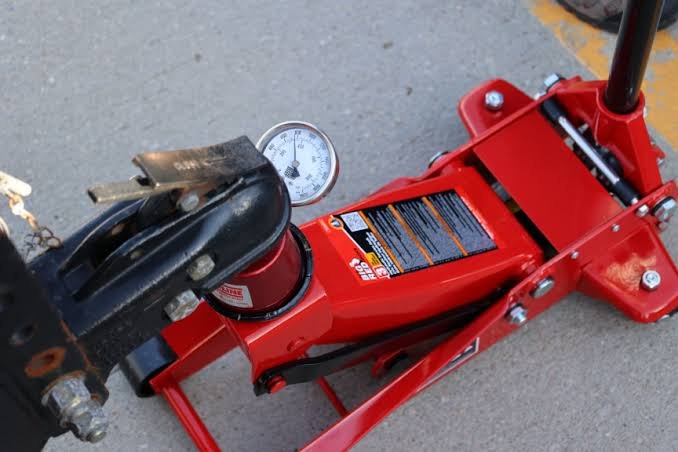
The next number is on the driver’s door jamb. Suppose the payload sticker gives you 1,400 pounds and the loaded trailer puts 650 pounds on the hitch. That leaves 750 pounds for everyone and everything you’re carrying in the truck, including any hitch hardware you’ve added. Four adults can use up most of that before anybody puts a bag in the bed. Suddenly the big towing figure in the brochure feels a little beside the point.
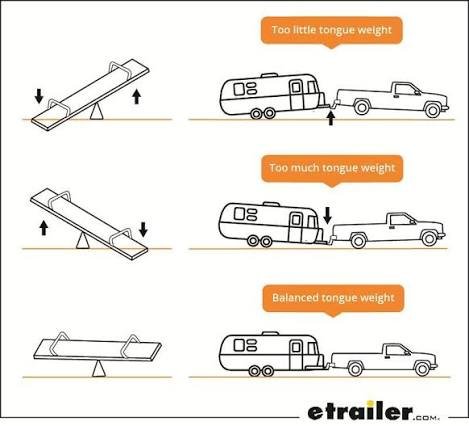
Resist the urge to move everything to the back of the trailer just to get a smaller number. Too little tongue weight can contribute to sway. Check the trailer maker’s guidance for the loaded trailer as well as the ratings for the vehicle and hitch. If those limits leave too little room for the people and gear you’re bringing, some weight needs to come off the setup.
And if you move the cooler again, put the scale back under the coupler. You already know what the trailer weighs. This is where you find out what the truck has to carry.