Nissan plans to reveal its Tesla rival at the 2015 Tokyo Motor Show. In anticipation of that, they posted a series of images and videos of the concept. Nissan says the IDS is the 2nd generation of Leaf and is an all-electric hatchback.
The concept's body is entirely made of carbon fiber and has room for 4 passengers.
One of the cool things is its front grille that looks like blue-ish blocks of ice. The rear gets a spoiler and V-shaped taillights.
The IDS offers 2 modes: Manual and Piloted Drive. The Piloted Drive the seats turn inwards and ambient lights are dimmed.
The Manual Drive turns the driver's seat forward, just like in a regular car, and features an amazing futuristic steering wheel.
The power comes from a 60kWh battery that will allow for better autonomy. The IDS could become the rival of the upcoming affordable Tesla Model 3
After leading the development and expansion of EV technology, Nissan once again stands at the forefront of automotive technology. By integrating advanced vehicle control and safety technologies with cutting-edge artificial intelligence (AI), Nissan is among the leaders developing practical, real-world applications of autonomous drive technology.
After leading the development and expansion of EV technology, Nissan once again stands at the forefront of automotive technology. By integrating advanced vehicle control and safety technologies with cutting-edge artificial intelligence (AI), Nissan is among the leaders developing practical, real-world applications of autonomous drive technology.
After leading the development and expansion of EV technology, Nissan once again stands at the forefront of automotive technology. By integrating advanced vehicle control and safety technologies with cutting-edge artificial intelligence (AI), Nissan is among the leaders developing practical, real-world applications of autonomous drive technology.
After leading the development and expansion of EV technology, Nissan once again stands at the forefront of automotive technology. By integrating advanced vehicle control and safety technologies with cutting-edge artificial intelligence (AI), Nissan is among the leaders developing practical, real-world applications of autonomous drive technology.
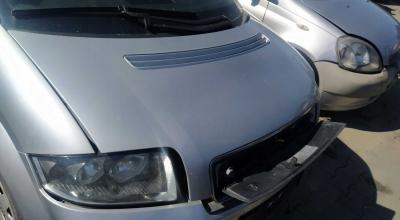
The original Audi A2’s front service flap provided access to its oil dipstick and the filling points for engine oil and washer fluid. More extensive engine access involved removing the bonnet. O
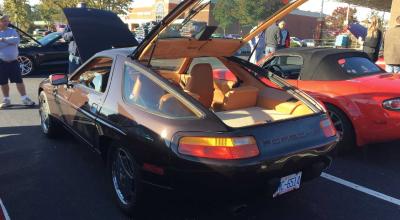
The Porsche 928 had small sun visors near the top of its rear hatch opening, roughly level with the tailgate hinges. They helped shade the rear cabin from sunshine entering through the large, sloping
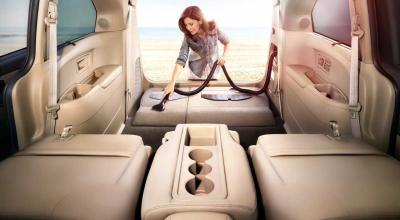
HondaVAC was a factory-installed vacuum offered on selected Honda Odyssey versions. Stored in the rear cargo area, it cleaned up dry dirt and debris using a pull-out hose and attachments. Despite bein
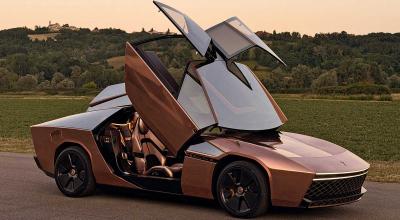
Someone looked at a Maserati GranTurismo and decided it needed a copper skin. Not copper-colored paint, actual copper, hammered by hand and shaped into a one-off body. The result is the Peralta D, the
Toyota apparently looked at five of its SUVs and pickups and thought, “You know what these need? Snow tracks.” The result is the Snowhunter concept family, a collection of machines built t
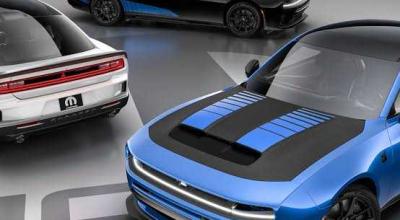
Mopar is turning 90, and its birthday present comes with carbon fiber, a hood scoop, and enough attitude to fill a parking lot. Meet the Mopar '27 Dodge Charger, a limited-edition package that giv
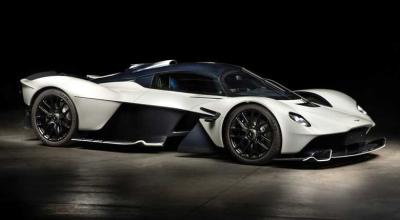
Aston Martin built only 150 Valkyrie Coupes, and getting one new meant having millions to spare. Now, one of these road-going machines is heading to auction with an estimate that could leave its origi
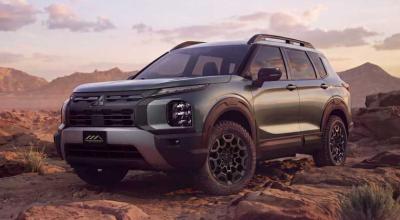
Most Mitsubishi Outlanders spend their lives doing school runs, grocery trips, and the occasional family holiday. The new Diamond Trail Edition, however, looks like it has other plans. Unveiled ahead
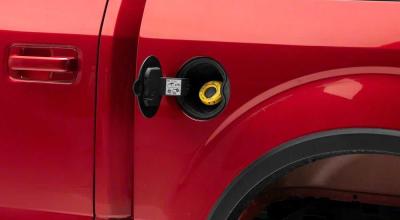
A stuck fuel door may have a manual release accessible from the luggage compartment. First check that the car is unlocked, then consult its handbook for the correct procedure. Some cars have a release
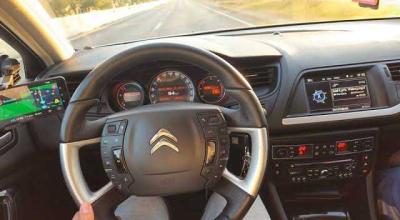
The first-generation Citroën C4 used a steering wheel with a rotating rim and a fixed central section. Keeping the centre stationary meant its controls stayed upright and allowed an airbag design