EPA Rollback Could End Start-Stop Systems In New Cars

by AutoExpert | 16 February, 2026
Start-stop has always been one of those features that splits drivers down the middle. You roll up to a red light, the engine shuts off, and just as you’re about to move again, it kicks back on. Some people don’t mind it. Others absolutely hate it.
Now, that feature could be on the chopping block. The EPA recently announced plans to roll back a series of emissions rules that date back to 2009. Those rules helped push automakers to use fuel-saving tech like start-stop systems by offering regulatory credits.
EPA Administrator Lee Zeldin said the move would undo greenhouse gas standards that followed the original ruling, including credits tied to features like start-stop. He’s been openly critical of the system for a while, claiming it’s something “everyone hates.”
For anyone who’s never paid attention to it, start-stop simply turns the engine off when you’re sitting still and starts it again when you lift off the brake. The idea is to save fuel and cut emissions, especially in city traffic. And it does help - typically improving fuel economy by around 5 percent, sometimes closer to 10 percent in heavy urban driving.
To be clear, the government never forced carmakers to install it. But since companies could earn fuel economy credits for using the technology, it quickly became common across new cars.
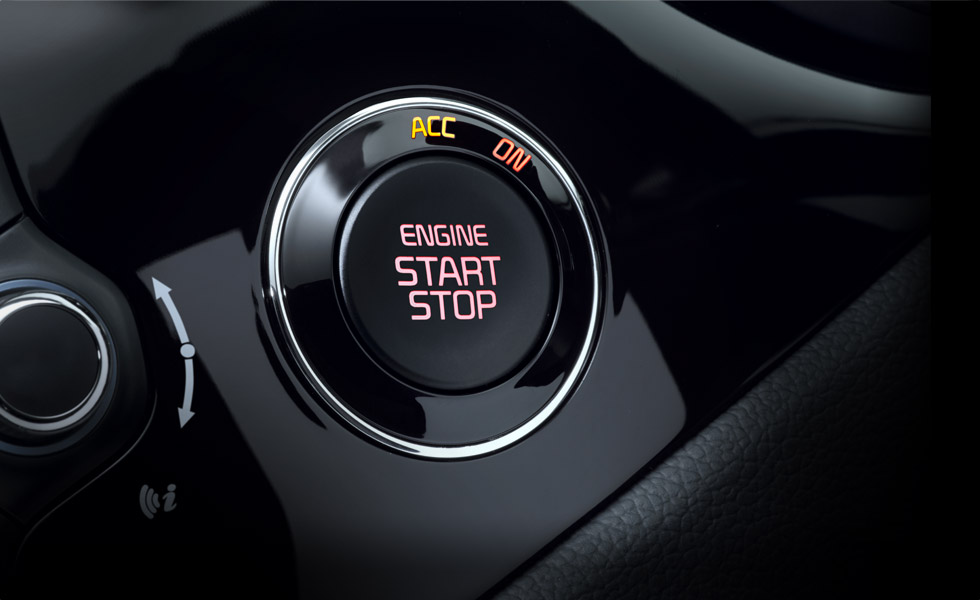
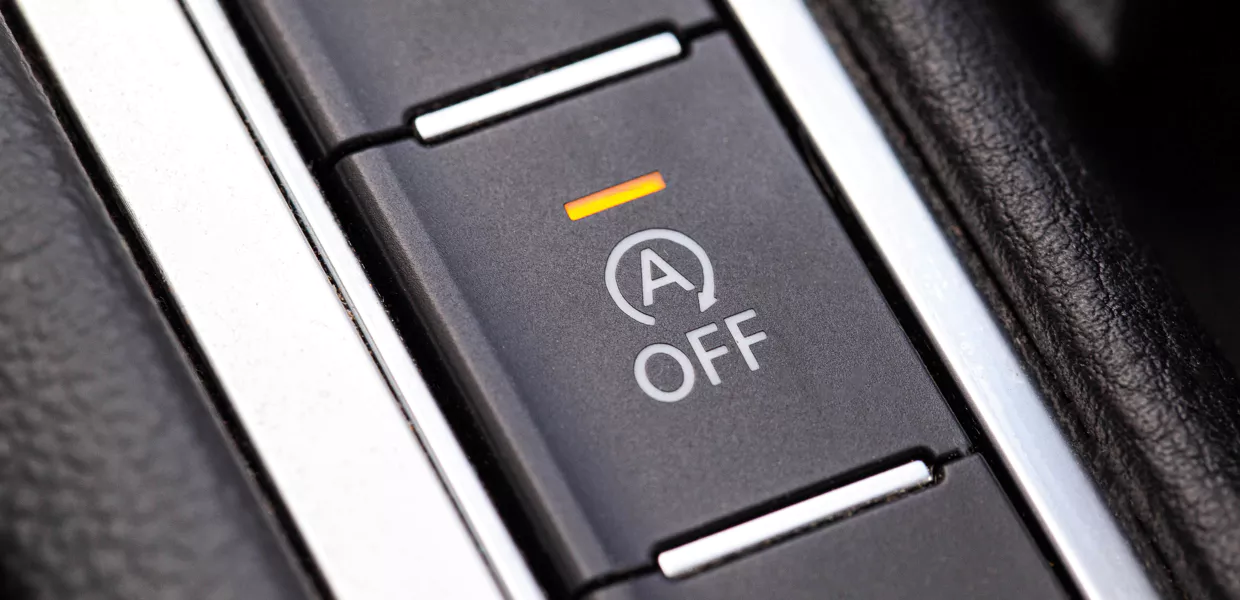
Even if the rules change, start-stop probably won’t disappear overnight. Automakers could keep it but make it default to “off.” Most new cars already have a button that lets you disable it. The catch is you usually have to press that button every time you start the car, which is what annoys a lot of drivers. Not surprisingly, there’s a small market online for plug-in devices that permanently disable the system.
People who dislike start-stop say it feels intrusive and unnecessary. Some just prefer the steady sound of an idling engine. Others worry about extra wear and tear, though manufacturers say modern starters and batteries are built to handle it. Supporters argue it’s a simple way to save a bit of fuel without changing how you drive.