These Wartime Cars Had Furnaces on the Back, and They Really Did Run on Wood
by AutoExpert | 25 September, 2026
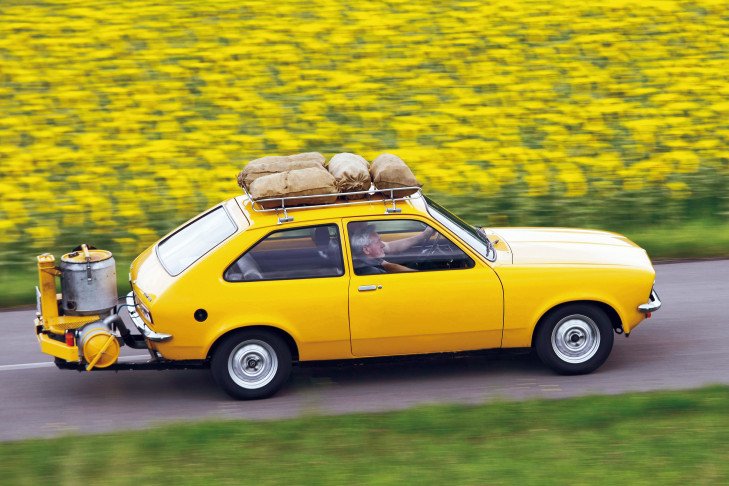
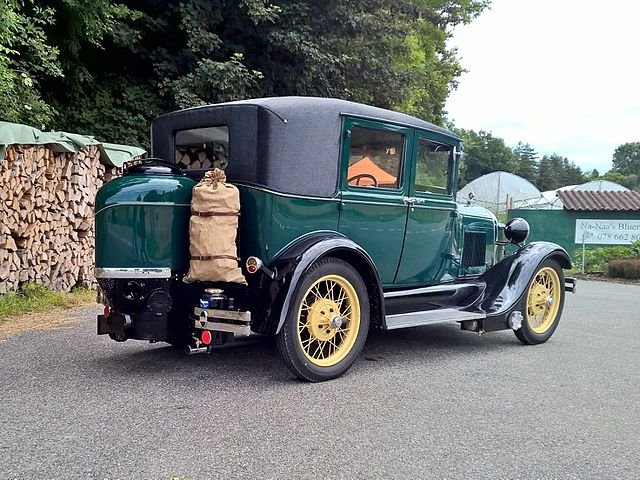
Picture an older car with a large metal cylinder fastened behind its boot. Pipes lead forward, and there may be another conspicuous piece of plumbing where its owner once kept the luggage. The installation looks improvised because, in many cases, getting the car moving mattered more than keeping it handsome.
During the Second World War, gasoline shortages and rationing made wood gas vehicles common across parts of Europe. Cars were converted, along with buses, trucks and tractors. The driver still sat behind a familiar steering wheel, but the journey began with fuel that looked more suited to a stove.
Wood gas cars did not feed logs into a conventional engine. They carried a gasifier that heated wood with a limited supply of air. This produced a combustible gas, often called producer gas, which could be cooled, cleaned and drawn into a modified gasoline engine. Charcoal could serve as fuel too.
The gasifier was the bulky part. Depending on the vehicle, it might hang off the back, occupy much of the luggage space or ride on a trailer. From a distance, some installations resembled an oversized water heater that had somehow become road legal. Engineers had to find space for the gasifier, filters and pipes on a car designed to carry a compact tank of liquid fuel.
A journey began before the engine started
With gasoline, a driver filled the tank and turned the key or worked the starter. A wood gas system needed time to produce usable gas. Fuel had to be loaded, the gasifier brought into operation, and the resulting gas cleaned well enough to keep unwanted particles and tar out of the engine.
That cleaning step was essential. A car engine may tolerate the indignity of a large stove bolted to its bodywork; its internal parts are less forgiving of sticky deposits and dirt. Even when everything worked, wood gas generally delivered less engine power than gasoline. A heavy vehicle climbing a hill had good reason to make its driver miss the old fuel supply. The Food and Agriculture Organization’s technical guide documents the engineering and operating compromises in detail.
There were more serious concerns than a slow hill climb. Producer gas contains carbon monoxide. Starting and shutting down a gasifier could release dangerous gas, while hot surfaces and refuelling introduced fire risks. These were demanding machines to operate, rather than a way to turn an ordinary car into a casual weekend wood burner.
Yet they served a real purpose. A bus running imperfectly on wood could still carry passengers. A truck with reduced power could still deliver supplies. When the usual fuel was scarce or unavailable, reliability meant finding a way to make the trip at all.
Once gasoline became easier to obtain after the war, most drivers had little reason to keep the extra equipment. The warm-up, cleaning, reduced performance and sheer bulk that people had endured through necessity became difficult to justify. Wood gas cars quickly retreated from everyday roads.
Their surviving photographs can look like evidence of an eccentric experiment. They tell a more grounded story: when fuel supplies failed, people found a way to keep familiar vehicles working, even if it meant carrying the fuel system on the outside.