
You Switched Off the Engine, but the Radio Kept Playing. Here Is Why
by AutoExpert | 5 August, 2026
The engine stops. The dashboard goes dark. The radio continues playing as though it has decided the journey deserves an encore.
For a driver unfamiliar with the car, this can produce an immediate return to the start button. Was the vehicle actually switched off? Is it quietly draining the battery? Will it still be playing to an empty parking space three hours later?
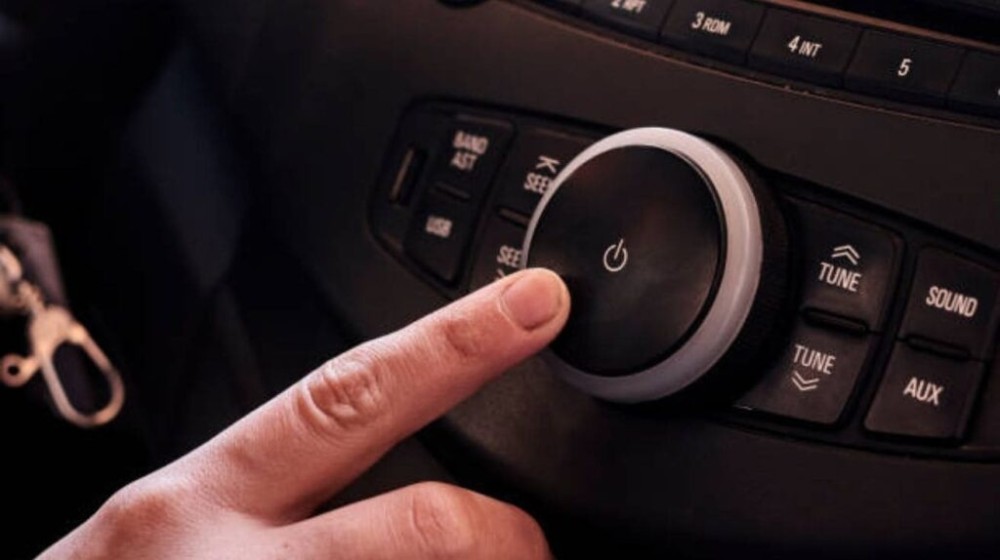
Usually, none of those worries is necessary. Many vehicles are designed to keep certain electrical features working briefly after the engine has been shut down.
The feature is commonly called retained accessory power, or RAP. The name sounds like something invented for a workshop manual because, unsurprisingly, it was. The experience itself is far more ordinary: finish listening to a traffic report, close the windows that everyone forgot about, or complete a phone call before opening the door.
The door is often the real off switch
On vehicles equipped with retained accessory power, switching off the engine begins a countdown rather than cutting electricity instantly. The radio and selected accessories may continue operating for several minutes, although the exact duration and list of active features vary by model.
Opening the driver’s door usually ends the session. Some vehicles respond to any front door, while others use different logic entirely.
Chevrolet describes certain RAP systems as remaining active for approximately ten minutes or until the driver’s door opens. Ford’s support guidance similarly notes that many newer vehicles keep the radio on after the car is switched off and shut it down when a door is opened.
That is why the radio may stop the moment the driver reaches for the handle. It has not sensed that everyone is leaving through some feat of artificial intuition. A switch inside the door latch has reported that the door opened, giving the body-control electronics permission to put the accessories to sleep.
The system is there for convenience, but it also explains why the radio can behave strangely when a door-latch sensor begins misbehaving.
When continued operation is no longer normal
A radio that switches off when the door opens is generally doing exactly what its designers intended. The same is true if it shuts down automatically after the period described in the owner’s manual.
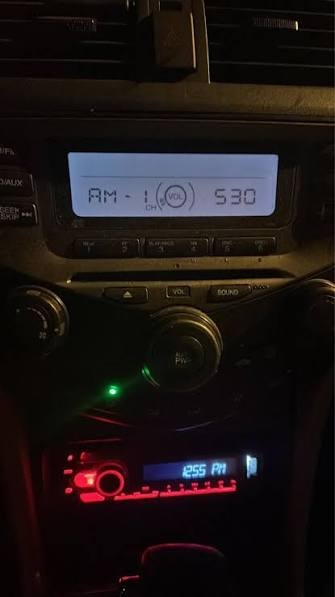
Concern becomes more reasonable when it stays on well beyond that limit, remains active after the car has been locked or continues playing even after the driver’s door has opened and closed.
The humble door-ajar warning can offer a clue. If the car fails to recognize that the driver’s door is open, the radio may never receive its usual shut-down signal. Interior lights, automatic locking and alarm behavior can also be affected because several systems rely on the same latch information.
Software faults, an incorrectly installed aftermarket stereo or a wiring problem can produce similar symptoms. So can an accessory mode that was selected accidentally instead of a complete shutdown.
Before reaching for tools, it is worth trying a clean sequence. Switch the vehicle off, open the driver’s door, close it, lock the car and wait a couple of minutes. Watch whether the display and illuminated controls go dark. Check for a door-open message and repeat the test with another door if the manual says that any door should cancel retained power.
Remember that a screen going black does not prove every circuit has shut down. Some power outlets are designed to remain live, while control modules may continue performing background tasks before entering sleep mode. Modern cars rarely become electrically silent the instant the driver walks away.
The owner’s manual settles the argument
Retained accessory power is not identical across brands, models or even equipment levels. One car may keep only the infotainment system alive. Another may also allow the windows, sunroof or wireless charger to work. A third may cancel everything as soon as the ignition is switched off.
The owner’s manual should identify the accessories involved and the normal time limit. That information provides a much better benchmark than waiting beside the car and wondering whether the radio has developed separation anxiety.
If the system follows the manual, the music is simply enjoying its allotted final minutes. If it ignores the door, outlasts the timer and repeatedly leaves the battery weak, the encore has gone on too long.