Your Seat Belt Hangs Loose, but the Retractor May Not Be the First Thing to Blame
by AutoExpert | 30 September, 2026
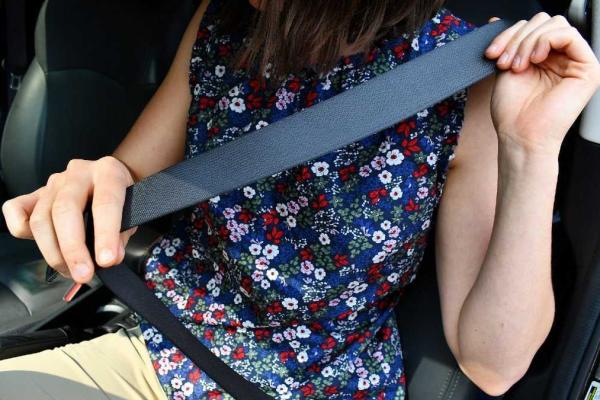
You unbuckle, open the door and feel the seat belt brush against your leg. It should have disappeared toward the pillar, but half of it is still hanging beside the seat. Give it a little help and it winds in. By the next trip, it has done the same thing again.
It is tempting to conclude that the spring inside the retractor is worn out. That is possible, but the belt has a longer journey than it appears to. Before the webbing reaches the reel, it passes through the shoulder guide above the occupant. Dirt there can create enough drag to slow it down.
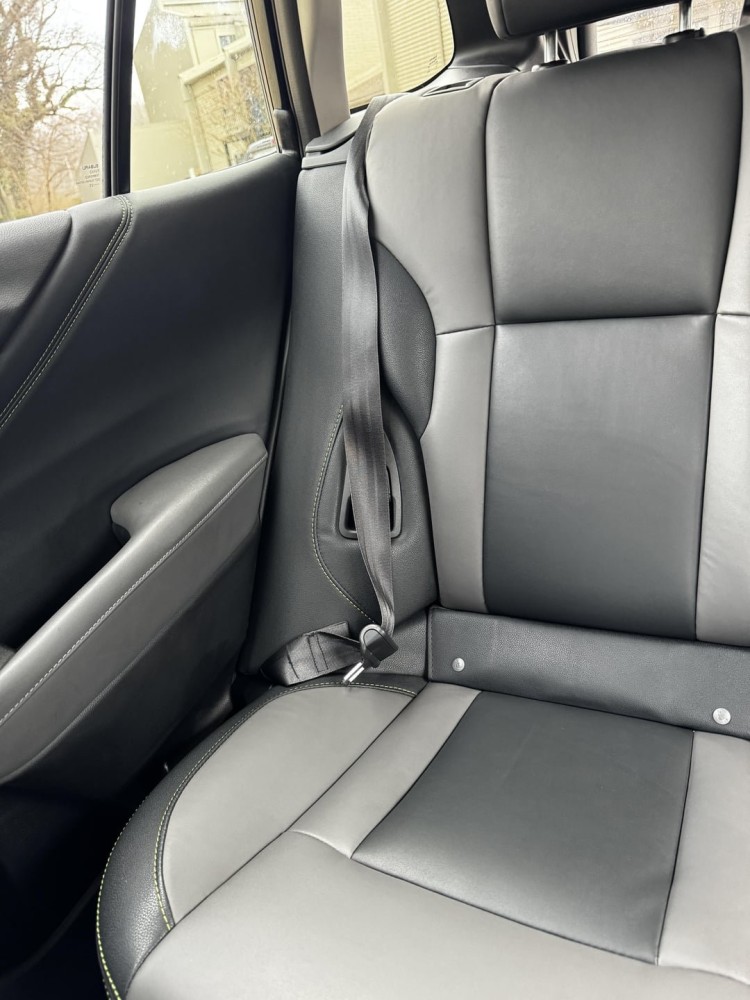
Nissan’s seat-belt maintenance guidance specifically tells owners to check the shoulder guide when a belt retracts slowly. A March 2024 Honda service notice for certain Civics likewise identifies contamination on the webbing and its guide as a cause of slow or incomplete retraction.
Start with what can be seen without taking anything apart. Is the belt twisted? Has it slipped behind trim or caught under the seat? Does the fabric feel stiff or dirty where it passes through the upper guide? Look along the webbing for fraying, cuts or worn edges as well. Damage changes the task from cleaning to having the restraint inspected and replaced as the manufacturer directs.
Cleaning requires a gentle hand
If the belt is intact and dirt is the apparent problem, follow the cleaning instructions for that vehicle. Nissan advises wiping its shoulder guide with a clean, dry cloth. For the webbing, its manual permits a mild soap solution or a cleaner recommended for upholstery or carpet, followed by wiping and drying in the shade. It says the belt should not retract into its housing until it is completely dry.
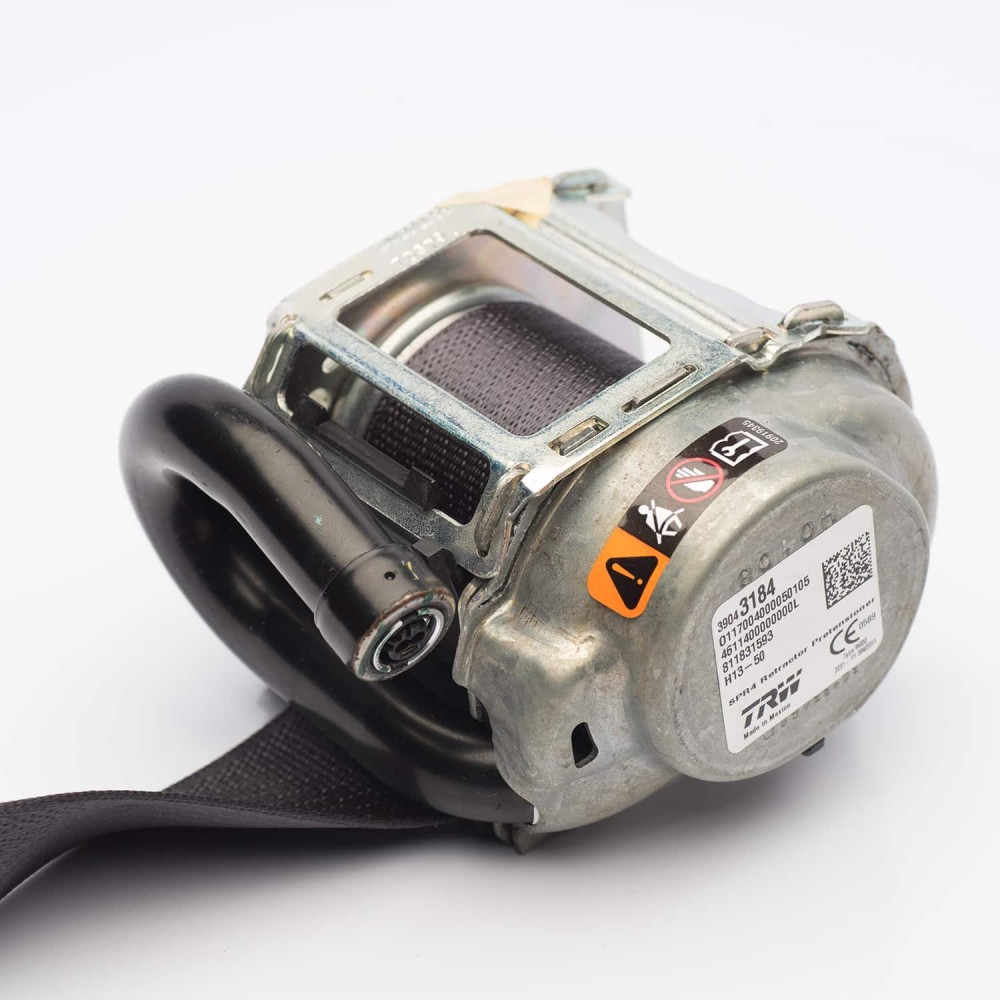
Honda’s notice illustrates why a car’s own instructions matter. For the affected 2022–24 Civics, Honda specifies a diluted neutral detergent and a cotton rag, and warns against microfiber because it may damage the belt’s surface treatment. A cleaner or method suitable for one model should not automatically become a rule for every belt.
After cleaning, let the belt dry as directed and check whether it returns smoothly. If it still hangs loose, pulls unevenly or fails to sit correctly across an occupant, have the restraint system inspected. A weak retractor, damaged guide or other fault will not be cured by another round of wiping. Nissan also calls for replacement of the assembly when the belt has cuts, deterioration or other damage.
There is one other behavior worth distinguishing. On some passenger belts, pulling the webbing all the way out engages a locking mode used when securing a child restraint. The belt may then ratchet inward and refuse to extend again until it has fully retracted. That is a different symptom from a belt that struggles to wind itself in; the Hyundai owner’s manual describes how its system switches between those modes.
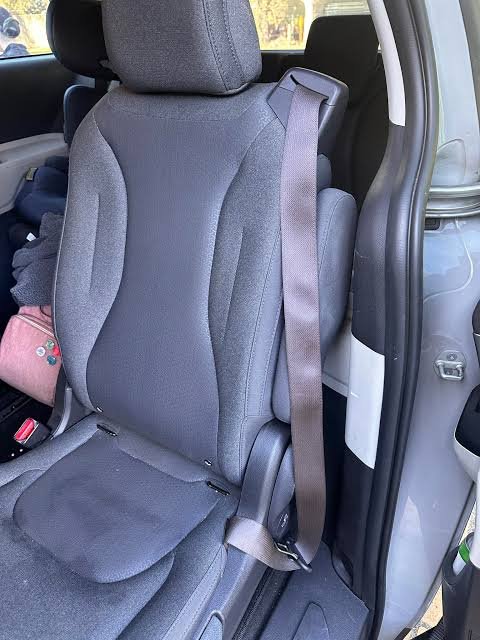
A belt that buckles is only doing part of its job. It must also move freely and settle where it belongs. Sometimes the obstruction is no more dramatic than grime at the shoulder guide, but a belt that remains loose deserves a proper repair.