
The Tire Shop Finished the Job, but Your Wheel Nuts May Need One More Check
by AutoExpert | 4 August, 2026
The tires are new, the wheels are back on and the invoice is folded into the glovebox. Before handing over the keys, the technician mentions one final detail: come back after a short period of driving to have the wheel nuts checked.
It sounds like the sort of cautious suggestion everyone nods at and almost nobody puts in the calendar.
After all, the nuts were just tightened. Why would they need attention again?
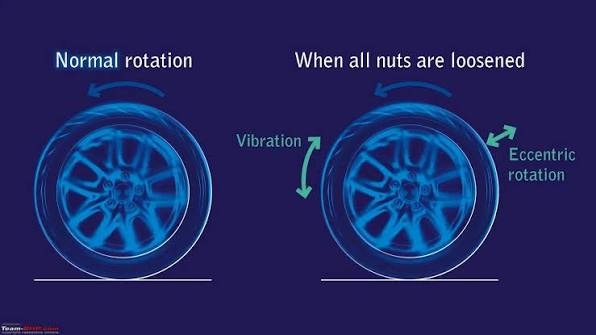
Because a wheel can settle after installation. Tiny changes where the wheel, hub and fasteners meet can alter the clamping force established when the nuts were first torqued. That does not happen to every wheel, and not every manufacturer calls for a follow-up check. When a recheck is recommended, however, it should not be treated as optional small print.
Retorquing does not mean making the nuts tighter
This is where the language causes trouble.
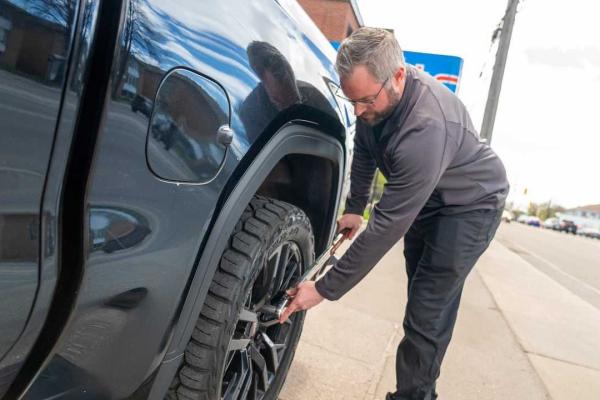
To retorque lug nuts after tire change does not mean leaning on a longer wrench until every nut is tighter than before. It means checking each fastener with a correctly set torque wrench and confirming that it meets the specification supplied for that vehicle and wheel.
That specification matters because the wheel is held against the hub by clamping force. Too little can allow movement. Too much can stretch studs, damage threads, distort mounting surfaces or make a roadside wheel change nearly impossible.
The strongest person in the parking lot is not a measuring instrument.
An impact wrench is not one either. It is excellent at removing fasteners and quickly running them into place, but its noise and enthusiasm do not prove that the final torque is correct. A calibrated torque wrench provides the measurement.
Why the first few miles matter
The mating surfaces between the wheel and hub are expected to sit flat and clean. Rust, paint, dirt or other material can interfere with that contact. Even when everything is prepared properly, small surface irregularities may settle once the wheel begins carrying the car through real braking, cornering and road impacts.
Some wheel and vehicle manufacturers therefore call for the torque to be checked after a stated distance. The interval varies. One instruction may say 50 miles, another 100, while many ordinary passenger-car manuals may not specify a routine recheck at all.
Continental explains retorquing as a follow-up check after the wheel has had time to settle. Some Ford wheel instructions call for the nuts to be checked again within 100 miles.
The correct answer therefore comes from the vehicle manual, the wheel manufacturer or the installer’s documented instructions. A universal internet number is not a substitute.
Aftermarket wheels deserve particular care because their material, finish, hardware and seating design may differ from the original equipment. Seasonal wheel changes also create repeated opportunities for rust or debris to affect the mounting surfaces.
More torque is not extra insurance
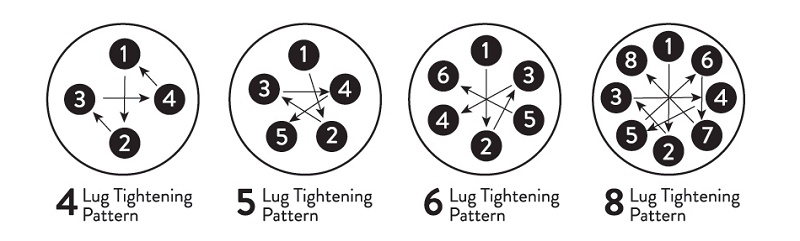
Wheel nuts are generally tightened in a star or cross pattern so the wheel seats evenly against the hub. They are brought up to specification progressively rather than tightened fully one after another around the circle.
Thread condition matters as well. Unless the manufacturer specifically requires a lubricant or other treatment, adding oil or anti-seize can change the relationship between the torque applied and the clamping force produced. A familiar torque value used on lubricated threads may create much more tension than intended.
This is one reason casual driveway retightening can go wrong. A person checking the nuts without the correct specification, tool or thread instructions may do more harm than good.
Many tire shops perform the follow-up check quickly and without charge. It is worth asking before leaving, particularly if the invoice or wheel paperwork mentions retorquing.
Do not wait for the scheduled check if something feels wrong
A routine torque recheck is preventive. Unusual symptoms after a wheel has been removed require immediate attention.
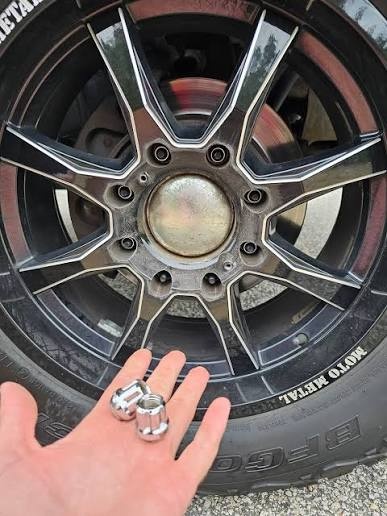
Stop driving safely if there is new clunking, clicking, wobbling or severe vibration. The same applies if the steering suddenly feels unstable or a wheel appears to move abnormally. Do not continue to the shop merely because the recheck appointment is several days away.
Fresh vibration can have other causes, including poor wheel balance or a tire that has not seated correctly, but loose wheel hardware is serious enough to rule out first.
A tire change feels complete when the car rolls out of the service bay. Sometimes it is. Sometimes the last step comes after the wheels have covered a little distance and settled into place.
If the installer asks for one more five-minute visit, put it in the calendar. The wheels have already been trusted with far more important journeys.