The Paint Looks Bumpy in the Sun. Does That Mean the Car Was Repainted?
by AutoExpert | 24 September, 2026
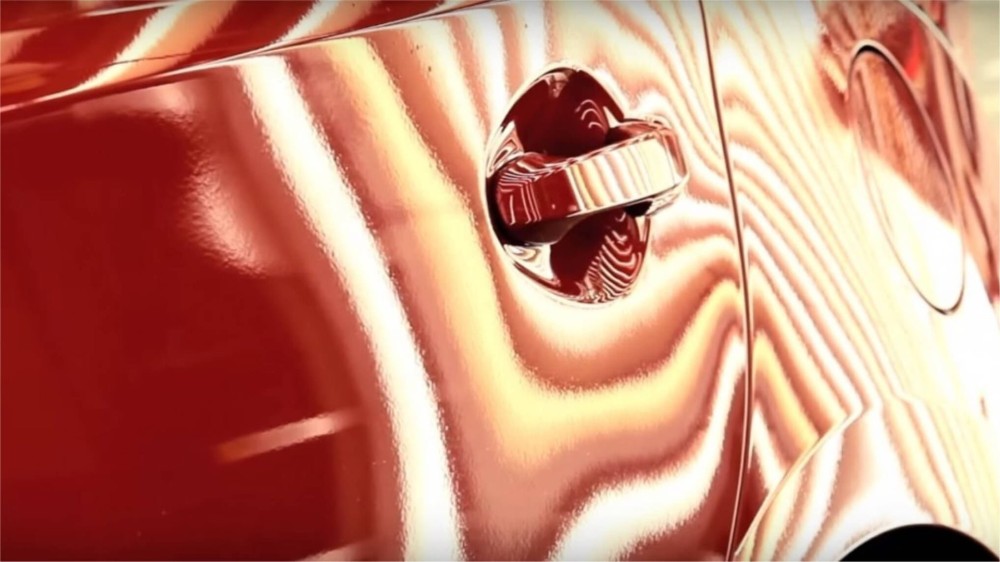
A freshly washed car can reveal things its owner had never noticed. Park it near a window or a row of straight lights, look along the side, and the reflection begins to wobble. The paint is glossy, the color looks fine, yet its surface has the faint texture of an orange rind.
That texture has a name: orange peel. It develops when sprayed paint does not flow into a perfectly level film. Paint maker PPG lists several factors that can affect the result, including spray setup, film thickness and temperature. The amount visible on a finished vehicle can vary.
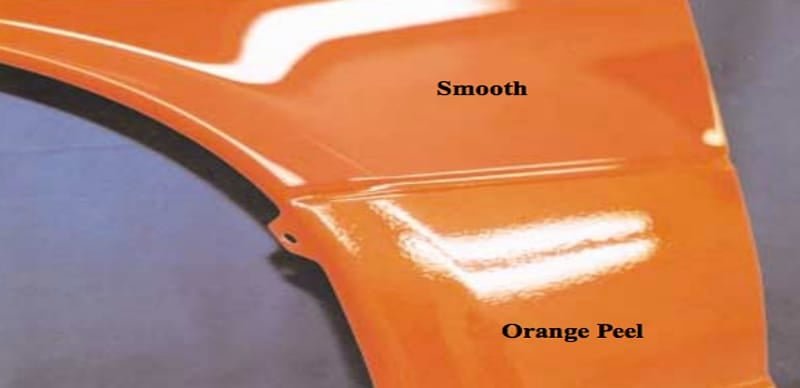
Seeing orange peel on a used car does not, by itself, uncover a secret collision. Factory paint can have texture too. 3M’s guidance for repair shops even tells painters to match the surrounding factory orange peel so a repaired panel blends in. A mirror-smooth door beside more textured factory panels could therefore deserve as much attention as an unusually rough one.
Read the whole car, not one reflection
When inspecting a car, start with clean panels in good daylight. Move your head and watch how a straight reflection travels across each door, fender and quarter panel. Then compare neighboring areas. A sudden change in texture may justify a closer look, particularly if the color or gloss changes at the same boundary.
Other clues help build a fuller picture. Check the edges of doors and the openings around the trunk and hood for overspray or an abrupt paint edge. Look for disturbed fasteners, uneven panel gaps and differences between the seller’s account and the repair records. None is a verdict on its own. A professionally repaired scratch can leave a repainted panel without implying serious structural damage; an accident repair can also be difficult to spot by eye. If the car is a significant purchase, an independent inspection can settle questions that reflections cannot.
A plastic bumper may look a little different from a metal panel even on a car with an honest history, so comparisons are most useful between similar nearby surfaces. It also helps to remember what orange peel actually describes: surface texture, rather than rust, peeling clear coat or a bubble lifting from beneath the paint. Those are different problems and call for different questions.
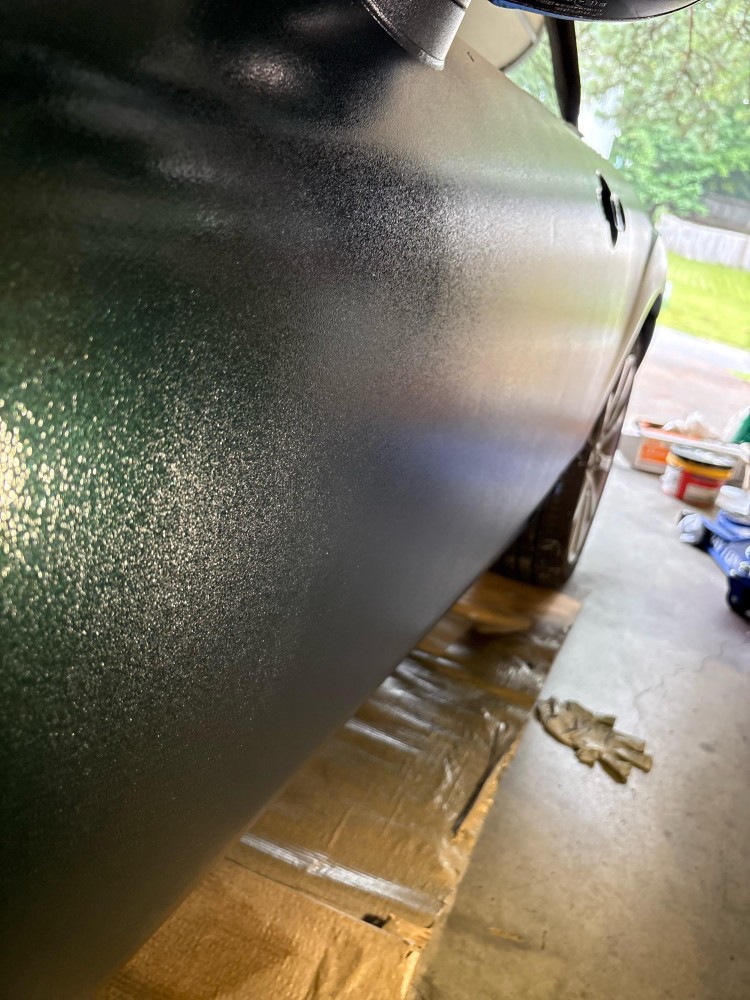
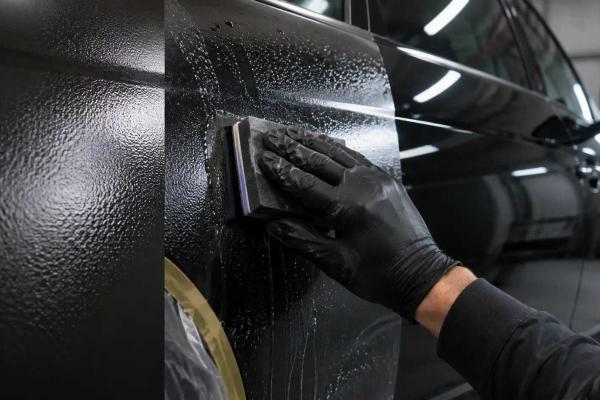
If the texture bothers you on a car you already own, resist the temptation to attack it with a bottle of polish. Polishing can improve gloss and fine marks, but flattening pronounced orange peel generally involves removing material from the paint surface. PPG describes rubbing out the texture and then polishing, with more severe cases requiring refinishing. That is work to discuss with a skilled paint professional, especially when nobody knows how much clear coat remains.
A wavy reflection can be useful evidence. Its value comes from what you see beside it, beneath it and in the vehicle’s records. On its own, orange peel is simply a reminder that even a shiny car was painted by a process with texture.