One Foggy Stripe Across Your Rear Window Can Reveal a Tiny Electrical Break
by AutoExpert | 11 August, 2026
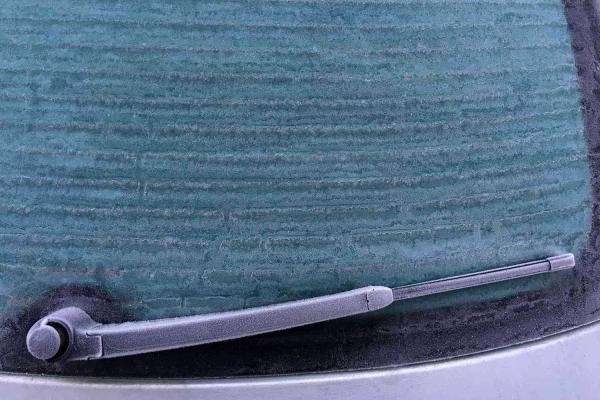
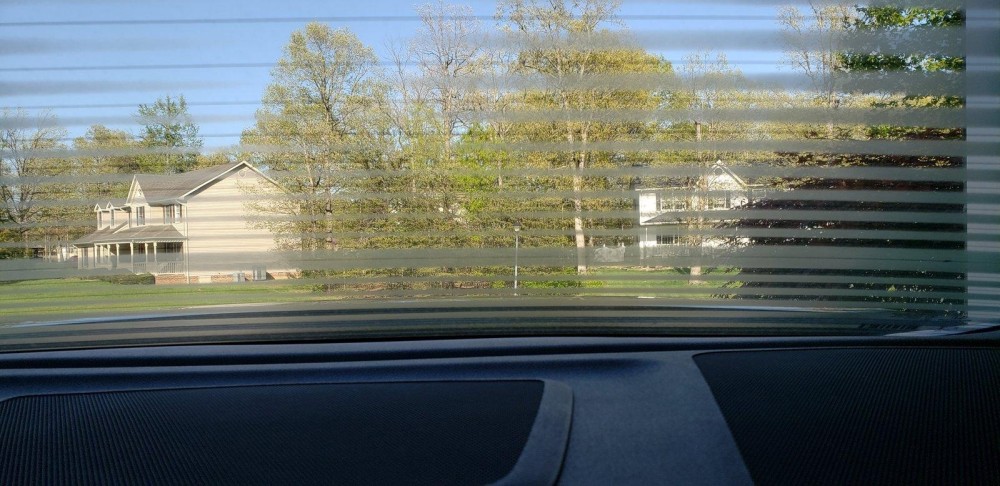
On a cold morning, the rear window begins clearing as expected. Most of the condensation disappears, but one neat horizontal stripe refuses to move.
That stripe is useful evidence. The window has practically drawn a line around the problem.
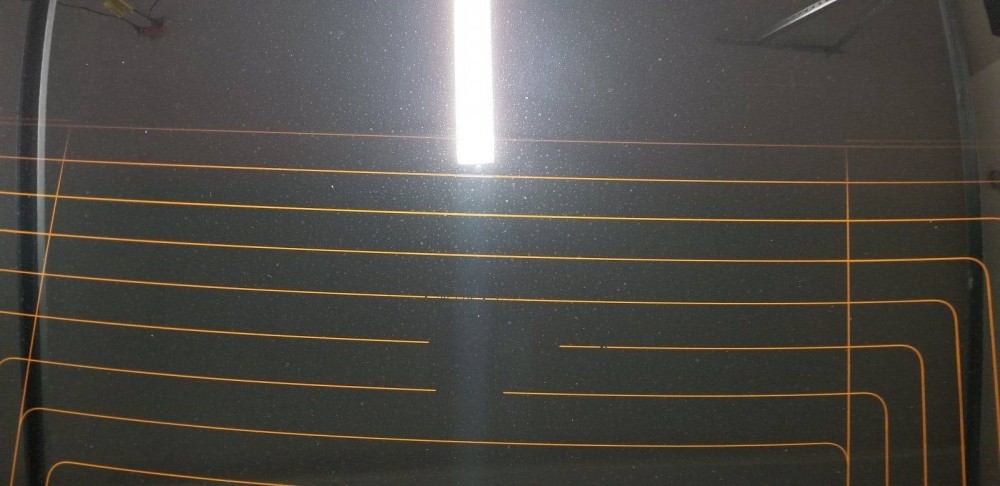
Those thin brown or orange tracks running across the glass form an electrical heating grid. Switch on the rear defroster and current passes through them, creating enough heat to clear mist, frost and light ice. Each horizontal line acts as part of the working circuit.
Scratch through one of those lines and current can no longer travel across it. The rest of the window clears while a narrow band stays foggy.
For once, a car fault has the courtesy to point directly at itself.
Delicate wires hiding in plain sight
Rear defroster lines look baked permanently into the glass, but many grids sit on the interior surface where they can be damaged. A metal scraper, abrasive cleaning pad or carelessly loaded piece of cargo may cut through a line.
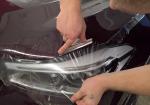
Window tint removal is another common culprit. Pulling film away aggressively or scraping adhesive with a blade can lift sections of the conductive material. Stickers placed across the grid can cause similar trouble when removed.
Even ordinary cleaning deserves a little care. Several manufacturers tell owners to wipe the inside of the rear window from side to side, following the lines rather than rubbing across them. A soft cloth and an approved cleaner are far kinder than an abrasive pad used with the determination usually reserved for kitchen cookware.
One broken line usually leaves one uncleared stripe. A window that stays completely fogged suggests a wider problem, such as a blown fuse, failed switch, relay fault, loose connector or detached power tab at the edge of the glass.
The grid can also clear slowly when the battery voltage is low or the electrical connection has developed resistance. That symptom needs more investigation than a single crisp stripe.
Finding the break
Start with a careful visual inspection in good light. Look along the failed line for a scratch, pale gap or section that appears thinner than the rest. Viewing the glass from different angles can make a tiny break easier to see.
The interruption may be barely wider than a hair. Mark its position on the outside of the glass with removable tape so it can be found again without repeatedly touching the grid.
Technicians can locate less obvious breaks with a voltmeter or test lamp designed for defroster diagnosis. The voltage changes as the probe crosses the damaged section. Anyone unfamiliar with electrical testing should leave that process to a professional, since dragging a sharp probe along the grid can create a second fault while searching for the first.
If several neighboring lines have stopped working, inspect the vertical bus bars at the sides of the glass. These heavier conductive strips feed the horizontal elements. Damage there can affect a larger section of the window.
A detached electrical tab can disable the entire grid. It may look as though it should be glued back with ordinary adhesive, but that connection needs to conduct electricity and survive repeated heating cycles. Household glue can hold the tab physically while leaving it electrically useless.
Can the line be repaired?
Small breaks can often be repaired with a conductive defogger-grid product. These kits typically include conductive paint or resin and a stencil that helps recreate the narrow line across the damaged area.
Preparation matters more than artistic confidence. The glass must be clean, the break identified accurately and the repair allowed to cure for the full period specified by the manufacturer. Switching on the defroster too soon may ruin a repair that looked perfect five minutes earlier.
A detached power tab requires a conductive adhesive intended for rear-window defrosters. Soldering directly to automotive glass carries a real risk of heat damage and belongs in experienced hands.
Larger areas of missing grid, extensive tint-removal damage or faults inside laminated glass may make professional repair the better choice. In some cases, replacing the glass becomes the only reliable answer, particularly when the grid is integrated in a way that cannot be restored neatly.
Also remember that rear glass can carry more than the defroster. Depending on the vehicle, some printed elements may form part of the radio antenna. A reception problem appearing after tint work or glass damage may therefore be related.
Protecting a working grid
Keep hard cargo away from the rear window. Avoid attaching suction cups, hooks or adhesive accessories directly over the lines. During winter, let the heater loosen ice rather than attacking the inside of the glass with a scraper.
When removing tint, choose an installer familiar with heated rear glass. Saving the film while destroying the grid would be an impressive solution to the wrong problem.
A single foggy stripe rarely means the whole window has failed. More often, one tiny scratch has interrupted one tiny circuit.
The glass has already shown where to begin looking.