

A Metal Valve Cap Looks Harmless Until It Seizes Onto Your Tire Valve
by AutoExpert | 28 September, 2026
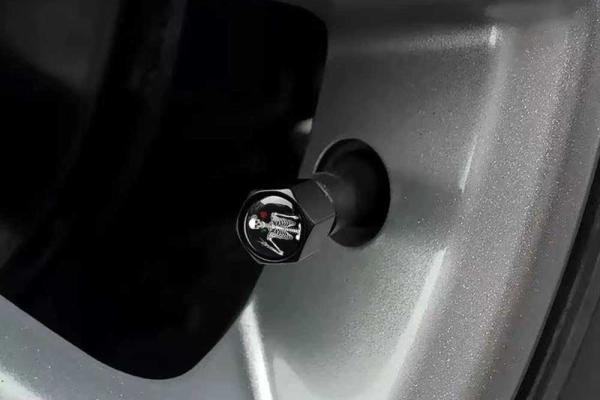
Tire valve caps have a talent for disappearing. One drops beside the air pump, another vanishes during a tire change, and the next set you find online looks far nicer than the little plastic ones the car came with. Swapping them over takes seconds.
On some wheels, that small upgrade can cause an irritating problem months later. The cap will not come off when you need to add air.
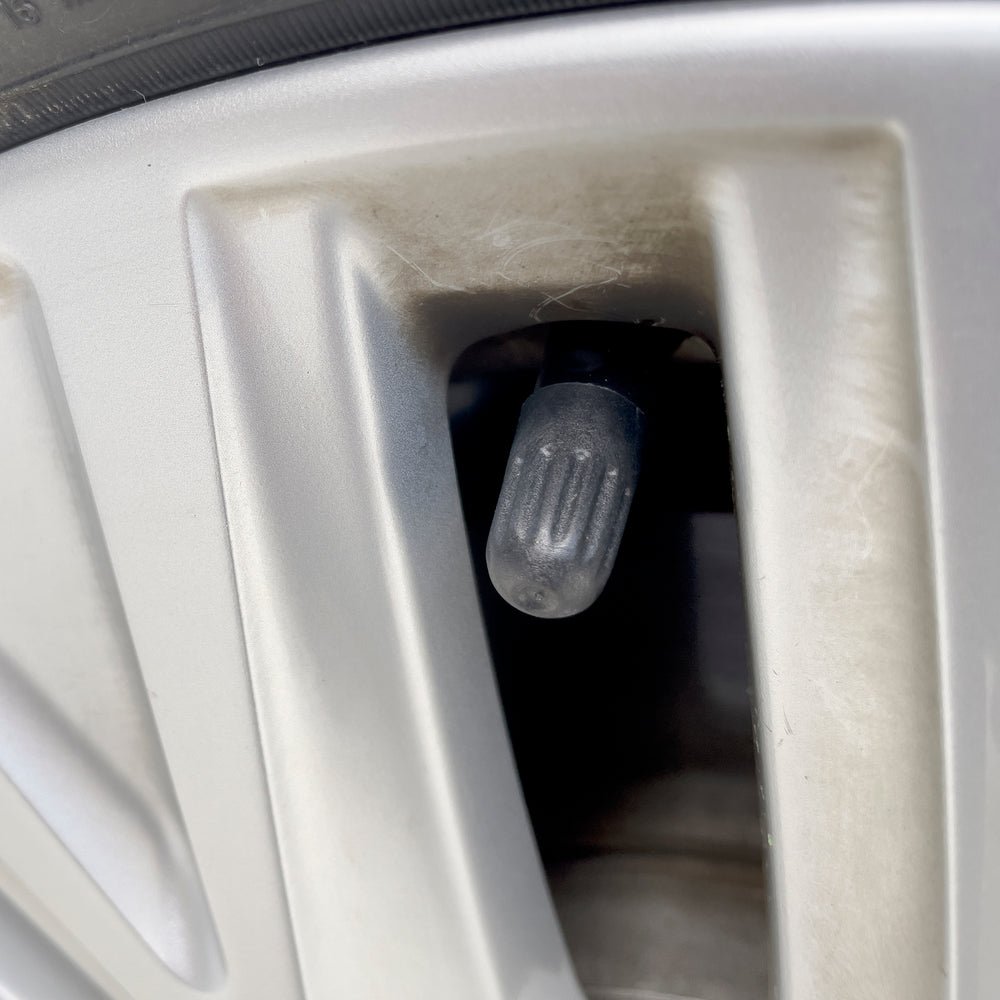
The issue concerns certain tire pressure monitoring system valves with aluminum stems. A TPMS sensor can be attached to a metal valve stem that passes through the wheel. If an incompatible metal cap contacts that aluminum and moisture gets into the joint, galvanic corrosion can develop. The cap may gradually seize onto the stem.
TPMS supplier Schrader specifically warns that a dissimilar metal cap, such as one made from brass, can become stuck to an aluminum stem. Its guidance calls for a suitable plastic replacement cap on those valves and cautions against using metal gripping tools to force a stuck cap loose.
That does not mean every metal cap is unsuitable, or that every car with a tire pressure warning system has an aluminum valve. TPMS hardware varies. Some sensors use rubber snap-in stems; others use aluminum clamp-in stems. The right cap depends on the valve fitted to the wheel and the materials approved for it.
Why a tiny cap matters
A cap helps keep water, road salt and grit away from the valve core. On some TPMS valves it also contains a seal designed to provide extra protection against contamination. Replacing it with whatever happens to be in a packet at the checkout can sacrifice that useful little detail.
The trouble often becomes apparent at an inconvenient moment. You pull into a filling station because a tire looks low. The cap will not turn by hand. Pliers are tempting, but the valve stem is more delicate than it looks. Enough force can damage it, potentially turning a cap problem into a valve or sensor repair.
Schrader notes that repair options vary with the sensor design. Some valve stems can be serviced separately, while a damaged stem permanently attached to the sensor body may require replacement of the sensor. The tire shop needs to identify the part before anyone promises a cheap fix.
If you are shopping for replacement caps, check the type of valve on your wheels and choose caps specified as compatible with it. Keep a good seal where the valve design calls for one, and tighten caps by hand. If one is already firmly stuck, ask a tire professional to inspect it rather than trying to win an argument with it at the air pump.
The plastic originals rarely add much to a wheel’s appearance. They are easy to overlook for that very reason. Sometimes the least impressive part of the car is doing exactly the job it should.