This Tiny Car Had Four Reverse Gears Without a Reverse Gear
by AutoExpert | 30 September, 2026
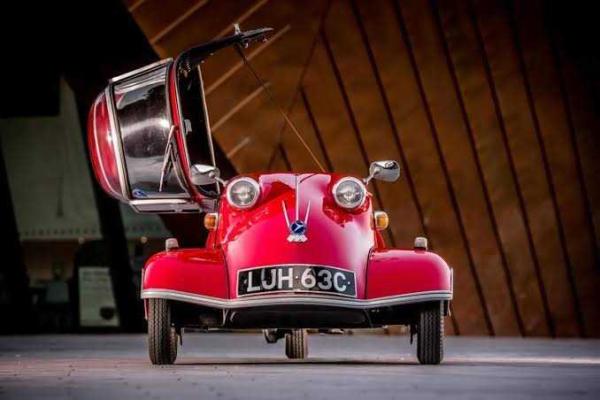
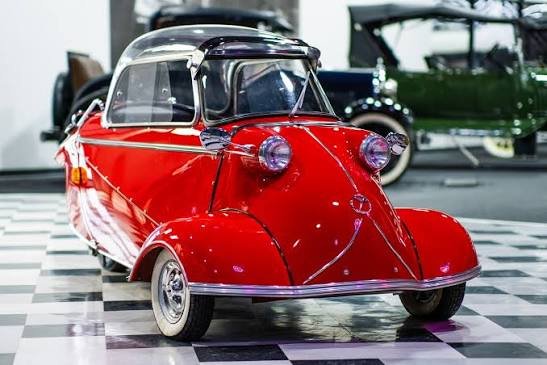
The Messerschmitt KR200 looks as though it ought to have a pilot rather than a driver. Its two occupants sit one behind the other beneath a clear canopy, with the little engine tucked behind them. Then comes the detail that makes its aircraft-like appearance seem almost ordinary: to reverse, you stop the engine and start it again backward.
The three-wheeled KR200 arrived in 1955, developed from a smaller machine designed by aircraft engineer Fritz Fend. Its 191cc Fichtel & Sachs engine powered a car small enough to make most parking spaces look generous. The gearbox offered four forward ratios, but it had no separate reverse gear to select.
So what happened when the driver needed to back out of a space?
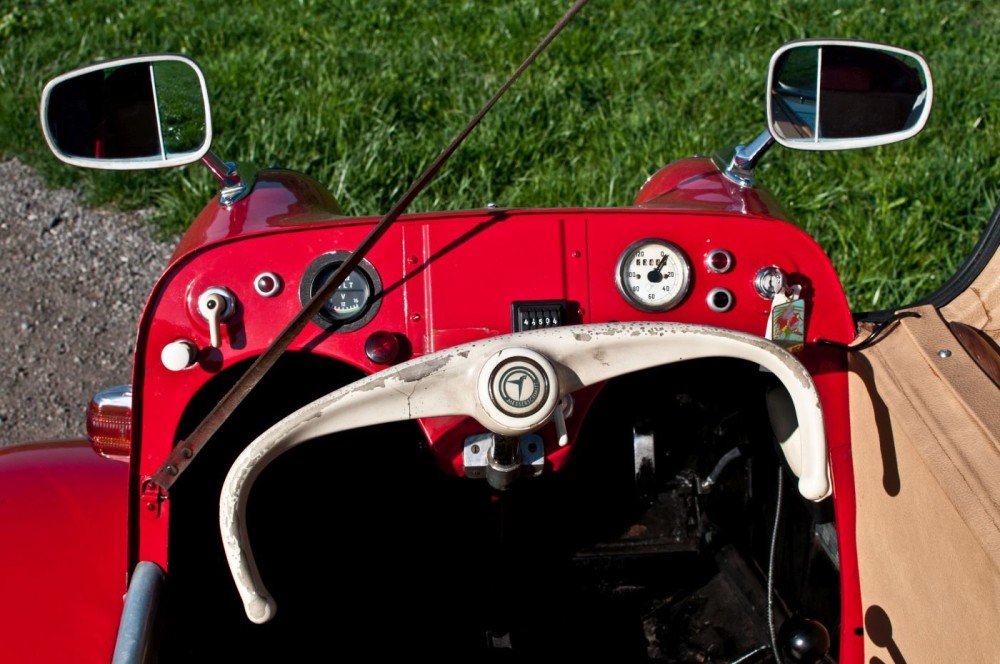
On the KR200, the engine could be restarted in the opposite direction using a different ignition setting. It had separate contact-breaker points for forward and reverse running. With the engine turning backward, the drive to the rear wheel turned backward too. The gearbox itself remained the same, which meant its four ratios were available whichever way the engine was running. The Franschhoek Motor Museum’s account describes the driver stopping the engine and pushing the key farther into the ignition switch to start it for reverse operation.
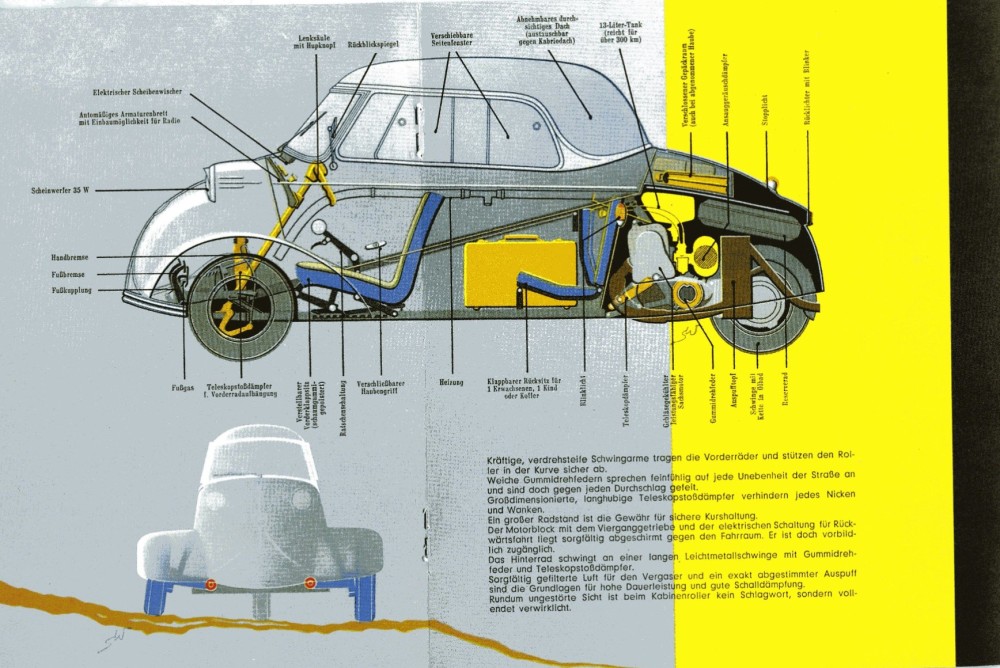
That distinction matters. The KR200 did not have four additional sets of reverse gears packed into its tiny transmission. It could use its existing four gears while travelling backward.
A clever answer to a very small car
The arrangement suited a lightweight microcar built around a single-cylinder two-stroke engine. Instead of finding room for a conventional reversing mechanism in the gearbox, its designers made the engine capable of running both ways. The Messerschmitt Foundation of Great Britain lists the four-speed hand-operated gearbox and the engine’s bidirectional starting among the specifications of its surviving 1958 example.
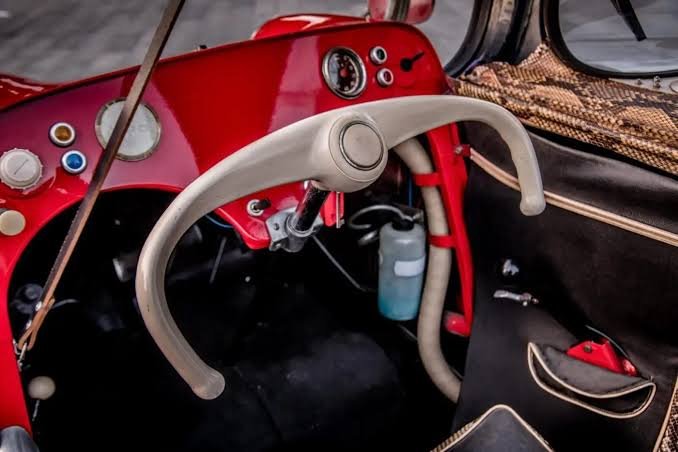
It also demanded more ceremony than shifting a modern car into R. The driver had to come to a stop, switch off, restart in reverse and choose a gear. After backing up, the process had to be repeated to travel forward again. A quick three-point turn was never going to be especially quick.
Four reverse ratios naturally invite jokes about how fast the car could go backward. The mechanical possibility should not be mistaken for a sensible driving technique. What makes the KR200 fascinating is the solution itself: a car that changed direction by changing the direction of its engine.
Modern reverse gear is so familiar that it barely earns a thought. In the Messerschmitt, even leaving a parking space offered a short lesson in how inventive a small car could be.