DoorDash Is Easy to Start. Figuring Out Whether It’s Worth It Is the Real Problem
by AutoExpert | 11 August, 2026
There is a reason people are suddenly Googling “side hustle” like it is a survival skill.
It is not because everyone secretly dreams of spending Friday night delivering burritos to someone who refuses to answer their apartment buzzer. It is because bills are up, wages feel tight, hours are not always guaranteed, and a lot of people are looking at their paycheck thinking, “Okay, that is not going to be enough.”
That is where DoorDash starts to look tempting.
The pitch is simple. Sign up, get approved, turn on the app, take deliveries when you have time, and make extra cash around your real life. No boss hovering over your shoulder. No fixed schedule. No awkward interview where someone asks where you see yourself in five years. Just you, your phone, your car, and a stream of people who want tacos without leaving the couch.
And honestly, that flexibility is the best part.
Becoming a DoorDash driver, or Dasher, is not especially hard. In most states, you need to be at least 18. Some states set the age higher. California requires drivers to be 21, while places like Arizona, Colorado, Florida, Georgia, New Jersey, Texas, Utah, and several others set the minimum at 19. You also need a working iPhone or Android, and DoorDash does not allow jailbroken phones.
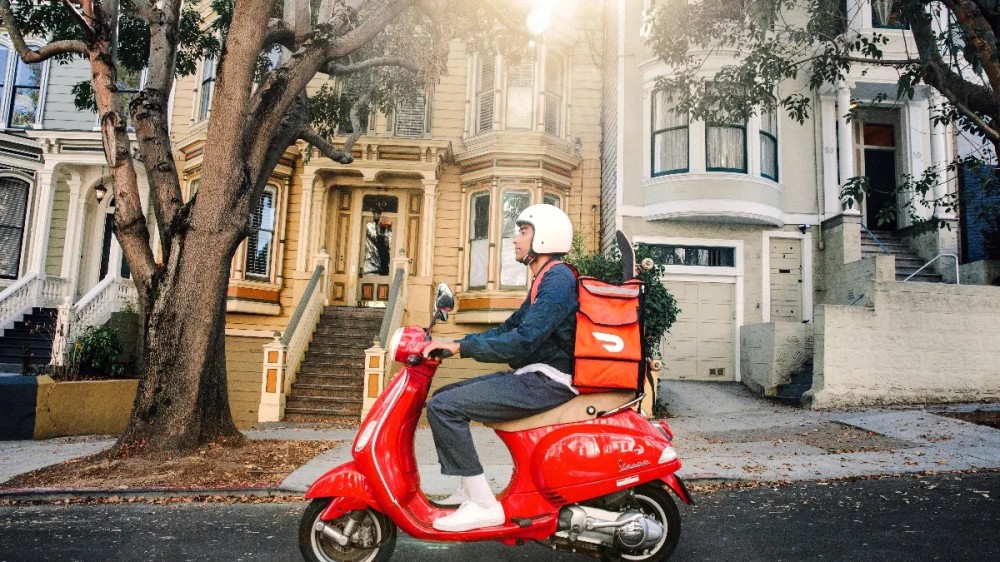
If you plan to deliver by car, you will need a valid driver’s license and personal auto insurance. In some cities, you may be able to deliver by bike or scooter instead, which can actually make more sense than driving if parking is a nightmare and traffic moves like wet cement.
So yes, getting started is the easy part.
The harder question is whether DoorDash actually pays enough to justify the time, gas, mileage, and patience it takes from you.
That answer depends heavily on where you live. DoorDash pay is not one clean national number, no matter how badly people want it to be. A driver in Phoenix may see a very different hourly average than a driver in Nashville, New York, or Seattle. Some cities have stronger wage rules or more delivery demand. Some have better tips. Some have shorter trips. Some have traffic so bad you start wondering whether the customer’s fries are aging in dog years.
That is why “how much do DoorDash drivers make?” is a trickier question than it sounds.
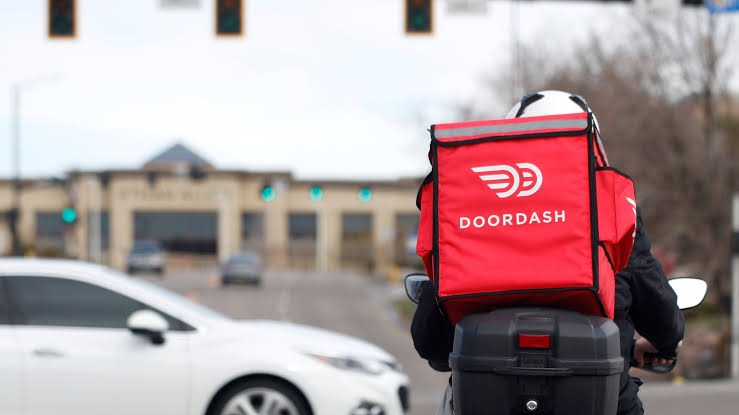
You can see a decent-looking hourly number and still come away disappointed once real expenses show up. Gas is not free. Tires are not free. Oil changes are not free. Brake pads are not free. The extra miles you put on your car are not some abstract future problem. They are your car quietly getting older every time you accept another order across town for someone who may or may not tip.
That is the part gig-work marketing tends to keep in very small print.
New York and Seattle, for example, can show stronger hourly earnings because those cities have higher wages and more delivery-worker protections. But they are also extremely expensive places to live. Making more per hour does not feel quite as impressive when rent, food, parking, insurance, and everything else are also chewing through your income. On the other side, a city like Nashville may cost less to live in, but the reported DoorDash pay can also be much lower.
So the real math is not just what DoorDash pays.
The real math is what you keep.
That means looking at your market, your vehicle, your fuel costs, your busiest hours, your average tips, and whether the work fits into your life without turning every spare moment into another shift. DoorDash can be useful, but it is still work. Sometimes boring work. Sometimes stressful work. Sometimes the kind of work where you spend 12 minutes hunting for Building C while the customer writes “leave at door” as if the door has revealed itself to you spiritually.
Still, for many people, the appeal is obvious.
A traditional second job can be a scheduling nightmare. DoorDash lets you squeeze in hours when you can. After work. On weekends. During a slow afternoon. When a bill is coming up. When your main job cuts hours. When you need a little cushion and do not want to commit to another boss, another uniform, or another weekly schedule you will regret by Tuesday.
That flexibility has real value.
It is also why more people are leaning on gig work. Many are not doing it because it is fun. They are doing it because one job does not always cover the life attached to it. Delivery work has become a kind of financial patch, something people use to cover gaps in wages, hours, savings, or emergencies.
That does not make it a bad option. It just makes it a very honest one.
Nobody should walk into DoorDash thinking it is easy money. Easy to start, yes. Easy to profit from consistently, not always. Some nights will be worth it. Others will feel like you drove around town just to break even and develop a personal grudge against apartment complexes.
There is also a bigger question hanging over the whole delivery world: how long will human drivers remain the center of it?
Apps and delivery companies are already playing with drones, sidewalk robots, e-bikes, automation, and anything else that might make delivery cheaper. That does not mean DoorDash drivers are disappearing tomorrow. But it does mean this is not exactly a secure long-term career path. It is a side hustle in an industry that is actively looking for ways to need fewer side hustlers.
That is not comforting, but it is worth knowing.
So how do you become a DoorDash driver?
You meet the age requirement in your state, sign up with DoorDash, have a working smartphone, provide your driver’s license and insurance if you are using a car, complete the required checks, and wait for approval. Once approved, you can start accepting deliveries in your area.
And what can you expect to earn?
Enough to be useful in the right market. Not enough to ignore the costs. Your city matters. Your timing matters. Your tips matter. Your vehicle matters. Your patience definitely matters.
DoorDash can be a solid side hustle if you go into it with clear eyes. It can help cover bills, build a little breathing room, or make use of spare hours that would otherwise not pay you anything.
Just do not confuse “I can start quickly” with “this will automatically be worth it.”
That is where a lot of people get disappointed.