
German Startup Added A Second Rotor To The Electric Motor: The Result Could Change Everything
by AutoExpert | 11 November, 2026
Electric motors have been doing their thing for almost 200 years. They spin, deliver power, and quietly get cars moving. Pretty straightforward, right? Well, a Munich startup called Deep Drive has looked at the traditional design and decided it could do with a rethink. Its solution is surprisingly bold: put two rotors in one motor and make better use of the space already available.
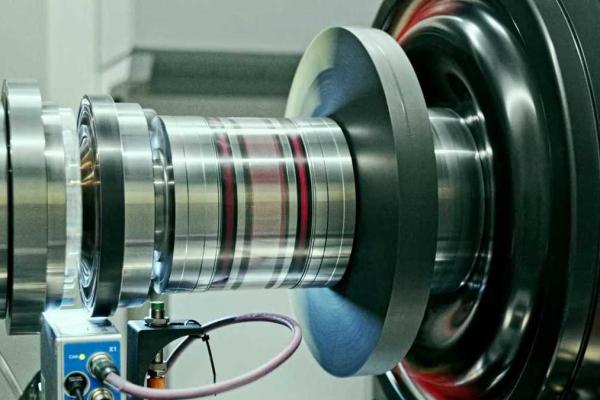
The concept is called a dual-rotor radial-flux motor. In a conventional electric motor, one rotor spins inside a stationary stator. Deep Drive adds another rotor around the stator's outer edge, allowing both sides to contribute to torque production.
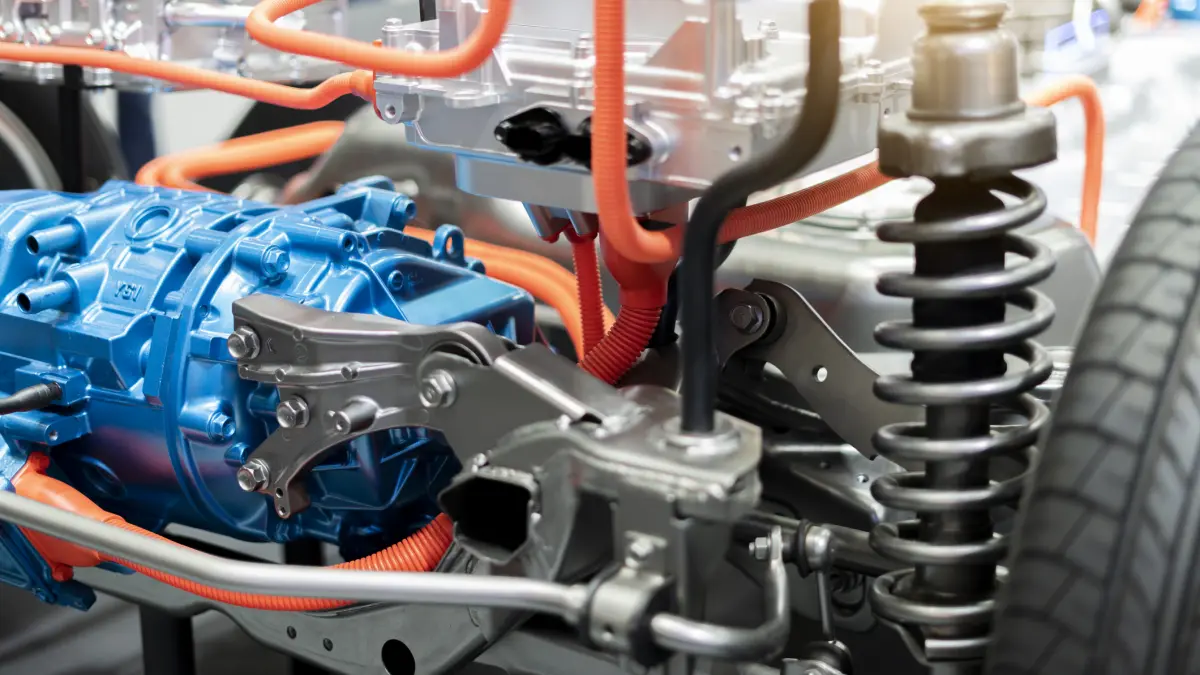
Here's where the design starts to make sense. Deep Drive says it doubles the motor's active surface area without increasing its overall volume. That could mean more torque from a unit that takes up roughly the same space as a traditional motor. For carmakers trying to squeeze more performance into increasingly crowded EV platforms, that's worth a closer look.
Getting two rotors to work inside such a compact structure brought some engineering headaches. Deep Drive developed a lattice-like support structure that reportedly increases the stator's load-bearing capacity by a factor of 100. The company also credits its unusual zigzag-shaped copper bars for helping achieve the performance gains.
From student race cars to major automakers
Deep Drive's story began with electric single-seaters built for Formula Student competitions. Just five years after launching, the startup says it has partnerships with eight of the world's ten largest automakers.
It has also attracted €49.3 million through investment vehicle Leitmotif, with backing from BMW, Volkswagen, and Continental. The next goal is getting its technology into mass-produced cars.
Hub motors are only part of the plan
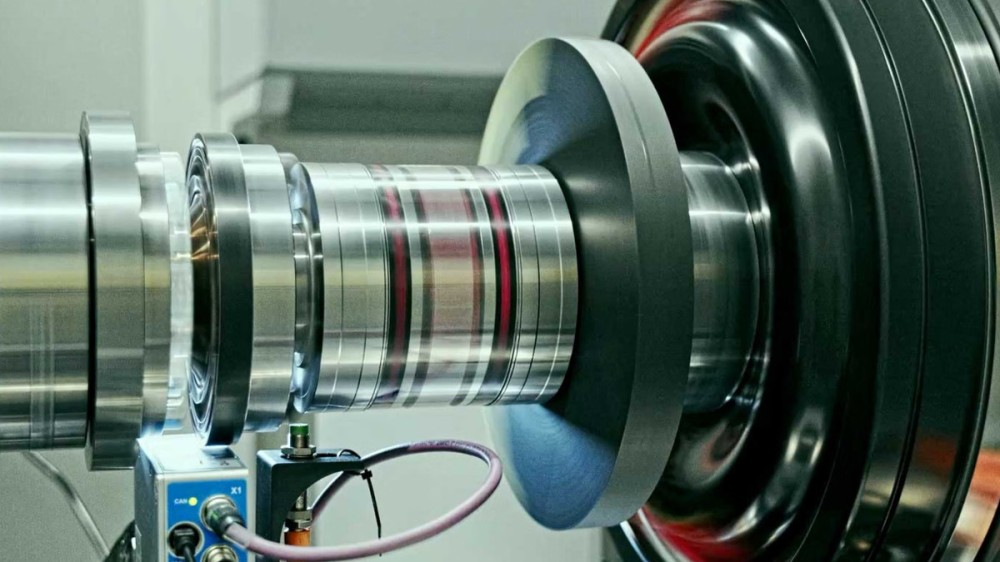
The dual-rotor design could work particularly well in hub motors, which sit inside the wheels and eliminate conventional transmission components. Deep Drive claims this setup could improve energy efficiency by up to 20%. However, its main target is the much larger market for motors mounted on vehicle axles.
That puts Deep Drive in a much tougher fight. Mercedes-Benz's Yasa division already develops axial-flux motors for high-performance models, including AMG cars. Deep Drive takes a different route with radial-flux technology, aiming to combine high power density with manufacturing costs suitable for everyday vehicles.
A second rotor might sound like a small change, but turning the idea into a reliable, affordable motor for millions of cars is the real challenge. Deep Drive has the industry's attention. Now it needs to deliver.