Before Buying Another Sun Shade, See If Your Car’s Visor Already Extends
by AutoExpert | 29 September, 2026
There is a particular stretch of road where the sun finds the narrow gap that your visor cannot quite cover. You swing the visor toward the side window, adjust it twice, and the light still lands squarely in your eyes.
Before looking for an attachment to clip onto it, try moving the visor once more.

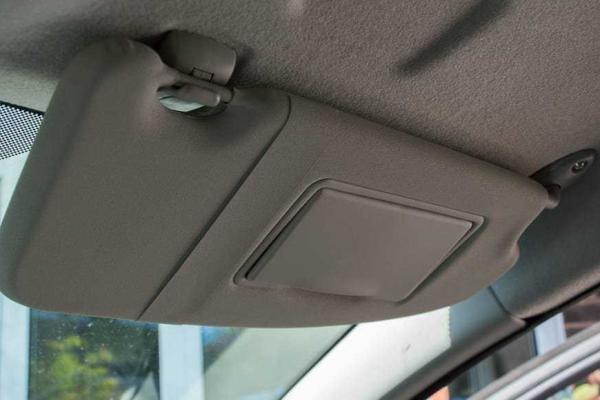
On some cars, the visor slides along its support after it has been turned toward the side window. Others have an extension that pulls out from the end. The feature varies by vehicle and equipment level, which helps explain why someone can own a car for years without knowing it is there. The 2020 Toyota RAV4 Hybrid manual, for instance, instructs drivers with the optional side extender to turn the visor sideways and slide it backward. A Honda CR-V Hybrid manual also describes a visor that extends horizontally.
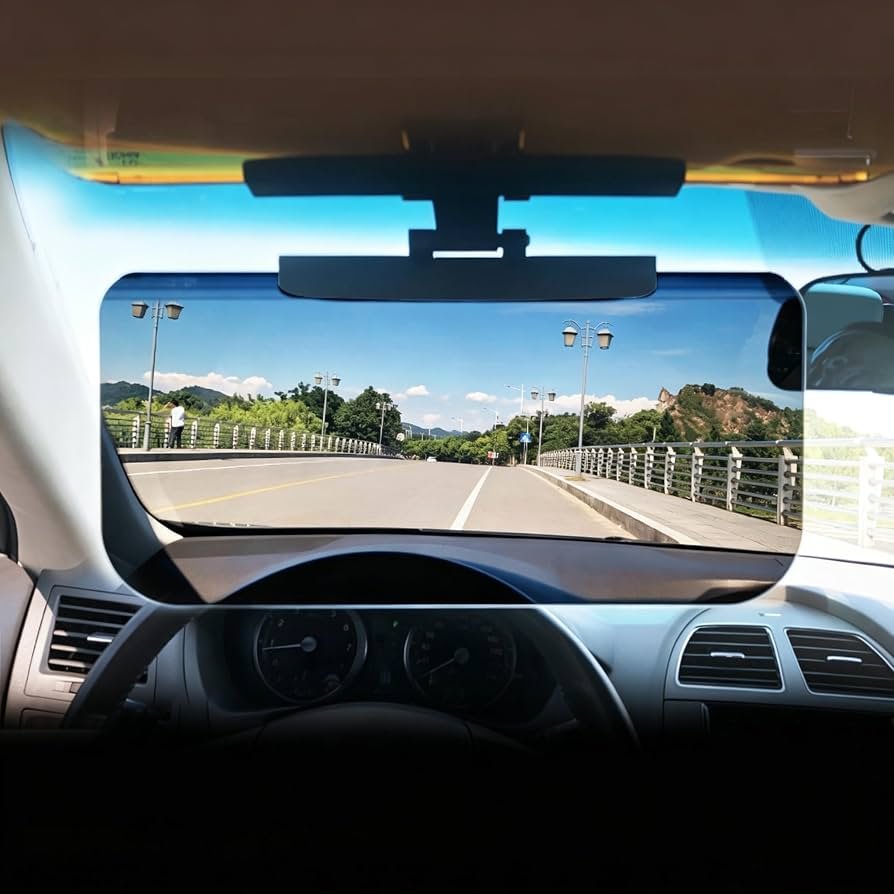
The difference can seem trivial until the sun is low enough to sit just behind your shoulder. A conventional visor covers the glass nearest the windshield, but turning it sideways does not necessarily move it far enough back. An extender helps close that gap while leaving the visor in its usual position above the window.
Check it while the car is parked. Swing the visor down, release its free end from the clip and turn it toward the side glass. Then look for a section that slides or a separate panel tucked into the visor. Move it gently. If nothing gives, consult the owner’s manual before pulling harder; your car may simply have a fixed visor.

The extender has limits. It will not cure glare coming through the windshield or make it sensible to continue driving when you cannot see clearly. AAA advises using the visor, allowing more space behind the vehicle ahead and keeping the windshield clean when low sun compromises visibility. Slowing down matters more than finding the perfect angle for a piece of interior trim.
Still, it is a pleasing discovery: one quiet little adjustment, built into a familiar object, exactly where it becomes useful.