
That Little Spoiler on the Original Audi TT Was Part of a Bigger Fix
by AutoExpert | 10 November, 2026
Audi added a rear spoiler to the original TT to address concerns about stability at high speeds. On affected U.S. cars, the spoiler was part of a remedy that also included suspension changes. A spoiler on the boot lid, by itself, can’t tell you whether that work was completed.
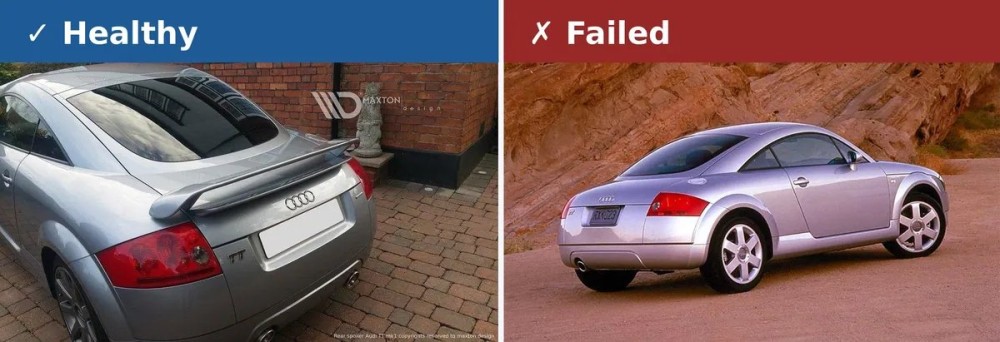
Park two early TTs side by side, one with the spoiler and one without it, and the difference is surprisingly easy to spot. The original tail is almost entirely rounded, as if the roof and rear bumper were drawn with the same sweep of a pencil. The little lip cuts across that curve. On another car it might disappear into the styling; on a Mk1 TT, you can see exactly where it was added.
The shape was a big part of the TT’s appeal. Audi used circles and arcs throughout the design, and the production coupé that arrived in 1998 retained much of the look of the 1995 concept. It was the kind of car you could recognize in silhouette.
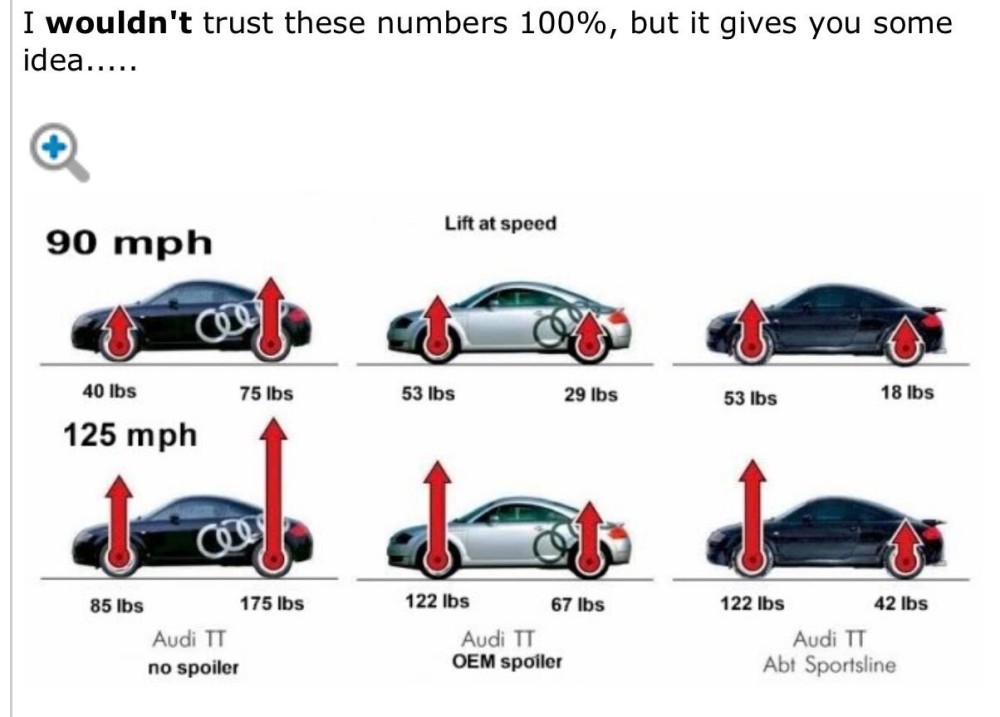
The spoiler had a job to do at speeds most owners would rarely see. As speed rises, airflow can create lift at the back of a car, reducing the load on the rear tires. A small spoiler can change how the air leaves the tail. Suspension changes address a different part of the problem: how the car responds as its weight shifts. Audi’s U.S. recall circular for affected 2000 model-year TTs identifies both changes, which is why the story is incomplete if you stop at the boot lid.
That distinction comes in handy when buying one. A replacement boot lid or an aftermarket spoiler can change what you see without telling you anything about the suspension. Ask for an invoice or dealer record showing which work was done. If the car has been imported, give Audi the VIN and ask about the campaign for its original market. The U.S. circular covers a defined group of cars; it isn’t a record of what happened to every TT worldwide.
A spoilerless TT makes an appealing photograph, especially if you like the original shape. If you’re considering buying one, take a photograph of the VIN while you’re there, with the seller’s permission. That’s the detail that will help you ask the right questions.